KATHMANDU: The ongoing conflict involving Iran is beginning to affect the global automotive industry, with rising oil prices, disrupted shipping routes, and production adjustments already being reported. Industry analysts say the situation is evolving from a geopolitical issue into a supply and logistics challenge for automakers worldwide.
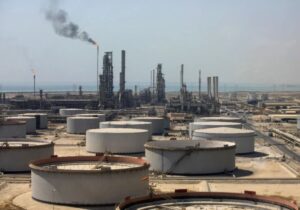
According to Reuters, global oil prices have surpassed $115 per barrel, raising concerns about higher manufacturing and transportation costs for the automotive sector. Fuel prices directly influence factory operations, shipping, and vehicle distribution across global markets.
Toyota adjusts production
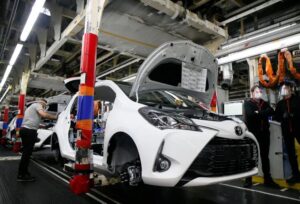
Reuters also reported that Toyota has decided to reduce production of vehicles destined for Middle Eastern markets by tens of thousands of units in the coming months. The move reflects growing uncertainty over logistics and regional demand.
Production adjustments from large manufacturers can quickly affect the wider supplier network, particularly companies that rely on just-in-time parts delivery systems.
Middle East remains key market
The Middle East continues to be an important vehicle market. Around 3 million new cars were sold in the region in 2025, according to Bernstein Research.
The research firm noted that Asian automakers dominate the Middle East automotive market. Toyota holds the largest share at 17 percent, followed by Hyundai with around 10 percent and China’s Chery with about 5 percent of regional sales. Among European manufacturers, Stellantis has the greatest exposure to the Middle East market.

Luxury automaker Ferrari also maintains a niche presence. Bernstein Research said the company shipped 626 vehicles to the Middle East in 2025, representing 4.6% of its global deliveries. Major markets include the United Arab Emirates, Saudi Arabia, Bahrain, Lebanon, Qatar, Oman, and Kuwait.
Shipping risks around the Strait of Hormuz
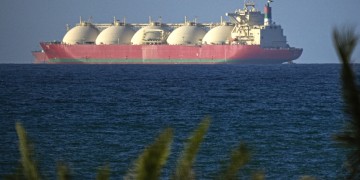
A major concern for the automotive supply chain is the Strait of Hormuz, a key global oil and shipping route. Any disruption in this corridor can quickly affect fuel prices and maritime logistics, which are essential for global vehicle production and delivery.
Shipping insurers have reportedly increased premiums, while logistics companies are facing longer transit times and higher security costs.

Supply chain pressure could spread to Europe
A March 2026 report from S&P Global Mobility warns that the duration of the conflict will determine the scale of its impact on the auto industry.
The report identified several key risk scenarios for the automotive industry. In the short term, the conflict could trigger immediate supply chain disruptions, including rising insurance and logistics costs and risks to Asia-sourced components used in European vehicle production.
These challenges could lead to supply delays similar to those experienced during the COVID-19 pandemic.

If disruptions last between four and twelve months, production risks could spread to Turkey, which is a major manufacturing hub for the industry. Any interruption to Turkey’s light commercial vehicle production could significantly affect European markets.
In the longer term, sustained high fuel prices could push more consumers towards hybrid and electric vehicles, while automakers may prioritize higher-margin models to protect profitability.
Limited impact from Iran’s domestic production
Iran produced around 1.1 million vehicles in 2025, mainly for domestic use. While its production volume is relatively small in global terms, analysts note that the country’s strategic importance comes from its location near major oil routes and global shipping lanes.
Industry observers say the coming months will determine whether the conflict remains a short-term disruption or develops into a longer-term challenge for global automotive supply chains.