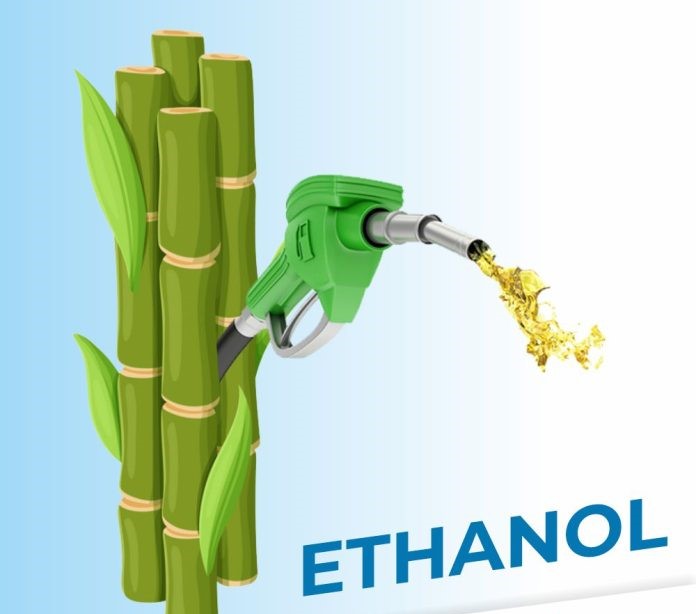
KATHMANDU: Nepal is preparing to introduce a 10 percent ethanol blend in petrol after the Cabinet approved the ‘Ethanol Blending Order 2082’. The government is expected to publish the order in the Gazette soon and begin implementation.
Industry, Commerce and Supplies Minister Anil Kumar Sinha announced the development during a program organized by the Nepal Economic Journalists Society (SEJON). He said studies on ethanol blending have been ongoing for nearly two decades and the policy has now entered the execution phase.
The government estimates that blending 10 percent ethanol with petrol could reduce annual fuel imports by about 130 million liters. Officials say the move could save nearly Rs 6 billion in foreign currency each year.
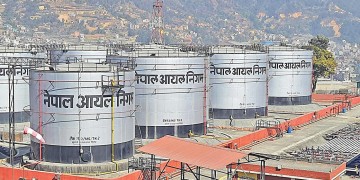
Under the new framework, the Nepal Oil Corporation will be the sole purchaser of domestically produced ethanol. Pricing will be determined by a government-led committee and approved by the Cabinet. The policy also defines responsibilities for raw material suppliers, ethanol producers and quality monitoring bodies.
Ethanol production will rely on locally available feedstock such as molasses from sugar mills, Napier grass, agricultural and forest biomass waste, paddy straw, maize stalks, wheat husks and silk cotton tree roots. Food grains will not be used in order to protect food security.

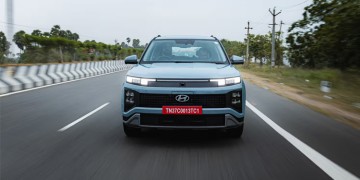
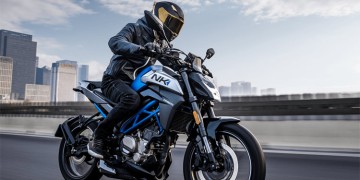
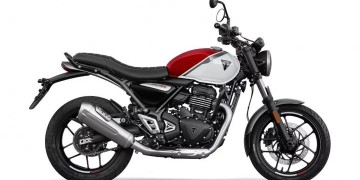
Officials state that a 10 percent ethanol blend, known as E10, will not negatively affect vehicle engines. Ethanol’s higher octane rating may support better combustion while also helping reduce carbon emissions and improve urban air quality.
Consumer groups have called for strict quality monitoring. They say ethanol purity must remain above 99.5 percent and blending standards should be consistently enforced.
The sugar industry has welcomed the policy but raised concerns about operational details. These include ethanol purity standards, procurement volumes, seasonal pricing, payment mechanisms and delivery terms.
Nepal currently has 12 sugar mills that could collectively produce up to 360,000 liters of ethanol per day. This would meet around 3 percent of petrol demand. Achieving the full 10 percent blend will require additional investment in distillery infrastructure.
Officials say the transition should be technically seamless for motorists. However, effective implementation will depend on clear procedures, reliable supply chains and consistent fuel quality.