KATHMANDU: The same question comes up almost everywhere you go with an EV: “Is it the right time to buy one?” The answer isn’t simple. But based on what we understand, it’s safe to say the time has come.
Still, some challenges remain, and it’s important to consider them yourself. We’ll highlight a few, like road conditions, service networks, and choosing the right brand.
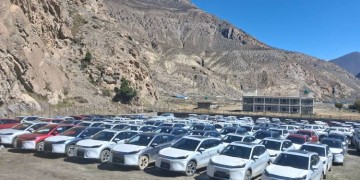
Electric vehicles, especially in the car and light commercial segments (like passenger microbuses), are gaining strong traction in Nepal. EVs now account for nearly 70% of car sales and around 90% in the microbus segment.
However, the situation isn’t as promising in two-wheelers, large buses, and trucks. That’s the story in Nepal. Globally as well, EVs are experiencing rapid growth. In 2024, EVs made up 20% of all new car sales worldwide. By the end of 2025, this is expected to reach 25%.
According to the International Energy Agency (IEA), in the next five years, by 2030, sales of electric vehicles (excluding motorcycles and rickshaws) will reach 250 million units. That means the debate over whether to buy an EV, or when to buy one, may no longer be needed.
McKinsey estimates that by 2030, annual EV car sales could hit 40 million units, six times higher than the 6.5 million sold in 2021.
In China, the world’s largest auto market, 80% of new car sales will be EVs within five years. The figure will be around 60% in Europe and 20% in the United States.
India, however, is expected to lag behind. McKinsey projects EVs will make up just 15% of new car sales in India by 2030. But based on the pace of current EV sales there, the market share could exceed expectations.
Why now could be the best time to buy an EV in Nepal
The government is actively promoting EV adoption. It supports charging infrastructure and encourages private investments in charging stations. As a result, EVs are significantly more affordable than petrol cars.
Falling global battery prices have also helped reduce EV costs. The growing use of EVs in the taxi sector shows their practical benefits. Vehicles once expensive to produce are now available at budget-friendly prices.
EVs also offer modern features that were traditionally available only in premium cars. Now, these features are easily accessible. Battery technology has also improved significantly, and companies continue to innovate in this space.
Key challenges to consider before buying an EV
EV adoption in countries like Nepal won’t happen overnight. As technology evolves and better infrastructure develops, EVs may eventually become the default choice.
However, if your travel involves extensive off-road driving or you lack access to charging facilities, choosing an EV right now may not be practical. In such cases, traditional petrol-powered vehicles are still the better option.