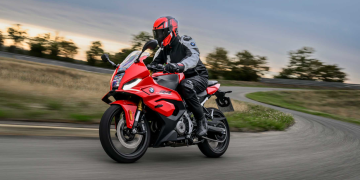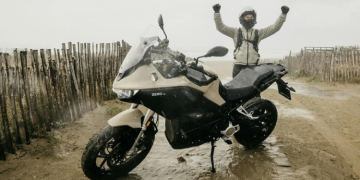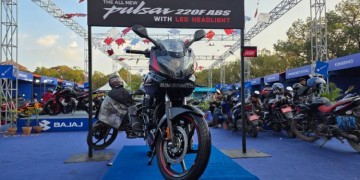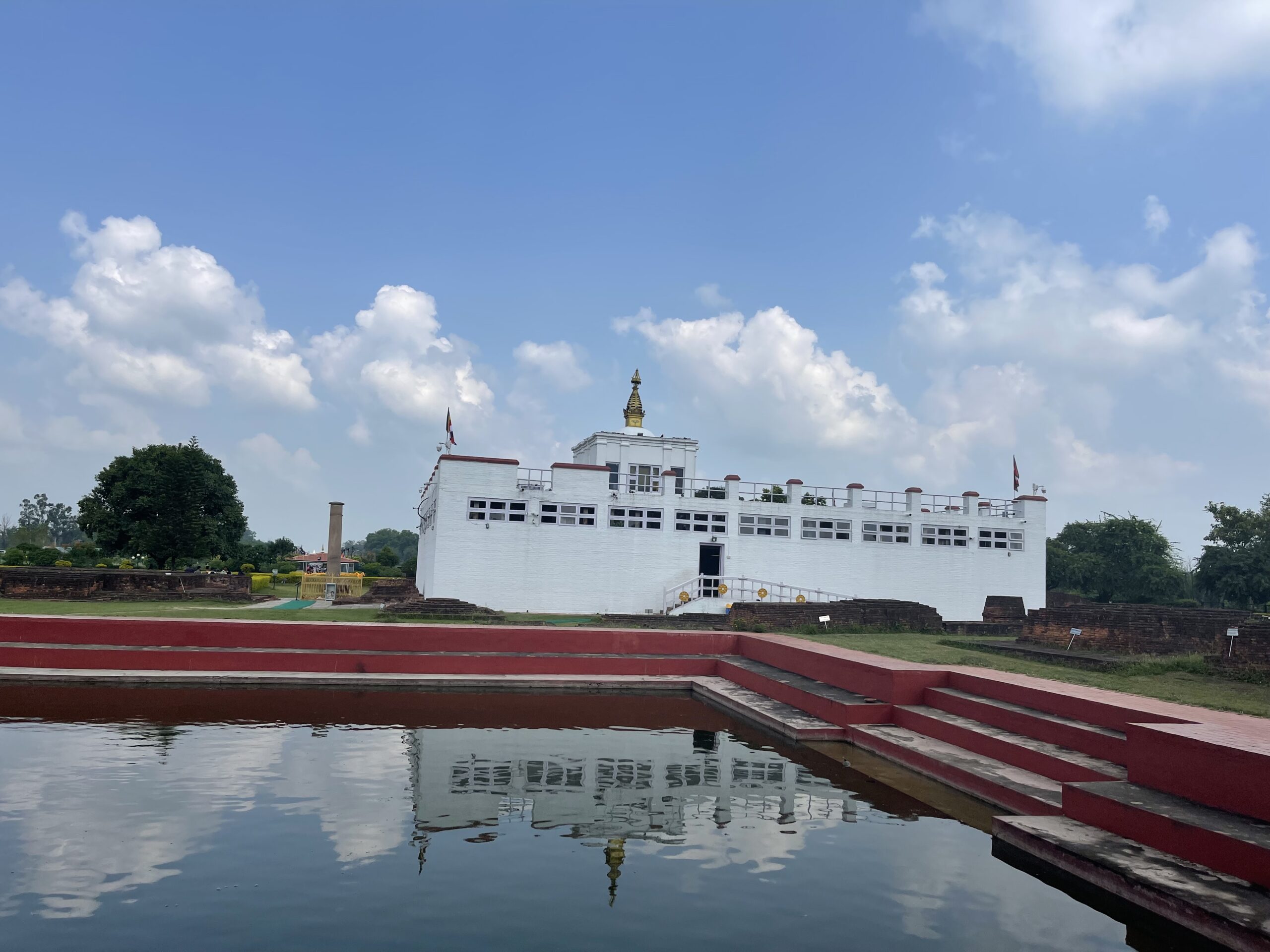
The eighth chapter of the Ride Nepal Series takes riders to Lumbini, the birthplace of Lord Buddha and one of Nepal’s most important spiritual destinations. Located in the Terai plains of southern Nepal, Lumbini is a UNESCO World Heritage Site known for its calm atmosphere, historical significance, and sacred monuments.
According to historical records, Lord Buddha was born here in 623 BC, a fact confirmed by the inscription on the Ashoka Pillar erected by the Mauryan Emperor Ashoka in 249 BC.
Unlike high-altitude Himalayan routes, the Lumbini ride offers a very different experience, defined by flat terrain, warmer climate, and cultural exploration.
Lumbini is one of the most accessible destinations in the Ride Nepal Series. Most riders entering Nepal from India use the Sunauli border in Uttar Pradesh. From Sunauli, the ride to Lumbini is short and straightforward, covering around 30 km via Taulihawa Road, passing Buddha Chowk and Gautam Buddha International Airport before reaching the sacred zone.
Riders starting from Kathmandu follow the Prithvi Highway, descending towards Muglin before continuing through forested sections to Butwal. From Butwal, the route enters the Terai plains and leads directly to Lumbini.
The road conditions along this stretch are mostly smooth, making it suitable for a wide range of motorcycles. Riders from western Nepal typically use the East-West Highway, while those starting from Dhangadi ride via Chisapani – Kohalpur – Lamahi – Tilaurakot, covering a distance of about 393 km.
The ride distance varies depending on the starting point. From Sunauli, the journey is around 30 km and can be comfortably completed within a day. Riders from Kathmandu cover approximately 285 km, usually planning a 3 to 4-day trip, while those starting from Dhangadi travel around 393 km over a similar 3 to 4-day timeframe.
Riding conditions range from moderate to extreme, depending on traffic, heat, and highway riding fatigue rather than technical terrain.
Unlike remote mountain routes, accommodation in Lumbini is widely available. Riders can find basic hotels offering in-room bathrooms, running water, and Wi-Fi facilities.
For those seeking more comfort, several resorts and branded hotels operate in the area, including a few high-end options located close to the birthplace of Lord Buddha. Fuel stations, food outlets, and repair services are also easily accessible along all major approach routes.
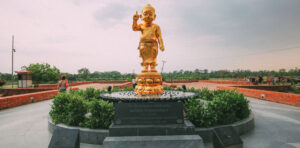
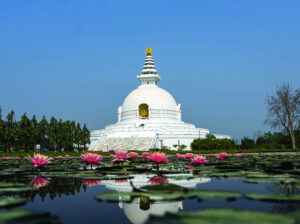
The Lumbini ride is rich in cultural and historical landmarks. Major attractions include the Maya Devi Temple, Ashoka Pillar, Puskarni Pond, Sacred Garden, World Peace Pagoda, and nearby archaeological sites such as Tilaurakot, Gotihawa, Aroarakot, and Devdaha.
These sites offer riders the opportunity to explore the early history of Buddhism while experiencing a peaceful riding environment far removed from Nepal’s rugged mountain trails.
Entry to the Lumbini area requires a modest fee, with SAARC nation visitors currently charged Rs 100. Riders are advised to check updated entry regulations before arrival, especially during peak tourist seasons or special religious events.
The Lumbini ride is not about technical challenges or extreme endurance. Instead, it is a culturally immersive journey that combines smooth highways, accessible terrain, and deep historical significance.
Shrestha is a tourism expert.