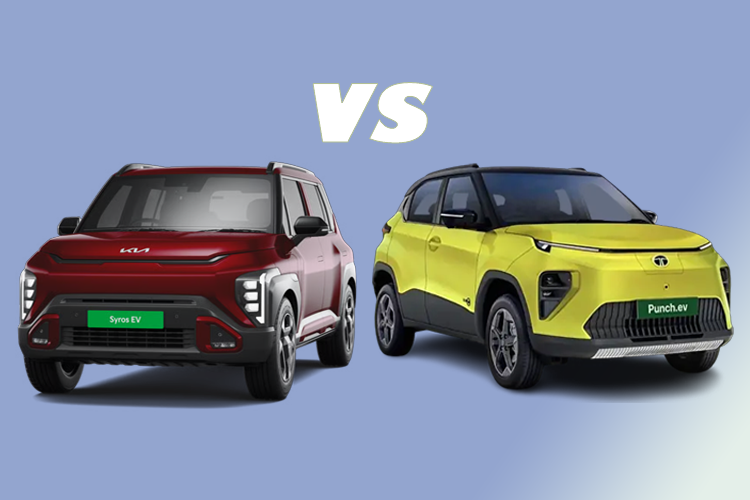
KATHMANDU: Competition in Nepal’s electric vehicle market is set to intensify as Tata and Kia target buyers looking for India-made electric SUVs. The Tata Punch EV facelift is already on sale, while the Kia Syros EV has been introduced for the Nepali market with bookings open.
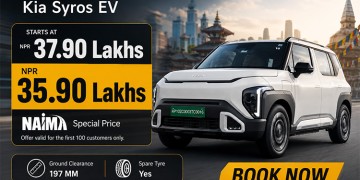
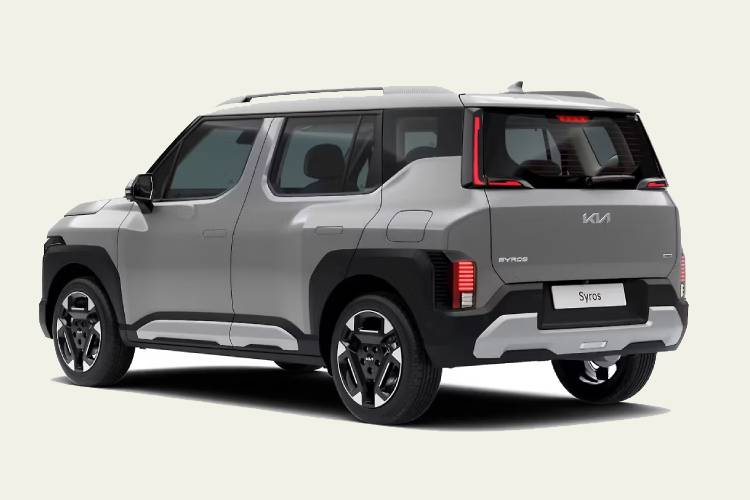
Continental Trading, Kia’s authorized distributor in Nepal, has set the Syros EV’s price at Rs 3.79 million. The company had announced an introductory price of Rs 3.59 million for the first 100 units, with deliveries expected before Dashain.
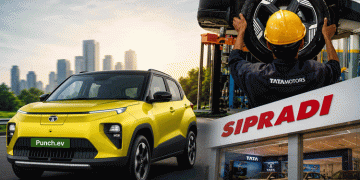
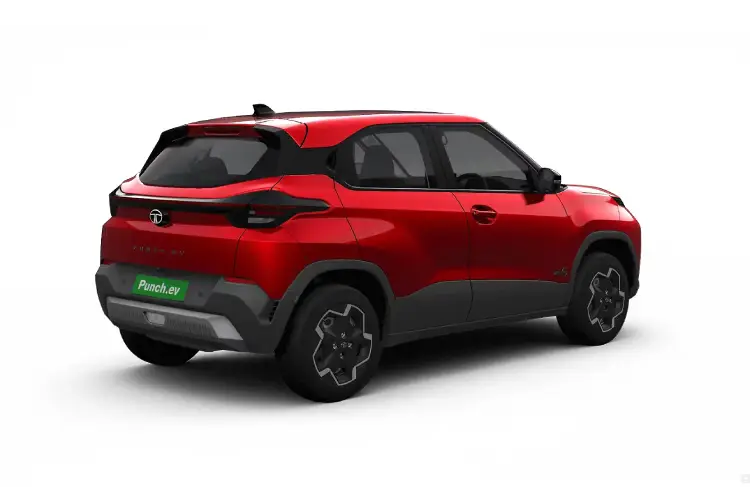
Meanwhile, Sipradi Trading, Tata’s authorized distributor, launched the Punch EV facelift at prices ranging from Rs 3.399 million to Rs 3.799 million. Deliveries began in early September, and the model has continued to attract buyers.
However, Kia has yet to import the Syros EV into Nepal, leaving some customers who expected delivery before Dashain waiting for their vehicles.
Both models offer modern features, compact dimensions and practical everyday usability. But choosing between them involves more than comparing prices and equipment. Battery capacity, driving range, charging capability, after-sales service and spare-parts availability also matter.

Battery and driving range
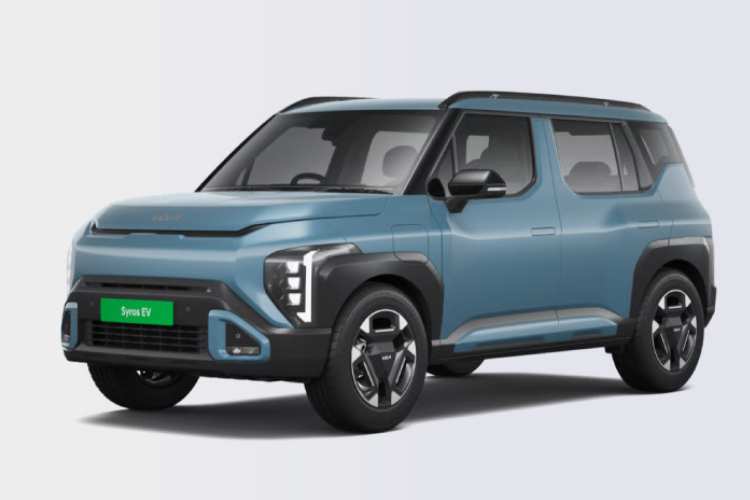
The Kia Syros EV is expected to arrive with a 42 kWh battery. The Tata Punch EV facelift is available with 30 kWh and 40 kWh battery options.
Compared with the 40 kWh Punch EV, the Syros EV could offer a slightly longer driving range. Both models are expected to deliver around 280-320 km under certain driving conditions, although actual range will vary depending on weather, driving style and road conditions.
Power and performance
The 42 kWh version of the Kia Syros EV produces 171 PS. The 40 kWh Tata Punch EV facelift delivers 129 PS. On paper, the Syros EV has an advantage in power output. However, motor power alone does not determine driving performance. Vehicle weight, torque, acceleration, suspension and road conditions also influence the overall driving experience.
Charging capability
The Kia Syros EV supports DC fast charging at up to 100 kW. According to the company, the battery can charge from 10% to 80% in around 39 minutes.
The Tata Punch EV facelift supports DC fast charging at up to 65 kW. Tata claims that a 15-minute charge can add up to 135 km of driving range. Charging times and range added will depend on the charger, battery temperature and other conditions.
Cabin and features
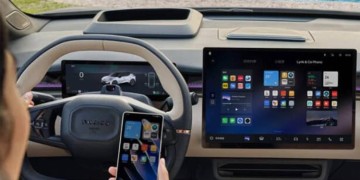
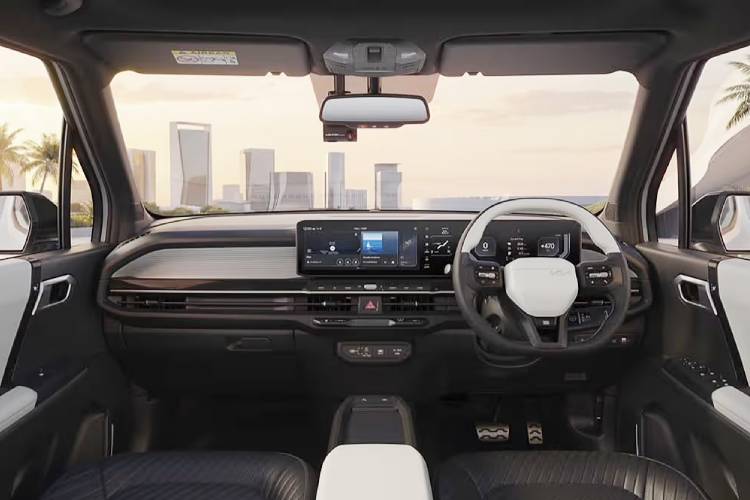
The Kia Syros EV features a 12.3-inch touchscreen and a 12.3-inch digital instrument display. Other features include wireless Android Auto and Apple CarPlay, rear AC vents, an electronic parking brake and paddle shifters for regenerative braking.
The Tata Punch EV facelift comes with a 10.25-inch infotainment screen and a 10.25-inch digital driver display. Depending on the variant, it also offers wireless charging, ventilated seats, ambient lighting, connected-car technology and a 360-degree camera.
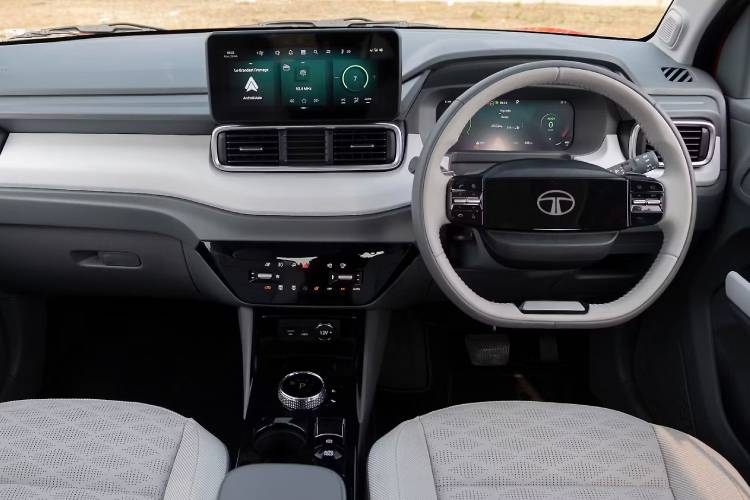
The Punch EV’s top-spec variant is priced close to the Syros EV’s entry-level version. Buyers should therefore compare the equipment available in the specific variants being offered in Nepal before making a decision.
Both models offer electronic safety systems and airbags, although the exact equipment may vary by variant.
Ground clearance
Ground clearance is an important consideration for Nepali roads, where potholes and speed breakers are common. The Kia Syros EV is reported to have 197 mm of ground clearance, while the Tata Punch EV has a claimed unloaded ground clearance of 195 mm in its Indian technical specifications.
The difference is small, putting both models at a similar level for handling common urban road obstacles.
After-sales service
After-sales support is another important factor when buying an electric vehicle. Access to trained technicians, spare parts and battery-related repairs can affect ownership costs and the time a vehicle spends in the workshop.
The Tata Punch EV benefits from Sipradi Trading’s established sales and service network in Nepal. The company has a long history of handling Tata vehicles and supplying service and spare parts.
Kia also has an authorized sales and service network through Continental Trading. However, the availability and turnaround time of EV-specific repairs and spare parts remain important considerations for buyers. Prospective customers should confirm the service arrangements and warranty coverage before purchasing.
Which one is the better buy?
The Tata Punch EV facelift is a strong option for buyers seeking a relatively affordable electric SUV, practical features and an established service network. Its range of battery options also gives buyers more flexibility.
The Kia Syros EV may appeal to those who prioritize higher power output, a larger display setup and a different cabin experience. Its final value will depend on the equipment offered in Nepal, actual driving range and the availability of deliveries and after-sales support.
For buyers making a decision now, the Punch EV has the advantage of being available in the market. Those interested in the Syros EV should confirm its delivery timeline and variant-specific features with the distributor before booking.