KATHMANDU: Trade tensions under U.S. President Donald Trump dominated the global automotive industry in 2025, making tariffs and trade policy the year’s most influential auto story.
The U.S. administration imposed steep tariffs, including a 25 percent duty on imported vehicles and higher taxes on auto parts, steel, and aluminum. These measures directly affected major trading partners such as Canada, Mexico, China, and Japan.
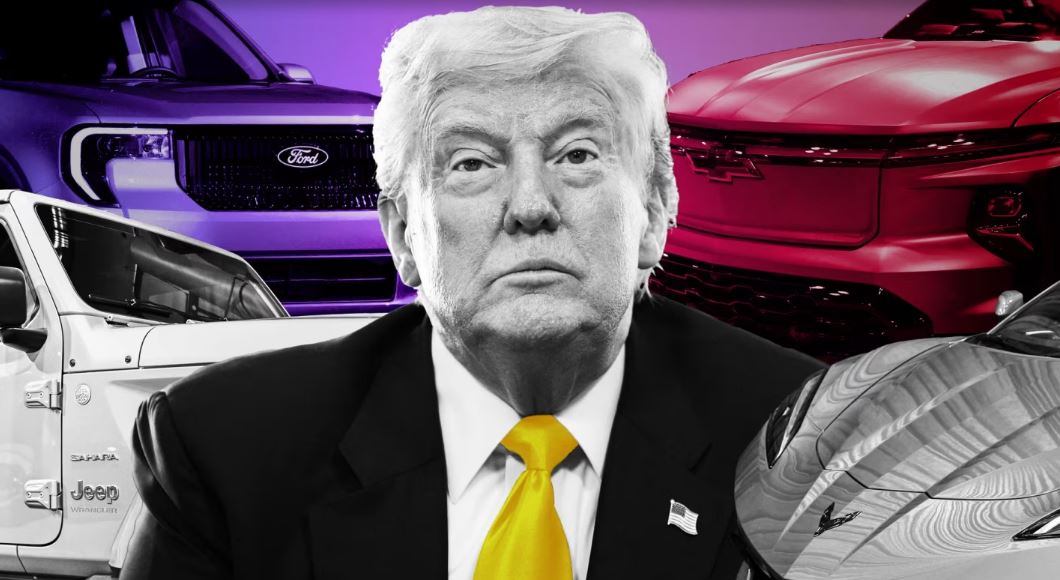
The tariffs disrupted global supply chains and increased production costs. Automakers including GM, Ford, and Stellantis announced new U.S. investments but also warned of profit pressure, higher vehicle prices, and production adjustments.
Trade uncertainty slowed vehicle imports at U.S. ports and pushed manufacturers to localize production and rethink sourcing strategies. Some trade deals, including a later agreement with Japan to reduce auto tariffs, eased pressure but did not fully reverse the impact.
Industry analysts and Automotive News ranked Trump’s tariffs and trade strategy as the number one automotive story of 2025, citing their broad effect on pricing, sales forecasts, investment plans, and global trade relations.