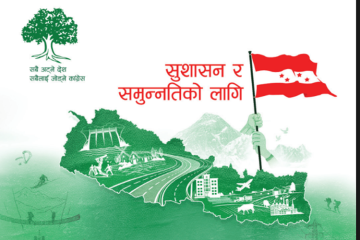
KATHMANDU: The Rastriya Swatantra Party (RSP) has unveiled its election manifesto for the upcoming House of Representatives election scheduled for March 5.
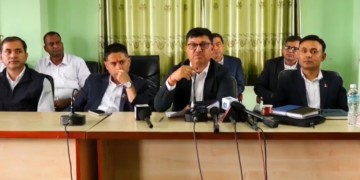
The manifesto was jointly made public in Surkhet, the capital of Karnali Province, by party president Rabi Lamichhane, senior leader Balen Shah, and other party leaders.
RSP has prioritized economic reform, employment generation, healthcare, education, and governance improvement in its agenda. The party has emphasized expanding the middle class, creating jobs, implementing effective health insurance, depoliticizing state institutions, strengthening meritocracy in the justice system, and digitizing government services.
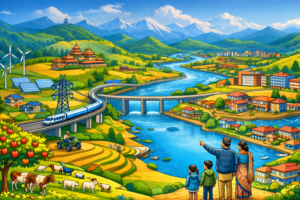
On the economic front, RSP has set ambitious targets including achieving 7 percent annual economic growth, raising per capita income to USD 3,000, expanding the economy to USD 100 billion within seven years, and graduating Nepal into a middle-income country within 10 years.
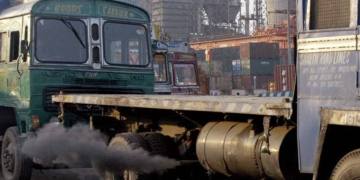
In the transport and infrastructure sector, the party has focused on improving service quality, upgrading roads, reforming aviation, and introducing a long-term railway master plan. It has also proposed tax incentives for electric buses, eliminating syndicates in the transport sector, and adopting AI-based traffic management systems.
RSP outlines key transport and infrastructure agendas in election manifesto
- RSP has pledged to completely abolish syndicate and cartel practices in long-distance bus services to promote healthy competition and ensure safe, quality transport.
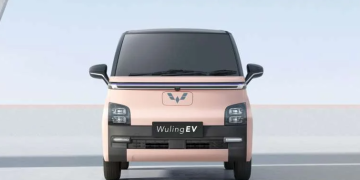
In major cities, municipal bus services will be managed under a single authority with a centralized ticketing and fare distribution system. Customs duty incentives will be provided to promote electric bus usage. A long-term public transport master plan will be prepared for Kathmandu Valley and key Terai corridors.
- All public vehicles will be equipped with GPS tracking. AI-based traffic cameras, digital fine systems, and strict enforcement of speed and lane discipline will be introduced, with a target to significantly reduce accident rates within the first year.
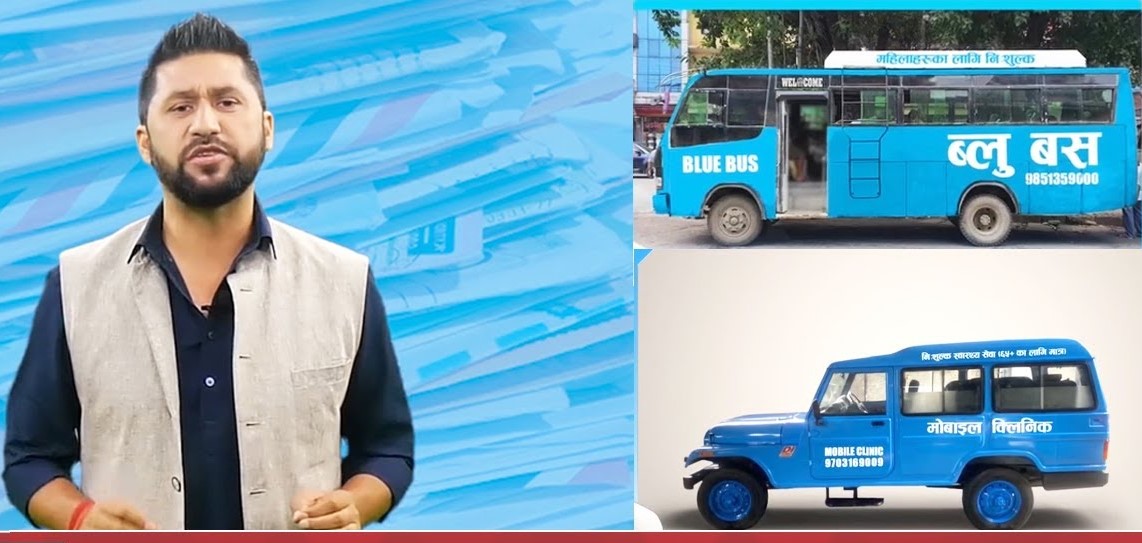
To address safety concerns for women and teenage girls, the successful “Blue Bus” model implemented in Chitwan will be expanded to other cities. The party has also committed to improving pedestrian infrastructure for safer walking and road crossing.
- RSP has proposed a 50-year railway expansion master plan based on detailed feasibility studies. The Mechi-Mahakali electric railway will serve as the backbone for passenger and cargo transport.
Branch lines will connect major cities such as Pokhara, Kathmandu, Dang, Surkhet, and key Terai cities, linking Nepal with rail networks in China and India. Mid-term plans include electric buses in cities, followed by tram and light rail systems integrated into long-distance railway networks.
Legal complications related to land compensation will be addressed, necessary manpower will be developed, and under-construction railway projects will be expedited.
- Engineering standards and procurement processes will be reformed to expand the national highway network. The party has emphasized all-weather connectivity and improved access to markets and services.
To reduce accidents, measures such as speed control, stronger safety barriers, separate lanes, and pedestrian protection will be prioritized. New bypass roads will be constructed around highway towns such as Damak, Itahari, Lahan, Hetauda, Bharatpur, Butwal, Kohalpur, and Attariya to reduce congestion, pollution, and accident risks.
- RSP plans to separate regulatory and service functions within the Civil Aviation Authority of Nepal. An international aviation safety audit will be conducted to remove Nepal from international blacklists.
Nepal Airlines will be restructured by eliminating political interference. A professional management team selected through open competition will take over operations. The government will retain 51 percent ownership while inviting private sector participation and eventually listing the airline on the stock market.
Fleet expansion will proceed through transparent aircraft leasing, followed by aircraft purchases based on market demand.
- Pokhara and Bhairahawa international airports will be fully operationalized through improved international marketing and revised fee structures. Diplomatic efforts will be made with India regarding entry-exit routes and ILS operations.
The design of the proposed new international terminal at Tribhuvan International Airport will be revised and fast-tracked for construction. A new international airport project, either in Nijgadh or an alternative location, will be developed based on long-term market studies or connected to major cities via road and rail.
- The party aims to eliminate lengthy bureaucratic approval systems and introduce time-bound decision-making. If decisions are not made within a set timeframe, files will be automatically approved or responsible officials held accountable.
Government decisions and approvals will be digitized through official online platforms. Digital signatures will be made legally mandatory. Services such as birth registration, social security, driver’s licenses, and business registration will be streamlined and made transparent.
- To ensure a sustainable balance between infrastructure development and environmental protection, RSP will simplify complex procedures related to environmental impact assessments, land acquisition, tree-cutting approvals, and construction in protected areas.