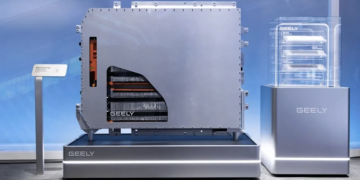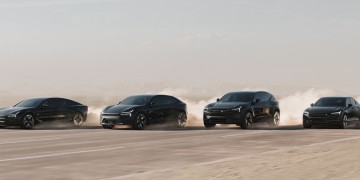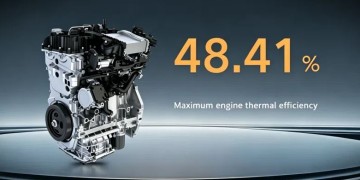
KATHMANDU: Geely has reinforced its focus on methanol-powered vehicles. Chairman Li Shufu said lithium battery EVs are too heavy for future transport needs.
Speaking at the China Smart EV Development Forum 2026, Li said lithium EVs can weigh up to twice as much as methanol vehicles. He linked higher weight to increased energy consumption, especially in heavy-duty use.
He said methanol offers much higher energy density than lithium batteries. According to him, it can be more than ten times higher. This allows similar performance with lower vehicle weight.
Methanol vehicles use methanol as fuel in pure form (M100) or blended with gasoline such as M85 or M15. These vehicles run on modified or flexible fuel engines.
Methanol burns cleaner than gasoline. It helps reduce emissions like carbon monoxide and hydrocarbons. However, some pollutants such as formaldehyde may increase at higher blends.
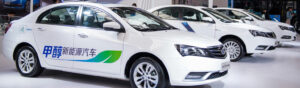
Methanol can reduce dependence on petroleum. It is mainly produced from natural gas, but can also be made from coal, biomass, or captured carbon dioxide. When produced from renewable sources, it is called green methanol and offers lower overall emissions.
China is currently leading methanol vehicle adoption. The country is using different blends to improve energy security and reduce emissions.
Geely has been developing methanol technology for over two decades. China started pilot programs in 2012, followed by policy expansion.
At present, 39 cities across China have introduced more than 80 policies supporting methanol vehicles.
Geely is applying the technology in production models. A methanol plug-in hybrid version of the Galaxy Starshine 6 sedan has been revealed.
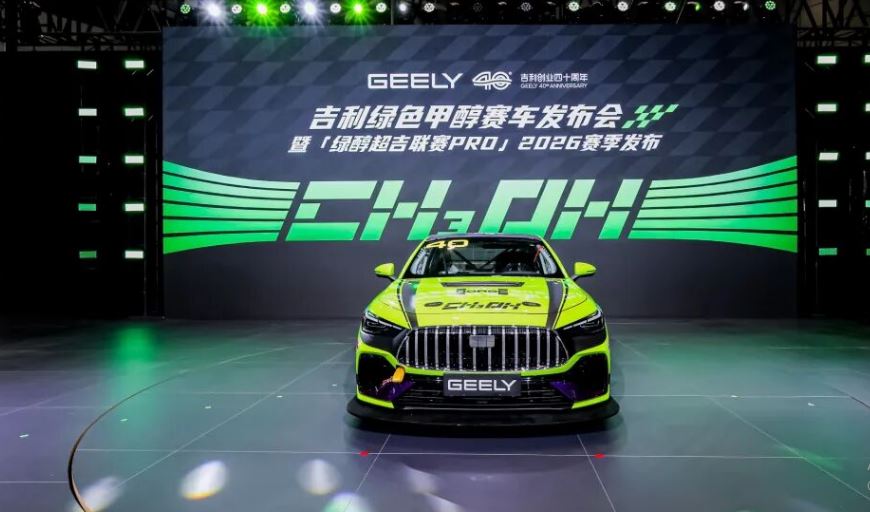
The company is also testing methanol in motorsport to validate performance.
Geely sees methanol as a key solution for commercial and heavy transport. The focus is on lower weight, better efficiency, and reduced lifecycle emissions.
The company is also expanding exports. It shipped over 200,000 vehicles in Q1 2026, up 126% year-on-year. The full-year export target has been increased to 750,000 units.