KATHMANDU: The new government is set to present the national budget in around 40 days. If the budget brings clear reforms for the automobile sector, it can benefit consumers, businesses, and the government.
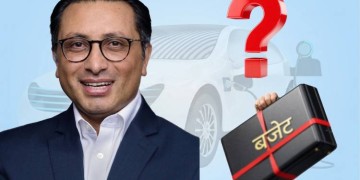
Nepal has long imposed high taxes on petrol and diesel vehicles. Finance Minister Dr. Swarnim Wagle had earlier said vehicle tax rates need review.
The upcoming budget is under pressure to deliver strong economic signals. The auto sector can play a major role in boosting business activity and revenue.
Here are four major areas the new budget should address.
Revise vehicle tax structure
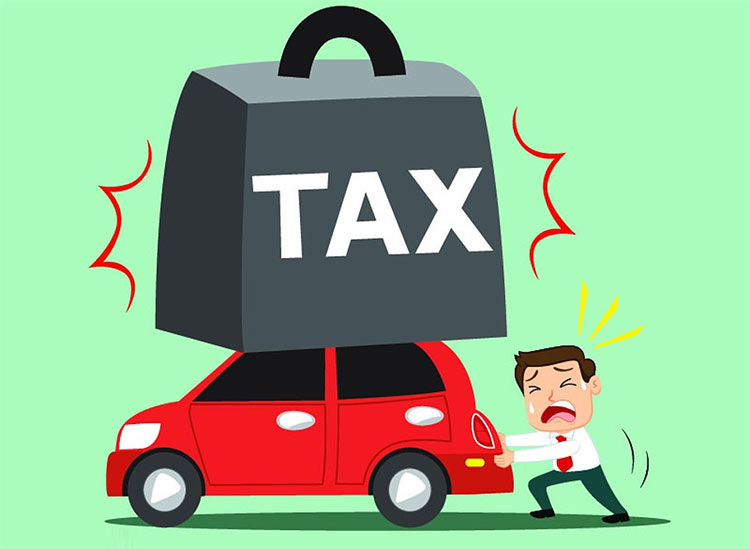
Petrol and diesel vehicles currently face high customs duty, excise duty, road tax, and VAT.
Industry voices have long said excise rates are too high. If the government reduces excise duty, vehicle sales may grow and revenue could also improve through higher volume.
Tax rates on electric cars should remain stable. EV adoption is increasing, and policy continuity will support further growth.
Hybrid vehicles, especially plug-in hybrids, can also suit Nepal. Special incentives for hybrids would be useful.
Support assembly plants with clear conditions
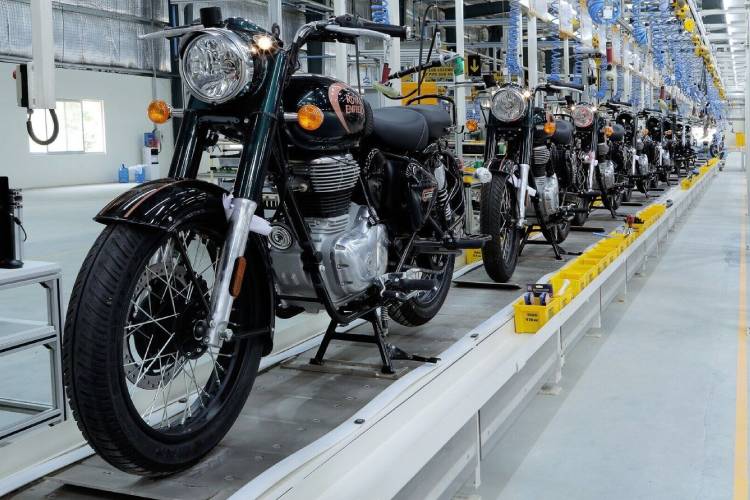
The government should offer special support to vehicle assembly plants under clear rules.
Assembly units without value addition do not create enough jobs or local production. A long-term 10-year policy can attract investment and help the sector grow faster.
Solve EV battery management issues
The number of EVs is rising quickly in Nepal. This means battery disposal and recycling will become a bigger issue. Used high-voltage batteries are currently managed by distributors, but sending them back to manufacturers is not easy.
The government should study whether battery recycling is possible inside Nepal. If possible, it should create a clear working model.
New strategy for charging infrastructure
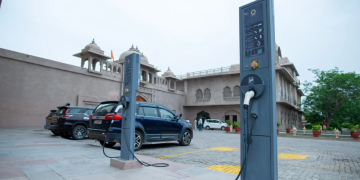
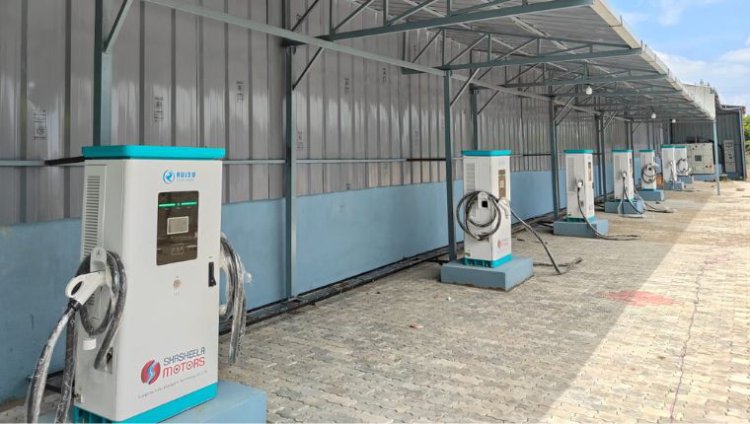
Nepal now has a growing EV charging network. As EV numbers rise, more chargers will be needed. Private companies have invested heavily, but current electricity pricing gives limited returns.
The government should create a separate power tariff for charging stations. It should also allow operators a proper margin. Support for mega charging hubs could bring more private investment.