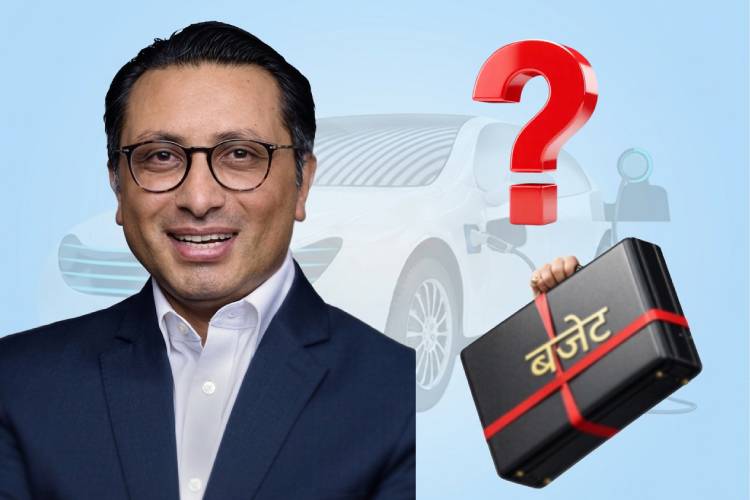
KATHMANDU: The upcoming national budget has increased uncertainty as well as expectations in Nepal’s automobile sector. Consumers and businesses are both waiting to see how the government will revise taxes and policies for vehicles.
Last Sunday morning, a potential car buyer called asking whether it was the right time to buy a new vehicle before the budget announcement or wait until later.
The caller said he was planning to buy a new car but was confused about possible tax changes. In response, I told him that even people closely connected to the automobile sector were uncertain this time.
After a short conversation, I advised him to make a decision based on his immediate need. If the vehicle was urgently required, he should buy it now. Otherwise, waiting until after the budget could also be an option.
This is not an isolated case. As someone involved in automotive journalism and vehicle review videos, I regularly receive similar questions from consumers. However, it has never been easy to give a definite answer. This year, the uncertainty is even higher.
Nepal’s automobile sector has long remained uncertain whenever budget and tax discussions begin. Successive governments have failed to introduce clear and stable tax policies for the sector. As a result, almost every budget faces criticism from businesses and consumers.
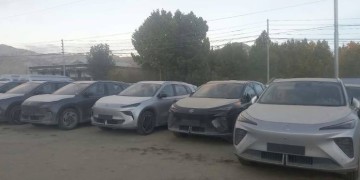
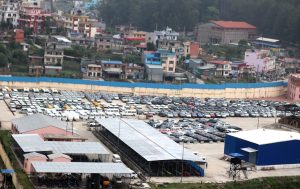
The lack of consistency in tax policy has also encouraged importers to stock large numbers of vehicles before the budget announcement.
Dealers not rushing this time
Despite confusion among buyers, automobile dealers do not appear to be rushing imports this year.
There are two major interpretations behind this. One is that businesses with strong access to policymakers may already be confident about favorable tax policies for their products.
The second is that importers are relatively assured that the government will not make major tax changes on electric vehicles. Since the government is promoting EV adoption, dealers are not aggressively stockpiling vehicles ahead of the budget.
This trend also indicates growing confidence among EV businesses regarding the government’s long-term direction.
What could change?
Finance Minister Dr. Swarnim Wagle is scheduled to present the budget for fiscal year 2026/27 in a joint session of the federal parliament after 16 days.
The budget is expected to address several key issues in the automobile sector.
Consumers and businesses are closely watching possible changes in the more than 250 percent tax imposed on petroleum vehicles. There is also strong interest in how the government will handle hybrid vehicle taxes.
At present, EV taxes are based mainly on motor power. Importers and industry stakeholders have repeatedly argued that the current system should be revised.
As a result, there is growing curiosity about whether the government will introduce a new taxation model and what criteria it may use.
The finance minister has already hinted at changes in existing tax structures. The government’s policy and program document has also mentioned revisions in tax rates and tax scope.
Focus on production
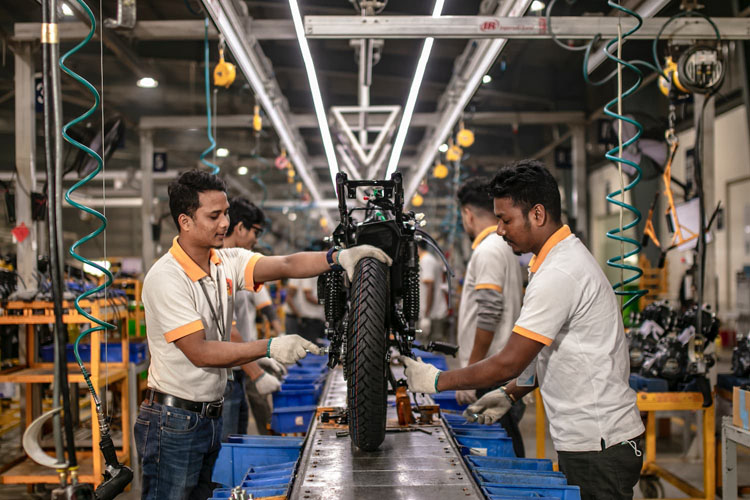
The new government has indicated that the upcoming budget will focus on strengthening the economy from the foundation level. Because of this, many expect the automobile sector to receive policies aimed at promoting domestic production.
Industry stakeholders believe the government could introduce measures encouraging vehicle manufacturing and supporting industries in Nepal.
Currently, Nepal has more than half a dozen motorcycle assembly plants along with several car assembly facilities. Businesses expect the government to introduce a clear five- to ten-year plan to increase local value addition and strengthen domestic production.
A Finance Ministry official told MeroAuto that the budget preparation process is moving quickly under direct attention from the finance minister and prime minister. According to the official, several major policy announcements are expected in different sectors.
As the budget date approaches, interest from automobile businesses and consumers continues to grow.