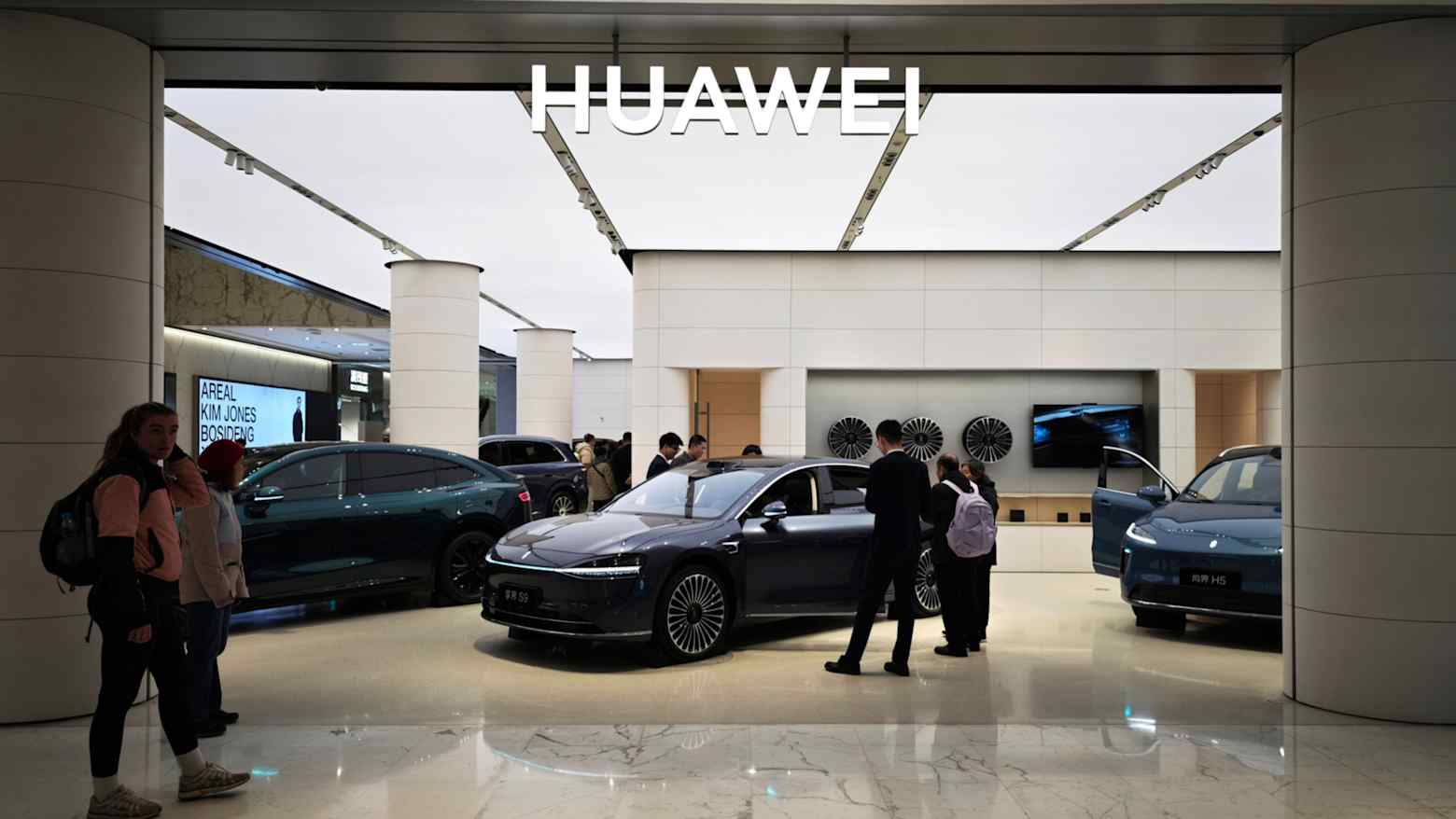
KATHMANDU: Chinese tech giant Huawei Technologies emerged as one of the biggest highlights at the Auto China 2026 despite not manufacturing cars on its own, writes Nikkei Asia.
The company’s strong presence at the Beijing auto show reflected its growing influence in China’s rapidly expanding EV and smart mobility market. Huawei is now involved in vehicle software, autonomous driving systems, electronic components and even vehicle sales.
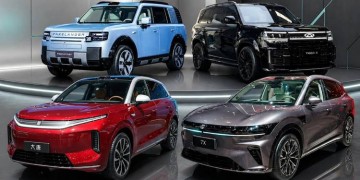
One of the main attractions at the show was the Harmony Intelligent Mobility Alliance (HIMA), a Huawei-led platform that currently includes five Chinese automotive brands.
Models from brands such as Stelato, Aito and Luxeed were displayed at the event. The Stelato S9T wagon starts at around about USD 47,000.
Huawei handles product planning, design, software systems and sales operations for HIMA vehicles, while partner companies mainly provide manufacturing facilities.
According to company representatives, Huawei is responsible for quality management, onboard systems, electronic controls, body design and chassis tuning.
The company first entered the automotive technology sector nearly 15 years ago as connected and autonomous vehicles began gaining momentum globally.
Huawei’s push into the auto industry accelerated after US sanctions restricted its smartphone and semiconductor business. The company later shifted focus towards automotive technology and smart mobility solutions.
Its automotive parts and software business grew 72 percent in 2025, reaching 45 billion yuan.
Industry analysts now describe Huawei as a “Tier 0.5” automotive company because it operates between a traditional supplier and a full vehicle manufacturer.
Huawei’s partnership has also helped smaller Chinese automakers compete against larger brands such as BYD.
Seres Group, the company behind the Aito brand, recorded a major turnaround after partnering with Huawei. Seres sold fewer than 270,000 vehicles in 2022 and posted a heavy financial loss. By 2025, its sales climbed to 510,000 units with strong profit growth.
At the same time, competition in China’s smart vehicle sector is increasing rapidly. Companies like Momenta and Horizon Robotics are also expanding their presence in autonomous driving and automotive chip technology.
Huawei currently invests around 20 percent of its annual revenue into research and development as competition intensifies in China’s EV market.