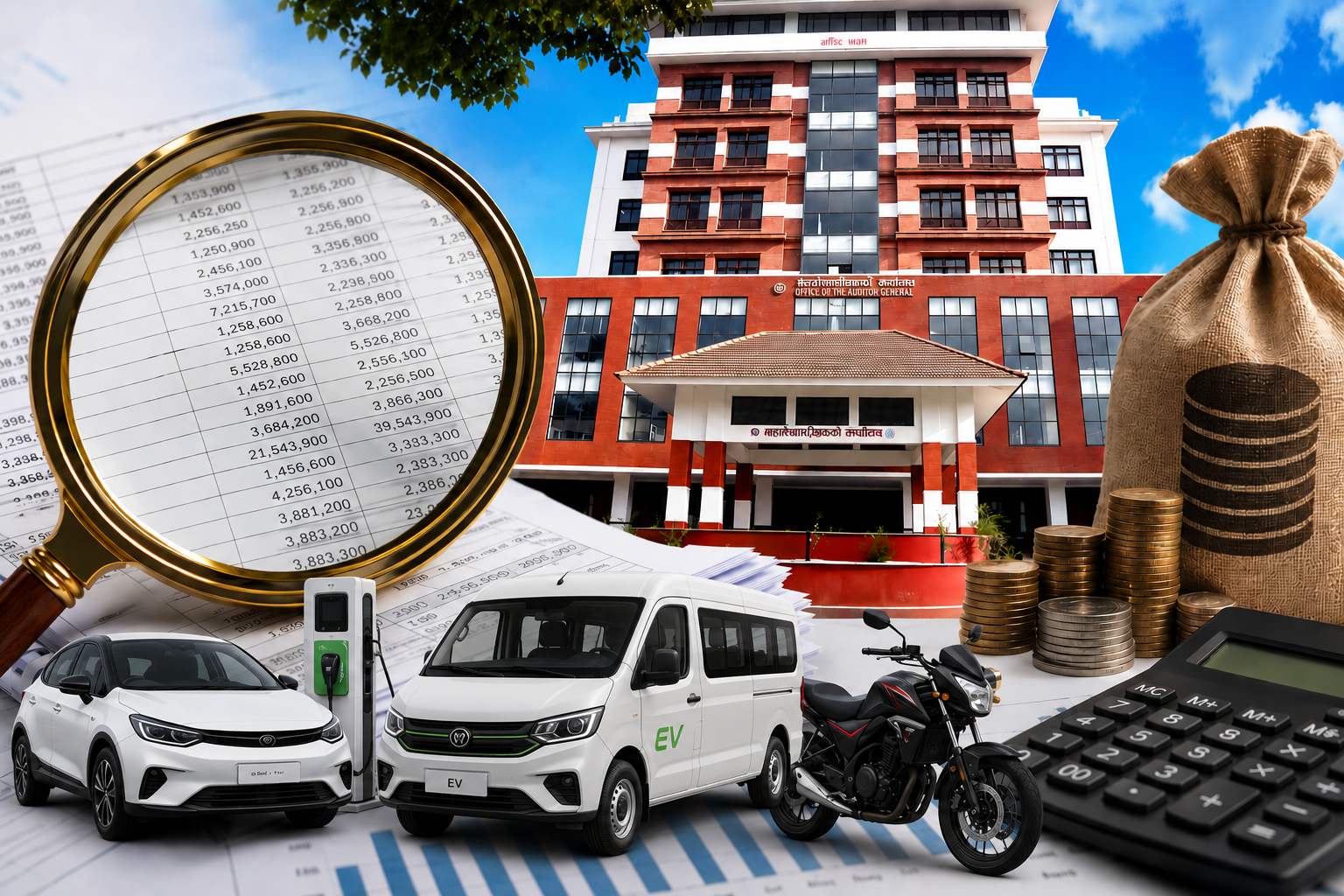
KATHMANDU: Nepal’s 61st Annual Report of the Office of the Auditor General has highlighted major irregularities in tax exemptions provided to motorcycle assembly industries, CKD vehicle imports, and electric vehicles.
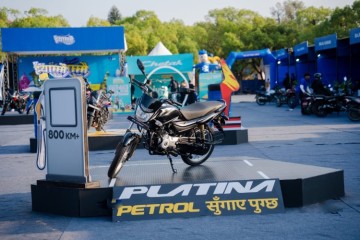
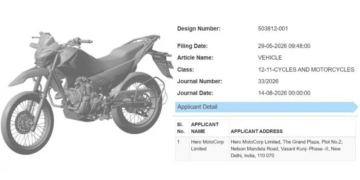
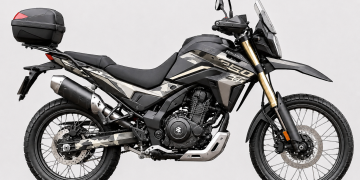
The report states that motorcycle assembly industries received large tax exemptions despite generating very low local value addition.
Under Section 114 of the Excise Duty Act, 2002, industries assembling vehicles in Nepal are eligible for a 50 percent excise duty exemption. The Auditor General found that one taxpayer under the Large Taxpayers Office received excise and VAT exemptions worth Rs 6.64 billion between FY 2021/22 and FY 2023/24 while assembling motorcycles of different capacities.
However, the report states that the actual value addition was only 0.91 percent and no domestic raw materials were used. The report has recommended a review of such tax facilities.
Similarly, another taxpayer under the Inland Revenue Office, Lalitpur-1, received tax exemptions worth Rs 154.9 million. The report noted that the tax exemption exceeded the value addition by Rs 139.2 million.
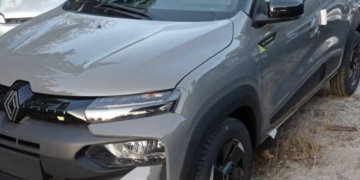
The report also found irregularities in Completely Knocked Down (CKD) vehicle imports. Under the Customs Tariff Act, 2024, CKD imports receive a 25 percent customs duty exemption and a 50 percent excise duty exemption.
According to the report, customs offices provided tax exemptions on motorcycles, scooters, auto-rickshaws, and other vehicles without verifying whether the importer had an assembly plant or approval from the Department of Industry.
As a result, five customs offices, including Bhairahawa Customs Office, Birgunj Customs Office, and the Dry Port Customs Office, reportedly under-collected revenue worth Rs 7.49 billion. The Auditor General has recommended recovering the amount.
The report has also raised serious concerns over EV imports and motor power classification.
Under the Customs Tariff Act, 2024, EV taxes are determined based on peak motor power. However, the Auditor General found that customs offices cleared EVs based only on invoice documents without conducting dynamometer testing to verify actual motor output.
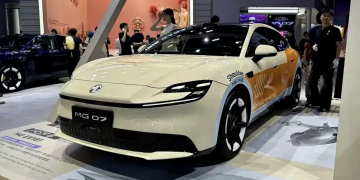
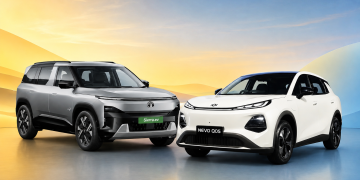
The report states that few electric SUV models were imported by declaring motor power below 200 kW, even though the actual output was reportedly above 200 kW at 272 PS. This resulted in lower tax payments.
The report estimated revenue leakage of Rs 1.10 billion linked to these imports.
The Auditor General also found discrepancies in the imported motor power figures of several electric cars and Passenger Van models. In both cases, the actual power output was reportedly higher than declared during customs clearance. This allegedly caused revenue loss of Rs 67.1 million.
The report further noted that vehicle tax revenue collected by Madhesh, Gandaki, and Sudurpashchim provinces was not distributed according to the Intergovernmental Fiscal Arrangement Act, 2017. A total of Rs 213 million has yet to be allocated under the required revenue-sharing formula.
The Auditor General has recommended recovery of the under-collected taxes and stricter verification procedures for vehicle imports and assembly industries.