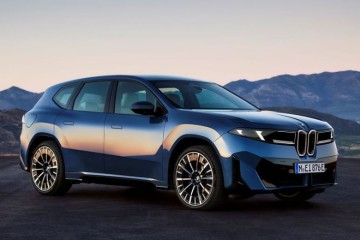
KATHMANDU: Nepal will need at least 10,000 EV charging stations by 2030 to support the rapid growth of electric vehicles, according to a government study report.
The use of electric vehicles is rising fast in Nepal. EV adoption in private vehicles and small public transport is growing strongly. However, charging infrastructure has not expanded at the same pace.
Government data shows that EVs accounted for 73 percent of total new car sales in Nepal in 2025.
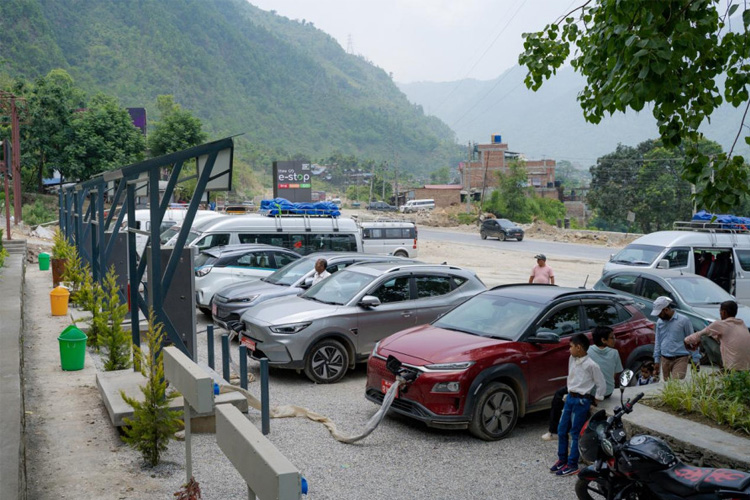
At present, around 1,500 charging stations have been installed across the country. This is still low compared to the number of EVs on the road. Long queues are often seen at charging stations during festivals and peak travel periods.
The government has set a target to make EVs account for 90 percent of private vehicle sales by 2030. Based on this target, the report says Nepal will need at least 10,000 charging stations.
The recommendation was made by a government task force formed to study Nepal’s EV policies, legal framework, current market status, opportunities and challenges.
The report follows international practice, which recommends one charging station for every 20 vehicles. It notes that Nepal will need this ratio as EV adoption rises.
The study does not mention the exact number of EVs expected by 2030. However, it suggests the target is based on around 200,000 electric vehicles.
The report also recommends preparing detailed project reports for major highways and building charging stations based on demand.
It says Nepal should install high-speed DC fast chargers at key locations. The ideal vehicle-to-charger ratio should be 10:1, while 20:1 is considered the minimum global standard.
The report also suggests uninterrupted power supply at charging stations. It has also recommended public-private investment in EV charging and refreshment centers.
Low-cost automatic charging points should also be installed at malls, schools and public offices to support EV growth.