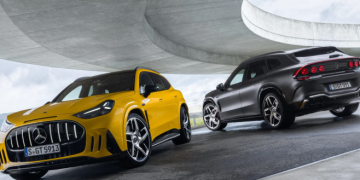
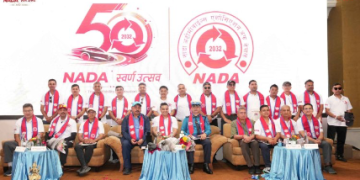
KATHMANDU: The NADA Automobiles Association of Nepal has said that the budget for fiscal year 2026/27 is likely to increase the prices of most types of vehicles in Nepal.
The association made the statement while releasing its official view on the budget recently presented in Parliament by Finance Minister Dr. Swarnim Wagle.
According to NADA, the government’s current tax policy could lead to higher prices for both electric and fuel-powered vehicles.
Through the budget, the government has removed the excise duty on electric vehicles and introduced a Clean Infrastructure Investment Fee. It has also changed the basis of taxation. Previously, EV taxes were determined mainly by motor power, but they will now be based on vehicle value. NADA believes this change is likely to increase prices across most vehicle categories.
The association said it would be more practical for the government to determine vehicle taxes based on the US dollar exchange value rather than the Nepali rupee to ensure greater price stability.
NADA noted that Nepal has been a member of the World Trade Organization for more than two decades and is moving from least-developed country status to a developing nation. In this context, it said it had expected the government not to impose additional taxes on vehicles.
The association reiterated its long-standing demand for a stable tax policy. It also said the government should continue adopting supportive policies for the promotion of electric vehicles.
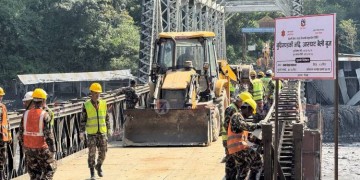
At the same time, NADA welcomed the government’s large allocation for infrastructure development. It said the budget has allocated nearly Rs 300 billion for road infrastructure and has committed to completing unfinished roads and highways on time.
According to NADA, faster development of road infrastructure will also help accelerate the growth of Nepal’s automobile sector.
While describing the budget as somewhat ambitious, the association said effective implementation could help drive the country’s economy forward. Overall, NADA believes the budget is balanced and focused on long-term development.