KATHMANDU: Premium electric SUVs in Nepal are set to become significantly more expensive following the new tax structure introduced in the Fiscal Year 2026/27 budget.
The government has replaced the excise duty system with a new ‘Clean Infrastructure Investment Fee’. EV taxation will now be based on vehicle value instead of motor peak power. This change has increased the tax burden on high-end electric vehicles.
While entry-level and mid-range EVs benefit from lower rates, premium models fall under much higher slabs. The new fee ranges from 2.5 percent to 130 percent, depending on the vehicle’s customs value.
As a result, prices of premium electric SUVs are expected to rise by 20 to 40 percent. Models currently priced between Rs. 7.5 million and Rs. 9 million are likely to cross Rs. 10 million. Higher-end vehicles could see even sharper increases.
Under the revised tax structure, electric vehicles with a CIF value above Rs. 4 million will attract 20 percent customs duty, 90 percent Clean Infrastructure Investment Fee, 5 percent Road Construction Fee and 13 percent VAT.
Combined, these taxes will significantly increase the overall tax burden on premium EVs, resulting in higher retail prices in the Nepali market.
This results in an effective tax burden of around 170 percent. In the highest slab, the 130 percent fee pushes the total tax incidence up to 227 percent.
Finance Minister Dr. Swarnim Wagle stated that vehicles priced above Rs. 5 million are considered luxury products. He clarified that tax concessions are targeted only at smaller, more affordable vehicles.
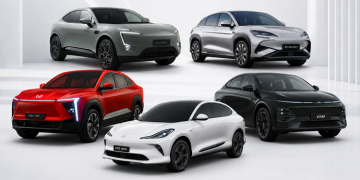
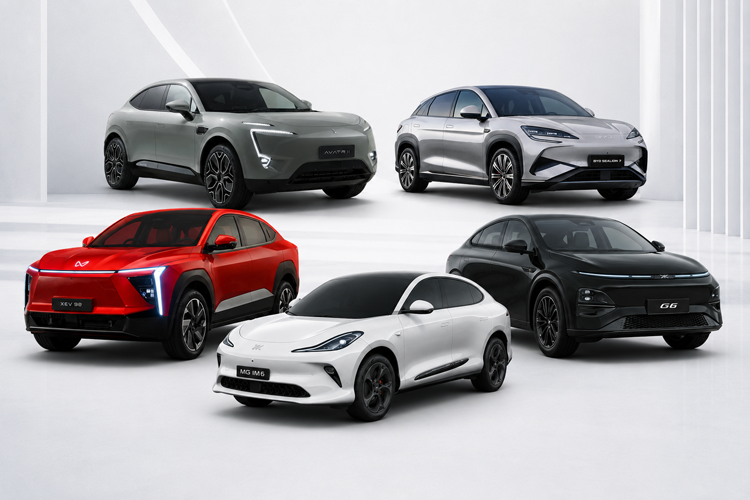
Nepal currently offers more than a dozen premium electric SUVs from brands such as BYD, MG, Deepal, Mahindra, Xpeng, Tesla, BMW, and Avatr.
Key models in this segment include the BYD Sealion 7, priced at Rs. 7.995 million, the IM Motors IM6 and Deepal S07 at Rs. 7.5 million each, the Deepal E07 at Rs. 10.3 million, the Mahindra XEV 9e top variant at Rs. 9.5 million, the Xpeng G6 at Rs. 8.5 million, and the Avatr 11 at Rs. 10.45 million.
With the new value-based taxation, SUVs priced around Rs. 7.5 million are expected to move beyond Rs. 10 million. Industry estimates suggest that high-end models like the Avatr 11 could see prices surge dramatically, potentially exceeding Rs. 20 million depending on final tax calculations and importer pricing.
The new policy marks a clear shift towards discouraging luxury EV imports while promoting more affordable electric mobility options.