KATHMANDU : Global automakers are increasingly partnering with Indian companies as they look for a more cost-effective way to expand in the country’s highly competitive car market, according to Nikkei Asia.
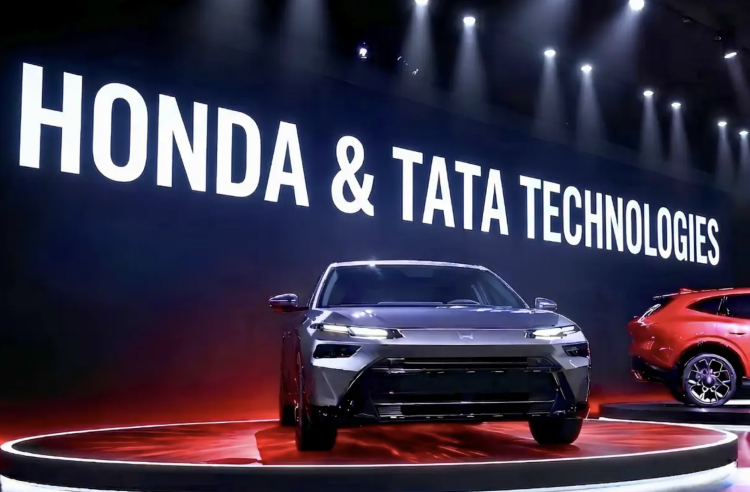
Honda has partnered with Tata Technologies to develop a vehicle platform for hybrid and electric models. The platform could also support exports. Stellantis is planning to use a Tata Motors platform for some Jeep models, while Volkswagen is reportedly considering an investment from JSW Group.
The approach is similar to the strategy global automakers have adopted in China. Volkswagen has invested in Xpeng, while Stellantis has invested in Leapmotor. These partnerships have helped global brands gain access to local technology, engineering and EV expertise.
India, however, remains a difficult market for many global brands. Maruti Suzuki, Hyundai, Tata Motors and Mahindra have strong positions, with wider model lineups and extensive local supply networks.
Honda, for example, held just 1.4% of India’s passenger vehicle market in July. Skoda Auto Volkswagen India accounted for 1.97%, while Stellantis had around 0.28%.
Developing new models independently can require hundreds of millions of dollars. Partnerships can reduce this burden while helping automakers bring new products to market faster.
The strategy also reflects India’s growing importance as a manufacturing and engineering hub. Local partnerships can provide global automakers with access to cost-efficient production, local engineering expertise and established supply chains.
However, analysts warn that excessive collaboration could also lead to similar-looking products and reduce brand differentiation.