KATHMANDU: The US dollar has been rising steadily in recent months. In just six months, its value has increased by nearly Rs 10. This trend is now affecting Nepal’s overall economy, including the automobile sector.
Nepal is a heavily import-dependent country. Around 90 percent of goods are imported, while exports account for only about 10 percent. Because of this imbalance, a stronger dollar brings more losses than gains to the country.
The Nepali rupee is pegged to the Indian rupee. When the Indian rupee weakens against the US dollar, the Nepali rupee also weakens automatically. This affects trade with China and other third countries, as imports become more expensive and trade costs rise.
More than two-thirds of vehicles and spare parts imported into Nepal come from India and China. Imports from China and other countries are linked to the US dollar. Exchange rates in these markets fluctuate frequently.
In the last three months alone, the dollar has strengthened by over 3 percent. This has already started to push up import costs. The impact is now visible across the automobile market.
- Rising dollar to push up vehicle prices
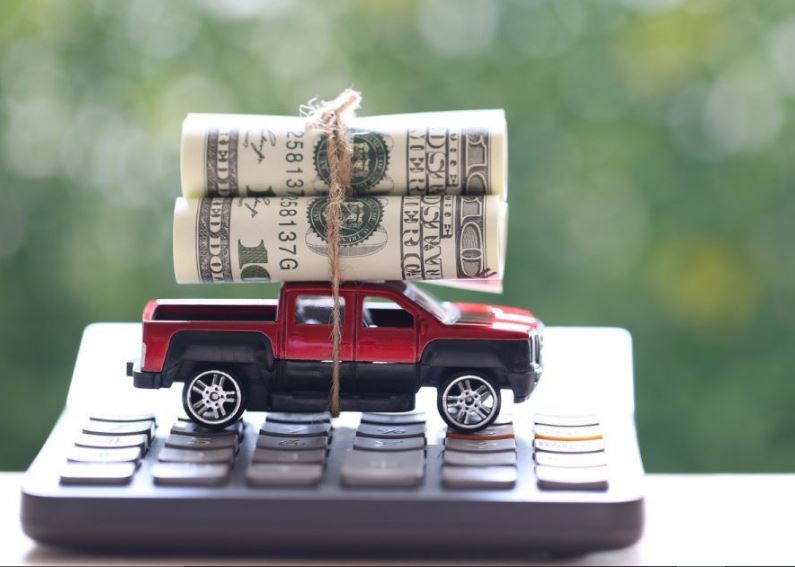
The first and most direct impact is on vehicle prices. Cars priced when the dollar was around Rs 139 are now becoming costlier. Higher exchange rates increase customs duty, excise duty, and road charges as well.
Petrol and hybrid vehicles imported in dollars or euros are expected to see sharp hikes. Dealers say prices may rise by 15 to 20 percent.
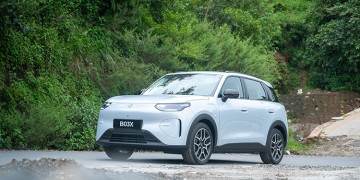
EVs may be relatively less affected due to lower taxes. Still, a 5 to 10 percent price increase now looks certain.
- Spare parts costs likely to increase
A stronger dollar will also raise spare parts prices. This will increase overall vehicle running and maintenance costs.
- Fuel prices under pressure
Nepal imports petroleum products from India. India buys crude oil from the global market in US dollars. When the dollar rises, fuel prices are likely to increase as well.
- Higher dealer burden and rising inventory
Higher vehicle prices may slow buyer demand. This could lead to unsold stock piling up at dealerships. As a result, dealers may face higher interest costs and capital pressure.