KATHMANDU: The global auto industry is changing fast. Electric vehicles (EVs), batteries, and key metals are now shaping the future of mobility. Among these metals, copper and silver have become especially important. Their growing demand is also linking the auto industry with global politics and supply chains, where China plays a leading role.
Over the past two years, prices of both metals have risen sharply. In Nepal, the price of 10 grams of silver has jumped from around Rs 1,000 to nearly Rs 4,000. Copper prices have also increased, from about Rs 800 per kg to over Rs 1,200. This rise is closely linked to the rapid growth of EVs, battery production, and renewable energy systems worldwide.
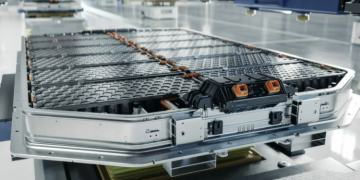
Modern EVs depend on high-voltage lithium-ion batteries, which need large amounts of conductive metals. As many countries push for electrification to cut emissions and reduce fuel use, demand for batteries has increased quickly. This has put pressure on global supplies of copper and silver.
Copper: key metal for EVs
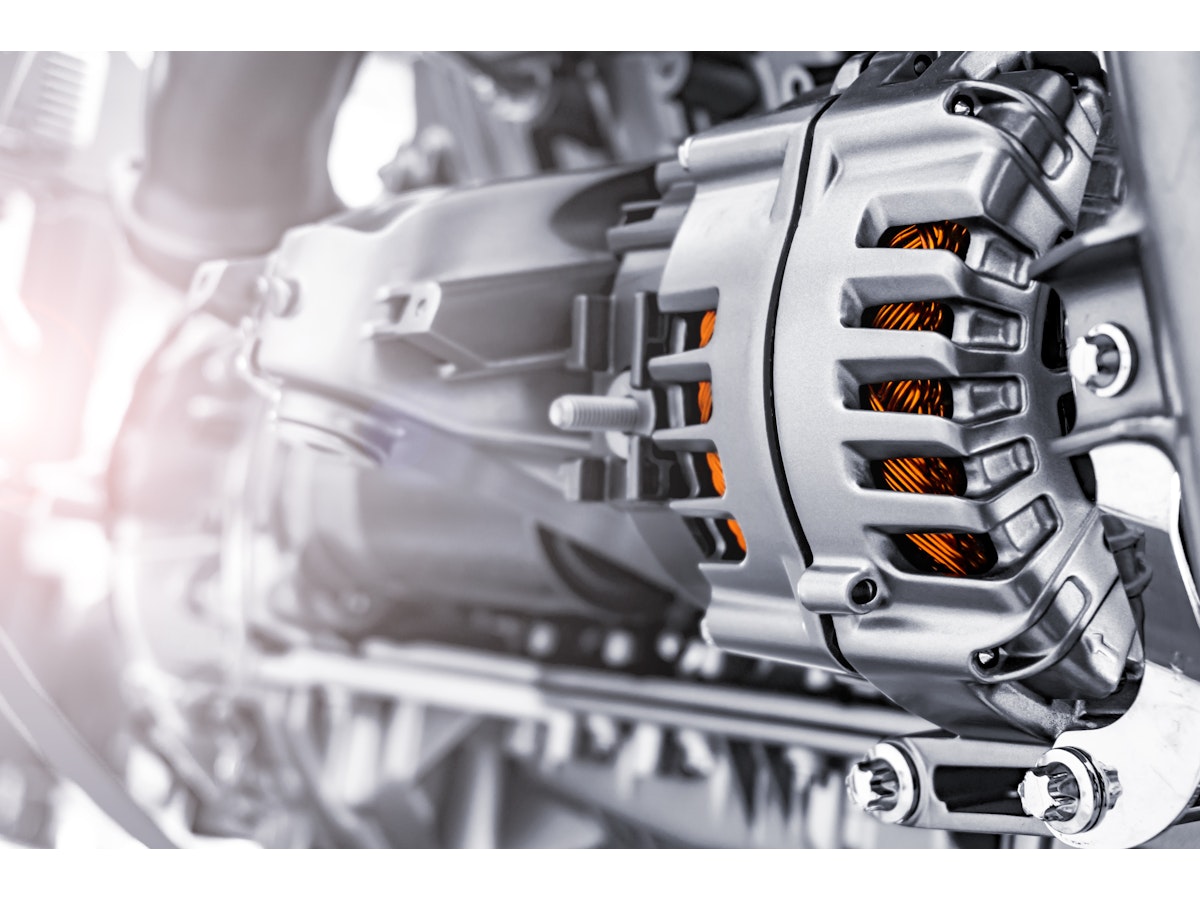
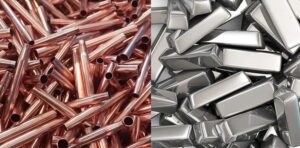
Copper is one of the most important materials used in EVs. In lithium-ion batteries, it works as the anode current collector, helping the battery charge and discharge efficiently. EVs also use copper in wiring, electric motors, inverters, charging systems, and other power components.
On average, an EV uses three to four times more copper than a petrol or diesel vehicle. Large battery storage systems also consume huge amounts of copper, keeping demand high and prices under pressure.
Silver: high impact metal
Silver plays a smaller but strategic role in EVs. It is used in bus bars, connectors, switches, and high-voltage electrical contacts, where high efficiency is needed. Silver is also important for solar panels and energy storage systems, which support EV charging networks.
Although EVs use less silver than copper, its high value and limited supply make its price more sensitive to global demand and political decisions.
China: leader in EVs and metals
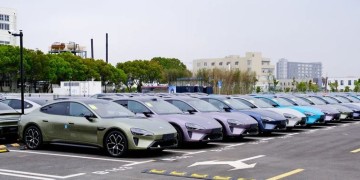
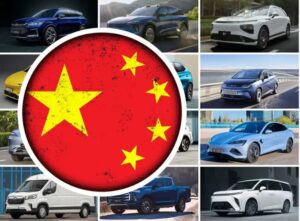
China is at the center of the global EV and battery industry. It leads in battery cell production, battery material processing, and EV manufacturing. China is also a major producer and processor of copper and silver, with strong control over refining and downstream industries.
In recent years, China has treated key minerals as strategic resources, similar to semiconductors. Reports of tighter export controls show efforts to protect domestic supply and maintain global leadership.
Industry leaders, including Tesla CEO Elon Musk, have warned that metals like silver could become major supply bottlenecks for EV growth.
Because Chinese companies control mining, refining, batteries, and vehicle production, they benefit from strong vertical integration. This helps Chinese EV brands control costs, scale faster, and launch vehicles at more competitive prices than many rivals in Europe, Japan, or the US.
Similarly, our neighbor India, which leads in sales of ICE vehicles across both passenger and commercial segments in Nepal, is witnessing growing EV adoption supported by government incentives.
However, it still depends heavily on imported batteries and key materials, leading to higher costs and slower EV growth compared to China.
For Nepal, the impact is indirect but important. Rising global prices of copper and silver are pushing up EV prices, battery costs, and charging infrastructure expenses. Since Nepal relies almost entirely on imported vehicles and batteries, it remains highly exposed to global price changes.
Even so, EV adoption remains essential for reducing fuel imports and emissions in the long term.