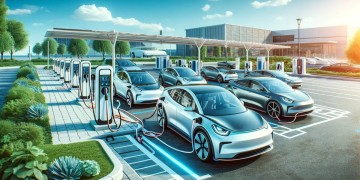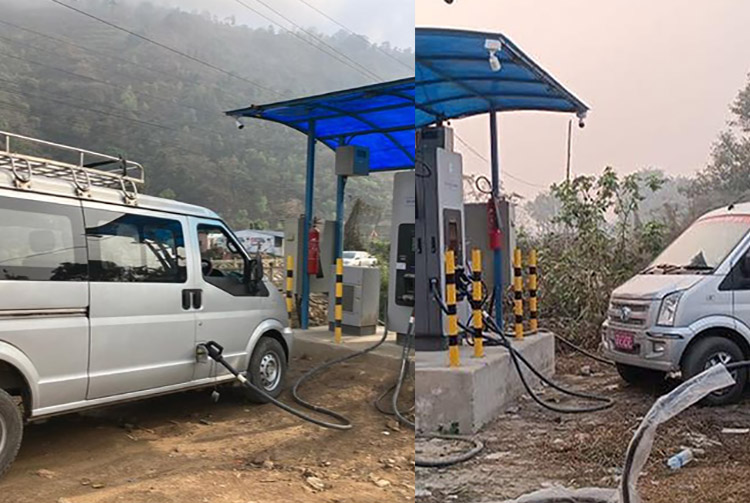
KATHMANDU: The government is set to introduce national guidelines for electric vehicle charging stations as part of its plan to strengthen Nepal’s e-mobility infrastructure.
The provision is included in the National Transport Policy 2083, recently approved by the Cabinet. The policy aims to ensure the planned development of EV charging stations and battery swapping hubs across major cities and highway corridors.
Under the policy, the Ministry of Physical Infrastructure and Transport has been tasked with preparing and implementing national guidelines for EV charging stations within one year.
The guidelines will define standards for charging station locations, capacity and technical specifications. They will also include separate requirements for highways, urban areas and rural regions.
In addition, the framework will specify the maximum distance between charging stations, minimum charger capacity, technical standards for fast and ultra-fast chargers, and safety requirements.
The government expects the guidelines to support balanced expansion of Nepal’s EV charging network and improve nationwide accessibility.
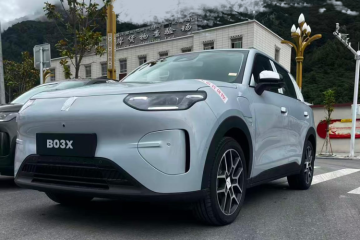
According to the National Transport Policy, electric vehicles now account for around 70% of new passenger car sales in Nepal. EV adoption is also increasing in public transport and the two-wheeler segment. The policy estimates that around 63,000 electric vehicles are currently operating on the country’s roads.
The government has adopted a phased e-mobility transition strategy to expand the use of electric and alternative fuel vehicles. The policy gives priority to electrifying public transport as part of this transition.
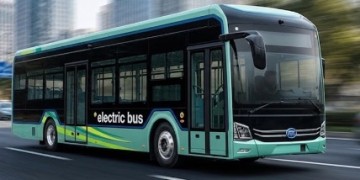
To accelerate adoption, the government plans to launch programs to convert public transport fleets to electric buses, electric taxis and electric microbuses within the next one to three years.
It also plans to introduce a Public Transport Fleet Modernization Program within three to five years, with electric buses receiving priority.
To encourage private sector investment in large electric public transport vehicles, the policy also proposes Viability Gap Funding (VGF). Under the scheme, the government will provide subsidies or concessional loans to support the purchase of large electric buses.