KATHMANDU: Nepal’s car market has a clear favorite these days; the SUV. And the numbers tell a compelling story. In 2024, out of 13,782 cars sold across the country, 8,223 were SUVs. That works out to nearly 60 percent of all sales. A year later in 2025, that share climbed further.
A total of 15,887 cars were sold, and 10,538 of them were SUVs, about 66 percent of the market. Even the first 45 days of 2026 show no signs of slowing down. Of the 1,412 cars imported in that period, 1,064 were SUVs, pushing the segment’s share to a striking 75 percent.
Meanwhile, hatchbacks, sedans, and MPVs are gradually losing ground.
How did it all begin?
The SUV wave picked up pace around 2013, when Ford introduced the Ecosport in Nepal. It was a turning point. Before that, SUVs were largely premium offerings from Toyota, Nissan, Honda, Hyundai, and Kia, most of them imported from third countries at steep prices.
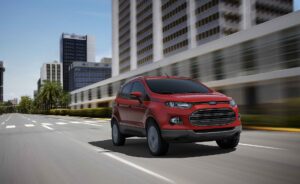
As SUV production ramped up in India, prices started becoming more accessible. Models like the Hyundai Creta, Suzuki Brezza, Nissan Magnite, and Tata Nexon gradually made the body style feel normal, even expected. Today, these same models, along with the Kia Seltos, Sonet, Hyundai Venue, Tata Punch EV, and others, remain top sellers in Nepal.
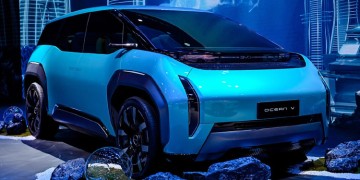
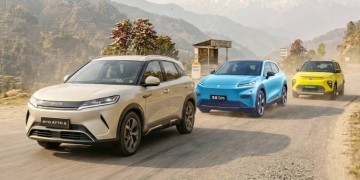
Chinese brands have added another layer to this story. BYD, MG, Deepal, Omoda, Jaecoo, Leapmotor, and Aion have all entered with SUV-focused electric lineups, and buyers are responding warmly.
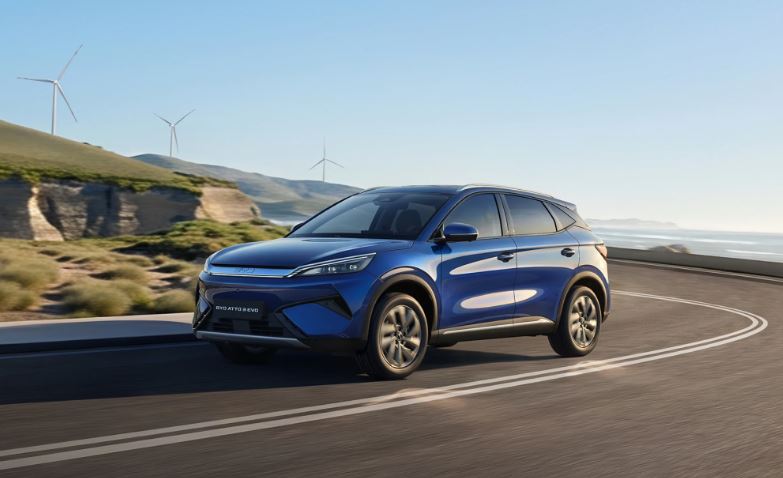
The classics still hold their own
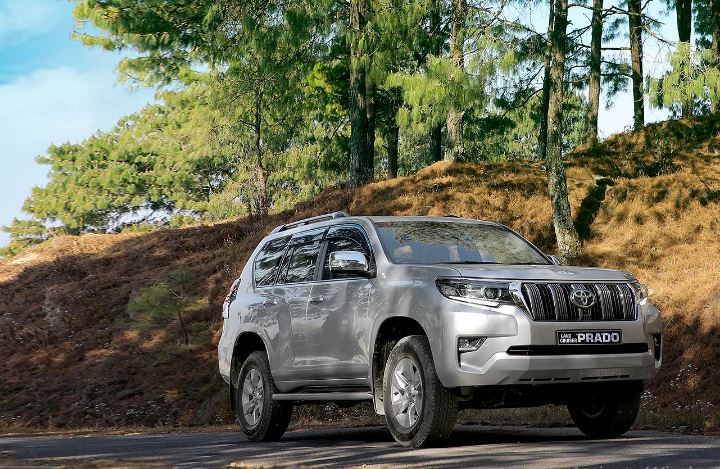
Toyota remains a pillar of Nepal’s SUV landscape. From the Land Cruiser LC 300 and LC 250 to the Prado, RAV4, Corolla Cross, Yaris Cross, and Fortuner, the Japanese brand covers a wide range. Volumes may be modest given the pricing, but the brand’s presence is undeniable.
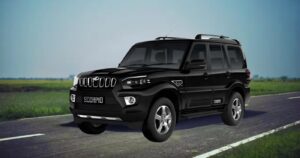
Then there’s Mahindra, a name deeply rooted in Nepal’s roads. The Scorpio has long been a go-to choice in both the hills and the Terai, valued for its affordability and passenger capacity.
The Bolero and XUV 700 continue to attract loyal buyers, while the Scorpio N adds a more modern touch to the lineup. On the electric side, Mahindra has introduced the BE 6e and XEV 9e, signaling a shift towards a greener future without abandoning its core audience.