KATHMANDU: Taiwan is accelerating its transition to electric mobility by offering cash incentives to citizens who replace older petrol vehicles with electric models.
The policy was introduced in 2022 by the Ministry of Environment. It targets one of the country’s major sources of urban pollution; motorcycles and scooters, according to local media.
Scooters dominate roads in Taiwan. They outnumber cars by nearly two to one, especially in cities like Taipei.
To address this issue, the government launched a “vehicle replacement and matching” program. The initiative encourages people to scrap old petrol motorcycles and cars and switch to electric vehicles.
Since the program started, 124,798 older vehicles have been replaced.
By the end of 2025, the program helped reduce around 529,212 metric tons of CO₂ emissions, according to local reports.
Incentives vary depending on the vehicle type and fuel category. Owners replacing heavily polluting vehicles such as diesel trucks can receive subsidies of up to about USD 500. In Taiwan’s income context, this is considered a meaningful financial incentive.
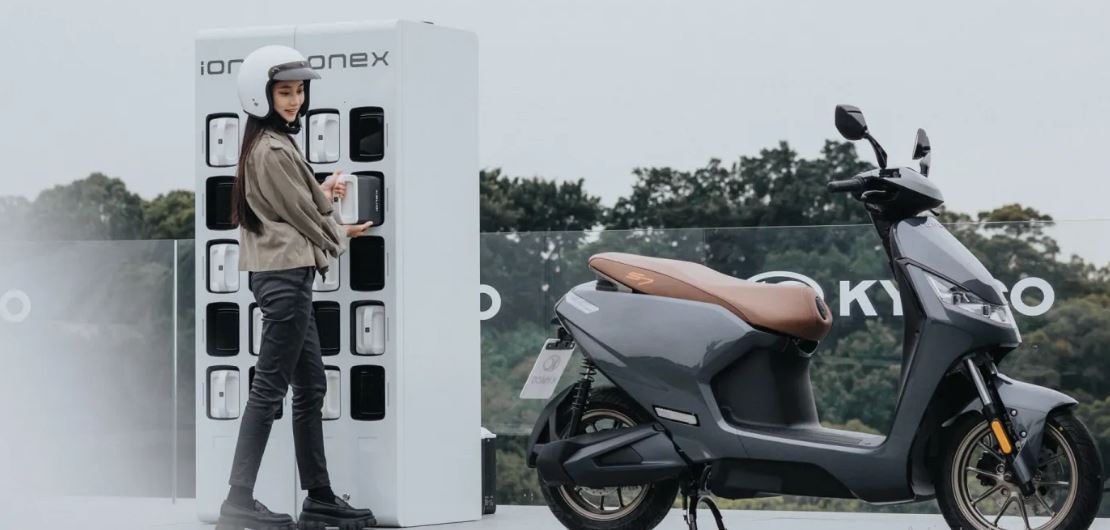
Electric scooters also qualify for incentives. This has made them more affordable for daily commuters.
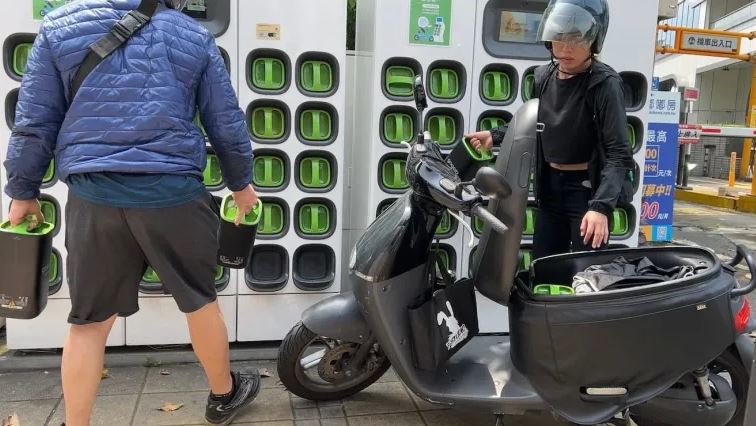
Taiwan’s electric two-wheeler ecosystem has also supported the transition. Companies such as Gogoro and KYMCO have built wide charging and battery-swapping networks across cities.
The program is implemented nationwide with support from local governments.
Gogoro has also launched its battery-swapping ecosystem in the Kathmandu Valley in partnership with Nebula Energy, making its official presence in Nepal.