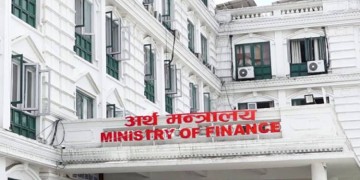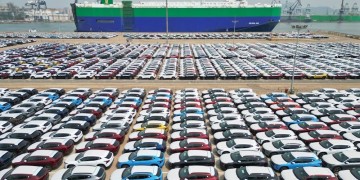
KATHMANDU: Nepal’s Office of the Auditor General has asked the government to establish a clear standard for verifying motor power of electric vehicles imported into the country for customs duty assessment.
Publishing its 63rd Annual Report on Friday, the Auditor General stated that Nepal still lacks a proper mechanism to scientifically verify EV motor capacity during customs clearance.
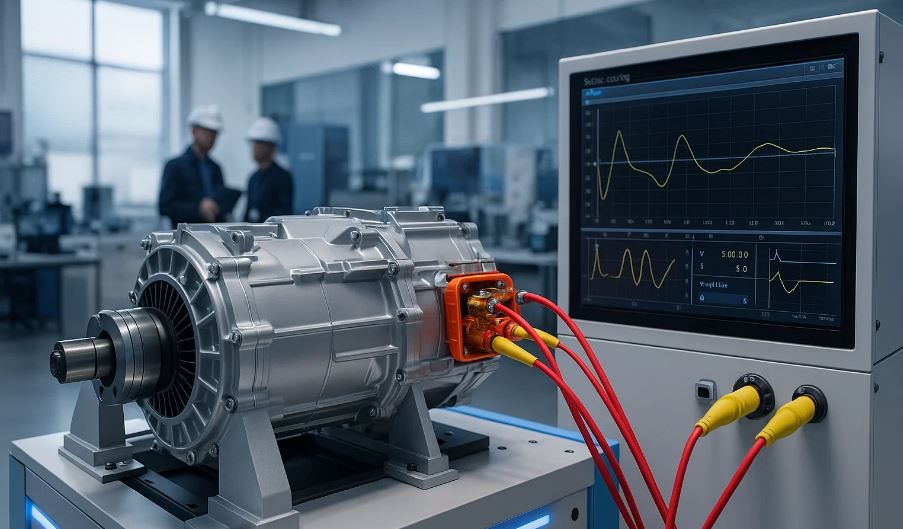
According to the report, customs offices currently rely mainly on documents submitted by importers because they do not have equipment to measure peak motor power. The report claims some importers declared lower motor output than the specifications mentioned on manufacturers’ official websites to reduce customs duty.
The Auditor General said some EVs with motor capacities between 100 kW and 200 kW were allegedly declared as below 99 kW during customs clearance.
Last year’s 62nd report had also claimed that EV importers received customs duty exemptions worth around Rs 3.77 billion through under-declaration of motor power at Rasuwagadhi and Tatopani customs points. The report had directed authorities to investigate and recover the amount.
However, the claims have not yet been scientifically proven because the government still does not have equipment to test EV motor power.
Under Section 7.6 of the latest report, the Auditor General stated that a proper basis for determining EV motor capacity for customs and excise duty purposes has not yet been established. The report recommends that the government urgently develop a clear verification standard.
The report also suggested broader customs valuation reforms to align Nepal’s import assessment system with international transaction value standards.
Apart from EV customs issues, the report highlighted problems related to unused confiscated vehicles and delays in relocating electricity poles during road expansion projects.
However, the annual audit report does not include detailed sections on EV policy, charging infrastructure, EV subsidies, or Nepal’s EV adoption trends.