KATHMANDU: China has started reducing tax benefits for new energy vehicles (NEVs), a move that could gradually increase the cost of electric vehicles and their batteries, according to Chinese media reports.
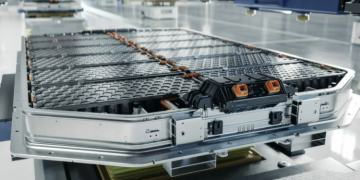
From September 1, 2026, China introduced a 2% consumption tax on lithium and lithium-ion batteries. The tax will increase to 4% from September 2027. Lithium batteries used to be exempt from this tax.
For an EV with a 60 kWh battery, the new 2% tax could add around $62 to the battery cost. This could rise to about $125 when the tax reaches 4%.
China has also reduced its vehicle purchase-tax benefit.
From January 2026, the full purchase-tax exemption was replaced with a 50% reduction. The effective tax rate is now 5%, with the benefit capped at $2,200 per vehicle.
China will also remove some vehicle-and-vessel tax benefits for NEVs from January 1, 2027. Plug-in hybrids, range-extender vehicles and some commercial EVs will be among the vehicles affected.
Higher battery and production costs could eventually push up the prices of Chinese EVs in global markets. However, manufacturers may absorb some of the additional costs to keep their models competitively priced.
Brands such as BYD, MG, Changan, Geely, Leapmotor and Deepal have already established a strong presence in Nepal, making China’s EV policies important for the local market.
Despite reducing tax incentives, China continues to invest heavily in charging and battery-swapping infrastructure.
For Nepal, the impact will depend largely on how manufacturers adjust their prices and production costs.