KATHMANDU: Petrol-powered passenger cars are continuing to lose ground in Nepal as electric vehicles rapidly expand their share of the market.
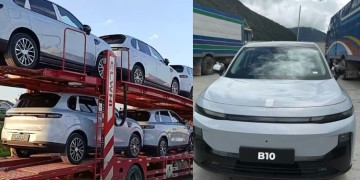
A total of 14,773 four-wheelers were imported into Nepal in the fiscal year 2025/26 (FY 2082/83). Most of these vehicles were passenger cars, while a small number were imported for use as ambulances and taxis.
EVs accounted for the majority of vehicle imports and sales during the year. Meanwhile, the market for petrol-powered cars contracted sharply.
Only 3,910 petrol-powered cars were imported and sold during the fiscal year. In comparison, 11,863 EVs were sold during the same period.
As a result, EVs accounted for 80.30 percent of total four-wheeler sales. Petrol-powered vehicles held only 19.70 percent of the market.
Why are EVs getting so popular?
Lower running costs remain one of the biggest reasons behind the growing popularity of EVs in Nepal.
With petrol prices remaining high, EVs offer significantly lower operating costs. This has encouraged more consumers to shift towards electric vehicles.
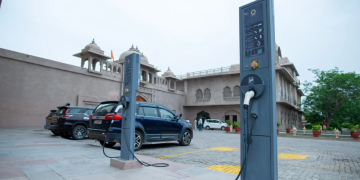
The increase in domestic electricity production has also supported EV adoption. The availability of home charging and the rapid expansion of private charging infrastructure have made EV ownership more practical.
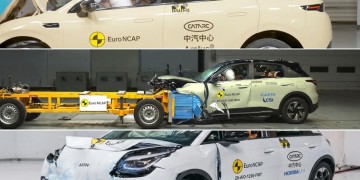
The growing competition among Chinese EV manufacturers has further accelerated the shift. Price competition has brought EVs with lower prices, more features and modern designs to the Nepali market.
EVs have also benefited from relatively favorable government taxation compared to conventional vehicles.
Petrol cars, meanwhile, face higher fuel and running costs. With more affordable and better-equipped EVs available, consumer preferences are gradually shifting away from petrol-powered vehicles.
The latest sales figures show just how quickly that shift is taking place. EVs now account for more than four-fifths of Nepal’s four-wheeler market, leaving petrol-powered cars with a significantly smaller share.