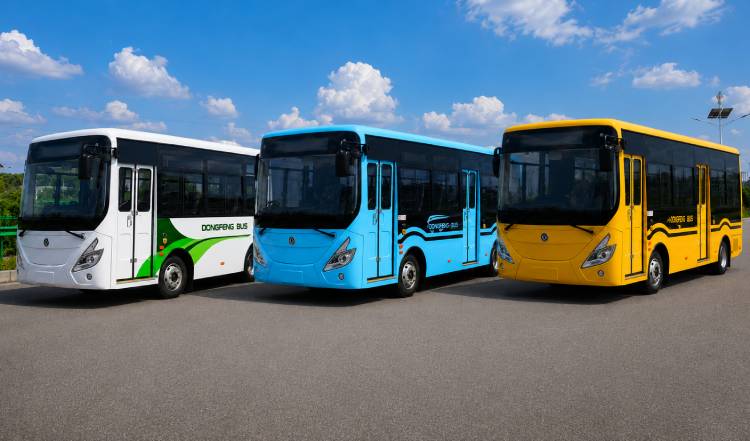
KATHMANDU: Imports of large electric buses have started increasing following the government’s policy to priorities electric vehicles in public transportation. The decision to restrict diesel bus registrations in Kathmandu Valley has also encouraged the shift towards electric buses.
According to data released by the Department of Customs, Nepal imported 17 electric buses with a seating capacity of more than 25 passengers during the first three months of the current fiscal year, up to mid-October 2026.
The imported buses were valued at Rs 159 million. The government collected Rs 27.4 million in revenue from these imports.
In comparison, Nepal did not import any electric buses with more than 25 seats during the same period last fiscal year. A total of 37 such buses were imported throughout FY 2025/26.
With electric public transport becoming a government priority, businesses have also started bringing in larger electric buses. Chery Wanda, Dongfeng and Higer currently offer electric buses with more than 25 seats in Nepal. CG Motors is also preparing to introduce buses under the King Long brand.
Imports of electric microbuses and minibuses have also remained strong. During the first three months of the current fiscal year, Nepal imported 998 electric vehicles with seating capacities ranging from 11 to 25 passengers. Their total import value stood at Rs 3.73 billion, according to the department.
The Nepal Rastra Bank has also introduced easier financing provisions to encourage electric public transport. While buyers of private vehicles must make a minimum 40 percent down payment, buyers of public electric vehicles can purchase them with a 20 percent down payment.
Similarly, the government has prioritized electric vehicles for public transportation through its National Transport Policy. It initially suspended the registration of public transport vehicles from May 21, 2026. Following pressure from transport operators and stakeholders, registration was reopened from September 17 under certain conditions.
Currently, registration of public transport vehicles remains restricted in Kathmandu Valley, except for replacement vehicles and school buses. Registration is open outside the valley, but electric vehicles receive priority.
Despite these policy measures, the high purchase cost remains a major challenge for large electric buses. Even with customs duty concessions, the minimum price of a large electric bus in Nepal exceeds Rs 12.5 million.
The Ministry of Physical Infrastructure and Transport is also working on plans to provide additional concessions and subsidies to encourage businesses to invest in large electric buses.