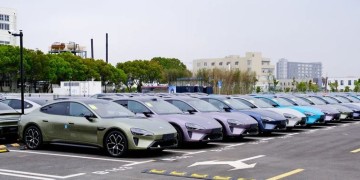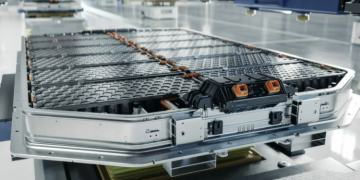
KATHMANDU: Canada has agreed to cut its 100% tariff on electric vehicles from China. The move lets up to 49,000 Chinese EVs enter the Canadian market each year at a much lower tariff of about 6.1%. This number could grow to 70,000 vehicles over the next five years.
The decision marks a clear shift away from following U.S. trade policy. The United States still keeps high tariffs on Chinese EVs and has criticized Canada’s decision.
In return, China agreed to sharply cut duties on key Canadian farm exports. Most notably, tariffs on canola seeds will fall from about 84% to 15% by March. China will also ease duties on products like canola meal, lobsters, crabs and peas.
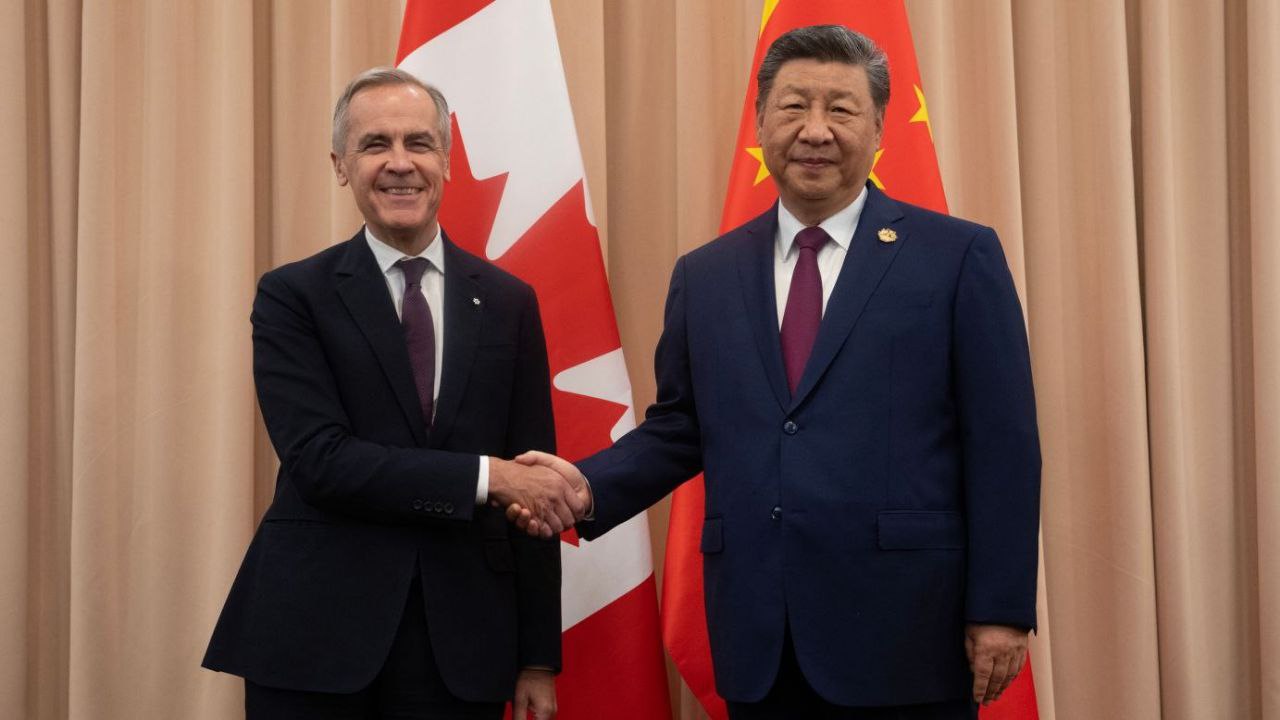
Canada’s Prime Minister Mark Carney said the deal came after talks with Chinese leaders. He described the agreement as important for boosting trade and making Canadian products more competitive in China.
Some Canadian leaders have voiced concern that cheaper Chinese EVs could challenge local automakers and workers. But supporters say the change could make EVs more affordable for Canadian buyers and help strengthen trade ties with China.
The move reflects Canada’s effort to diversify its trade partners and reduce economic reliance on the United States.