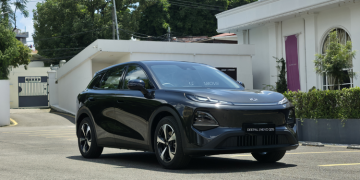
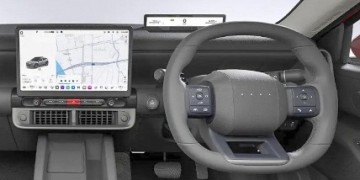
KATHMANDU: Nepal saw a strong rise in electric vehicle (EV) imports during October. According to the Department of Customs, 2,134 EVs were imported in the period from September 17 to October 17.
The number had dropped after the recent budget, but demand picked up again during the Dashain and Tihar festivals.
In total, 2,620 electric cars worth Rs 6.25 billion were imported in the first three months of the current fiscal year 2082/83 (from July 17 to October 17). This is slightly higher than last year’s figure of 2,518 units for the same period.
The government collected Rs 3.91 billion in revenue from these imports.
Even though the Rasuwagadhi and Tatopani customs points were closed for some time, importers used the Korala route as an alternative. More than two-thirds of the EVs entering Nepal came from China.
Combustion car imports on the rise
While EV imports improved, combustion car imports grew even faster. In the first three months of this fiscal year, imports of fuel-powered cars increased by 62.22 percent compared to last year.
A total of 2,336 combustion cars worth Rs 2.55 billion were imported, just 284 units fewer than EVs. The government earned Rs 6.55 billion in revenue from these vehicles.
Altogether, 4,946 cars were imported in the first quarter of the fiscal year. Combustion vehicles now make up 47 percent of total car imports, compared to about 35 percent in previous years.
Hyundai dominates the market
Hyundai has taken the lead in combustion car imports this year. Out of the total 2,336 fuel vehicles brought in, Hyundai holds a 43.54 percent share.
Data shows that 1,017 unassembled four-wheelers were imported in the same period. Since Hyundai is currently the only company assembling cars in Nepal, all these vehicles are from Hyundai. The company produces Creta and Venue models locally.