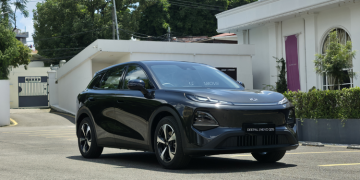
KATHMANDU: Chinese electric vehicle maker Nio, once considered the country’s answer to Tesla, is facing mounting challenges as growth slows in the premium EV segment, according to Financial Times reports.
In 2020, Nio’s stock jumped over 2,000 percent as investors were excited about its design, technology, and appeal to wealthy Chinese buyers. But the company’s growth has slowed as competition grows and demand for luxury EVs decreases.
Nio delivered about 222,000 vehicles last year, up 40 percent from the year before, but still posted a net loss of around $720 million in the second quarter. In comparison, market leader BYD sold over 3 million vehicles and remained profitable, with a gross margin close to 20 percent.
To cut costs and increase scale, Nio is planning a sub-brand aimed at the mass market. Analysts, however, warn that moving into lower segments could weaken its premium image and reduce pricing power.
Industry experts say Nio’s struggles reflect a wider change in China’s EV market, where efficiency and cost control matter more than brand image. Sales of new energy vehicles fell to 7.5 percent in August, down from 12 percent in July, showing a slowdown in the sector.
According to research firm AlixPartners, only 15 out of 129 EV and plug-in hybrid brands in China are expected to remain financially viable by 2030.
Nio’s shares have dropped nearly 90 percent from their 2021 peak. Adding to the pressure, Singapore’s sovereign wealth fund GIC has filed a lawsuit accusing the company of wrongly recognizing revenue from battery leasing. Nio has denied the claims, calling them baseless.
With investor confidence falling and funding tightening, analysts say the next phase of China’s EV race will favor companies that focus on durability and financial discipline rather than luxury and brand image.
Nio has begun producing right-hand-drive (RHD) models under its new “Firefly” brand for markets like the UK and Singapore.
In Nepal, a company under Vishal Group has secured the Nio dealership, but vehicles are expected to arrive only by 2026 due to the lack of RHD variants.