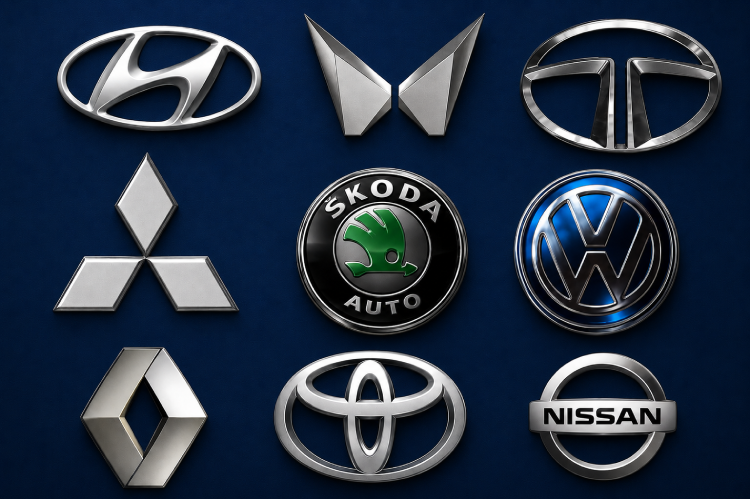
KATHMANDU: As electric vehicles continue to gain popularity in Nepal, several once-dominant car brands are now struggling to maintain their presence in the market.
European and Japanese brands have been hit the hardest by the rapid shift towards EVs. Even Indian brands faced pressure in recent years. However, brands like Tata and Mahindra managed to stay competitive by entering the EV segment early.
Tata Motors has been selling electric vehicles in Nepal since 2021. Early entry into the EV market helped the company secure a strong position. Similarly, Mahindra has maintained its market presence through popular SUVs like the Bolero and Scorpio, which remain popular for off-road use. Mahindra’s growing EV lineup has also helped the brand remain competitive.
Hyundai Motor Company is considered one of the brands that helped build Nepal’s EV market. The company offers a diverse lineup of both petrol and electric vehicles, helping it maintain strong sales.
Maruti Suzuki continues to perform well with its petrol-powered models. The company recently introduced the e Vitara, aiming to strengthen its position in Nepal’s EV market as well.
Toyota has long been seen as a status symbol among Nepali car buyers. Although Toyota is considered a mass-market brand globally, it is viewed as a premium brand in Nepal due to the popularity of its large SUVs.
American brand Ford Motor Company has struggled in Nepal since ending vehicle production operations in India. Models like the Ranger, Raptor, and Everest are still available, but sales volumes remain low, making it difficult for the brand to maintain a strong presence.
European brands like Renault, Volkswagen, and Skoda Auto were once highly successful in Nepal.
Renault gained strong popularity with models like the Duster and Kwid. Later, the Kiger also achieved decent sales. However, the brand’s market presence has weakened over the past two years, and no major new Renault model has entered Nepal recently.
Volkswagen initially positioned itself as a rival to Toyota in Nepal. The company sold models like the Beetle, Touareg, Tiguan, and Polo. After the discontinuation of the Polo, Volkswagen has relied mostly on India-made products. The Taigun SUV currently accounts for only limited sales in the market.
Skoda, another brand under the Volkswagen Group, is also facing declining sales. The company previously relied on one successful product at a time to sustain its market. However, the rise of EVs has impacted its overall demand. Skoda currently sells models like the Kylaq and Kushaq in Nepal, but overall sales volume remains limited.
Japanese brands Nissan and Mitsubishi Motors are also losing market share.
Nissan still has several products in its lineup, and the Magnite remains one of the best-selling compact SUVs in Nepal. Its competitive pricing has helped the model stay relevant. The company is also preparing to launch new models, indicating that it still wants to compete actively in the market.
Meanwhile, Mitsubishi’s Pajero remains an iconic name among Nepali consumers. The SUV became widely popular after the Government of Nepal decided to provide Pajero vehicles to lawmakers in 1995. However, Mitsubishi products gradually lost market demand over time, reducing the brand’s overall presence in Nepal.