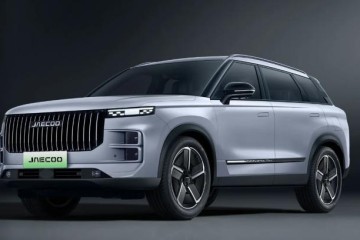
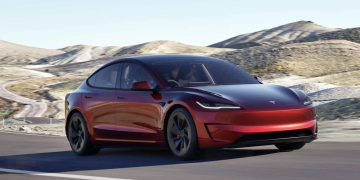
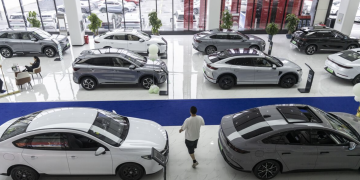
KATHMANDU: Electric vehicles made in China are becoming increasingly common on Nepal’s roads. Their presence is especially strong in Kathmandu Valley and other urban areas.
The Nepali market has seen rapid growth in EV adoption in recent years. More than 60 percent of newly sold cars in Nepal are now made in China. This has further strengthened the position of Chinese brands in the country.
Demand for EVs has also increased after the recent Middle East conflict and rising fuel concerns. In mid-April-mid May (Baisakh) alone, Nepal imported 1,345 electric cars, while only 103 petrol-powered cars entered the country. The figures clearly show the growing demand for EVs.
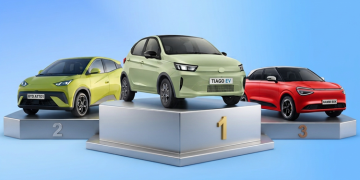
Despite their popularity, some buyers still remain doubtful about Chinese EVs. Many customers see them as affordable options, but questions about quality and long-term reliability still exist. However, many buyers consider Chinese EVs to be strong value-for-money products.
One major reason behind their success is China’s long experience in EV development. China has been working on electric vehicle technology for more than 25 years. During this period, it not only developed EVs but also built a complete ecosystem around batteries, motors, chips, and charging technology.
Battery safety is another strong point. China introduced stricter battery standards from 2026. Manufacturers now conduct several safety tests, including fire resistance, nail penetration, cold weather testing, and drop tests. These measures have helped reduce fire risks.
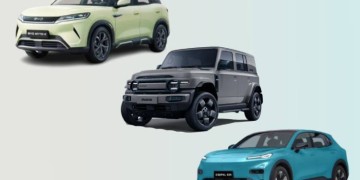
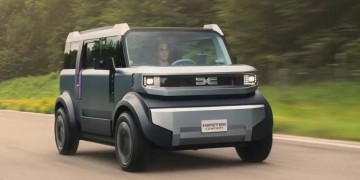
Design is also helping Chinese brands attract customers. Chinese automakers are introducing modern crossover SUVs, lifestyle SUVs, full-size SUVs, and sedans with attractive styling. Their growing success can now be seen in Asia, Europe, and Africa.
Technology is another key advantage. Many Chinese EVs now come with advanced driver assistance systems (ADAS), 360-degree cameras, and multiple safety features. Even vehicles priced around Rs 2.2 million to Rs 2.4 million offer strong technology packages. These features improve both convenience and safety.
Pricing remains one of the biggest strengths. Chinese EVs are generally cheaper than vehicles imported from India and other countries. Since Chinese companies produce batteries, motors, chips, and many other components themselves, production costs remain lower. This allows brands to offer more competitive prices in Nepal.
Yet, obstacles persist for Chinese EVs in Nepal
One major issue is the entry of inexperienced importers. Some companies with limited financial and technical capacity have started importing EVs. Since vehicles require long-term service support, this could create problems for customers in the future.
Another challenge is the lack of sufficient service centers and spare parts. Even some established brands are struggling to maintain proper parts supply and after-sales support. Nepal’s difficult border logistics and the financial limitations of some distributors are among the main reasons.
Questions also remain about build quality and warranty coverage on batteries and motors for some brands. Buyers are becoming more cautious about these issues while choosing an EV.