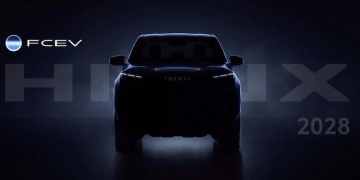
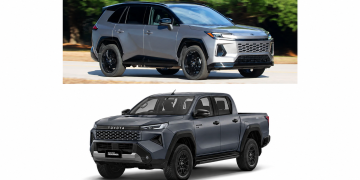
KATHMANDU: Toyota has confirmed that the 2026 Hilux will continue using the existing IMV ladder-frame platform instead of shifting to the newer TNGA-F architecture.
Many expected a full redesign, as TNGA-F already underpins models like the Land Cruiser 300 and Tacoma. However, Toyota says the decision was based on real-world usage in global markets.
According to Australian media outlet carsales, Toyota prioritized total cost of ownership while developing the new Hilux. This includes durability, reliability, off-road performance, safety, and long-term running costs.
Toyota Motor Asia Regional Chief Engineer Anyarat Sutthibenjakul said pricing was the key factor. In many emerging markets, the Hilux is mainly used as a work vehicle. Moving to the TNGA-F platform would have increased costs beyond what many customers can afford.

She also said development studies began four years ago. The decision to retain the IMV platform was finalized around two and a half years later.
Weight was another concern. TNGA-F is designed for larger and heavier vehicles. Extra weight would affect fuel efficiency, emissions, payload capacity, and tax brackets in some markets.
Toyota says the IMV platform has not remained unchanged. The company has improved chassis strength, suspension tuning, and overall refinement.
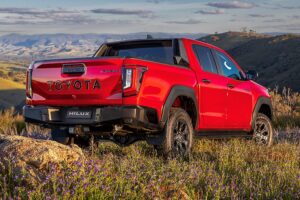
The 2.8-liter turbo-diesel engine continues. Some variants now feature a mild-hybrid system to improve efficiency and durability. Safety features, infotainment systems, and interior materials have also been updated.
Toyota has acknowledged that future regulations will require bigger changes. Electrification and a major platform shift are expected later in the decade.
For now, Toyota says evolving a proven platform is the most practical solution for the Hilux’s global users.