KATHMANDU: With the House of Representatives election scheduled for March 5, major political parties have unveiled their manifestos, placing electric vehicles (EVs) at the center of their economic and energy strategies.
Most parties have prioritized green economy goals and energy self-reliance, presenting EV adoption as a key tool to reduce Nepal’s widening trade deficit and cut dependence on imported petroleum products.
Alongside economic benefits, EVs have also been positioned as an environmental solution to help control pollution and support long-term sustainability.
Rapid EV growth continues amid policy uncertainty
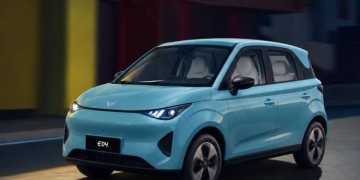
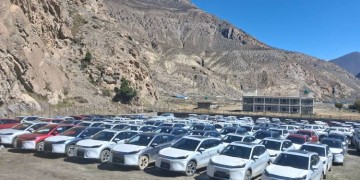
Nepal’s EV market has expanded rapidly in recent years, largely due to government incentives and tax benefits introduced by previous administrations. According to a recent report, Nepal ranked second globally in EV penetration in 2025. Of the total new cars sold in the country that year, 73 percent were electric, meaning 73 out of every 100 new cars sold were EVs.
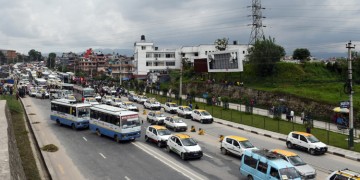
Despite this sharp rise in private EV adoption, progress in the public transport sector remains limited. In addition, the lack of a stable, long-term EV policy continues to be a concern. Frequent revisions in EV-related tax rates almost every year have created uncertainty in the market. Even so, overall EV adoption continues to grow steadily.
Recognizing the economic and environmental impact of EVs, political parties have included various EV-focused commitments in their manifestos. However, implementation strategies and priorities differ across parties.
While there appears to be competition among parties over who can promote more EVs, past experience shows that similar commitments were not always fully implemented when these parties were in power. Whether this time the promises translate into action remains to be seen.
Key EV commitments by major parties
Nepali Congress
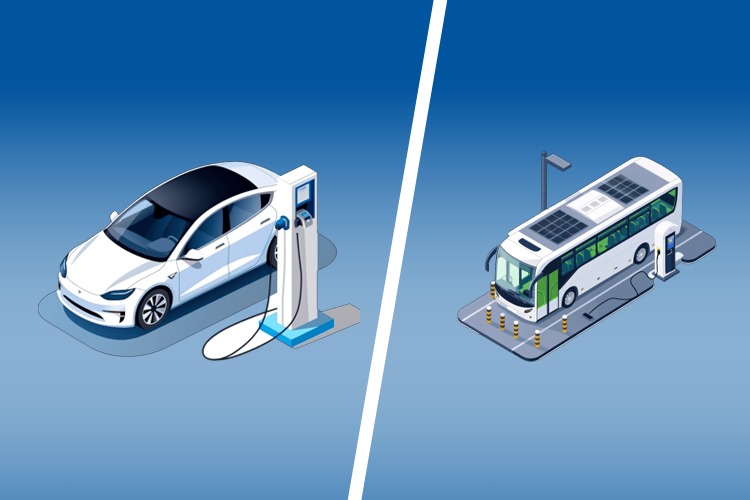
The Nepali Congress has emphasized green growth and efficient energy use. The party has pledged to promote EV adoption, particularly electric buses and mass transit systems in major cities.
It has committed to achieving net-zero emissions by 2045 through increased investment in electric public transport and other clean energy solutions. The party has also announced plans to ensure that all new public transport vehicles operating in the Kathmandu Valley are electric.
In addition, it has pledged to update transport-related laws and revise customs regulations to align with current needs.
CPN-UML
The CPN-UML has announced that it will encourage the use of all types of electric vehicles. The party aims to reduce diesel and petrol consumption while increasing domestic electricity use.
It has also committed to completing the East-West Electric Railway within the next decade. Plans have been outlined to advance infrastructure preparation for the Birgunj-Kathmandu and Kerung-Kathmandu electric railway projects.
However, despite supporting EV promotion in its manifesto, past policy decisions under UML-led governments included changes in EV tax rates that created market uncertainty.
Rastriya Swatantra Party (RSP)
The Rastriya Swatantra Party has focused more on promoting public electric transport rather than private EVs. It has pledged customs incentives to encourage the use of electric buses.
The party also plans to operate electric buses in major cities and develop the necessary infrastructure to support wider EV adoption. Like UML, it has included the East-West Electric Railway in its long-term plans.
RSP has further committed to revising overall customs duties as needed and amending impractical and outdated transport laws.
Other parties, including the Communist Party of Nepal, Ujyalo Nepal Party, and Rastriya Prajatantra Party, have also included commitments to promote EV usage in their respective manifestos.