KATHMANDU: The government is set to unveil the budget for FY 2026/27 in two months. With a new administration in place, there is strong public interest in its policy direction.
A relatively new political force is preparing to lead the government. It has promised good governance and lower tax burden. This has raised expectations of reforms, especially in the automobile sector.
It is still unclear how the new government will structure vehicle taxes. However, the upcoming budget is expected to address key issues in the sector.
Focus on assembly-based production
Previous governments had opened the door for vehicle assembly plants. But clear and strong policies were lacking. As a result, value addition targets were not properly enforced.
The new government now has an opportunity to fix this. A stable policy framework could boost investor confidence. Offering tax incentives, such as income tax holidays for 5 to 10 years, could attract new investments.
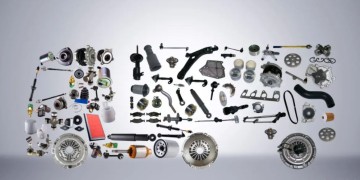
Growth in component manufacturing can also support the industry. It can create jobs, increase revenue, and reduce imports. This will also help existing assembly plants improve value addition.
Hybrid and petrol car taxes
Globally, hybrid vehicles are treated as new energy vehicles. However, Nepal has not given them much priority.
Petrol cars currently face high taxes. These include 80% customs duty, up to 110% excise duty, 10% road tax, and 13% VAT. These taxes significantly increase vehicle prices.
A slight reduction in these rates could boost sales and improve government revenue.
Electric vehicles
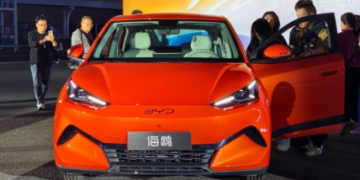
Electric cars for private use are already gaining popularity under the current tax structure. So, major tax changes may not be necessary. However, the government needs to invest in EV infrastructure.
This includes charging stations and overall ecosystem development. There is also room to reduce taxes on key EV components. Battery imports currently attract around 40% customs duty, which could be revised.
Public transport
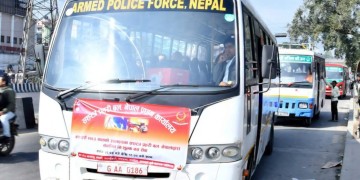
Public transport remains weak and underdeveloped. Without improvement, broader economic growth will be difficult. The government may need to allocate budget for modern public transport systems.
Local governments could be given more authority to manage urban transport services. Improving public transport can reduce congestion and support sustainable mobility.