KATHMANDU: Nepal’s pre-budget vehicle stockpiling trend has weakened this year, with car imports in mid-April-mid-May (Baisakh) 2026 dropping sharply compared to the same period last year.
In previous years, automobile importers used to bring large numbers of EVs before the annual budget announcement amid concerns of possible tax hikes. However, customs data shows the trend has slowed significantly this year.
According to customs statistics, only 1,438 units of cars were imported in mid-April-mid-May (Baishak) 2026. In comparison, more than 3,000 units had entered the country during the same month last year.
Between April and May 28, 2025, Nepal had imported 5,899 units of cars within 45 days. More than 80 percent of those vehicles were electric. This year, imports in April alone stood at just 1,438 units, making it unlikely that the previous year’s figure will be matched.
To equal last year’s import volume, Nepal would now need to import an average of 446 cars per day in the remaining period before the budget announcement. The current pace suggests that is unlikely.
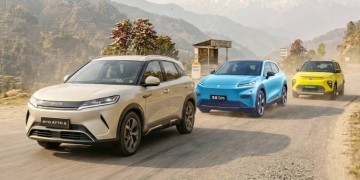
Out of the total imports in mid-April-mid-May 2026, 1,345 units were electric cars. Imports of petrol and diesel-powered cars remained very low at only 103 units during the month.
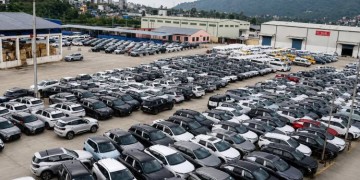
Industry sources say several companies are still selling EVs imported in large quantities last year. Many of those vehicles were brought in expecting changes in tax rates, but the government did not revise EV taxes at the time.
With the government continuing to support EV promotion, importers this year appeared less interested in building excessive stock before the budget. The slowdown has also reduced the practice of overstocking vehicles in the market.