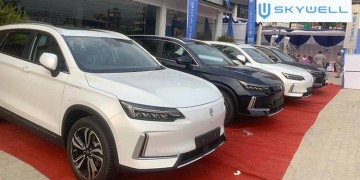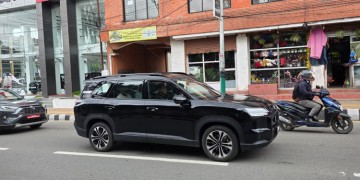
KATHMANDU: Nepal has become one of the world’s leading markets for electric vehicle adoption, with EVs now accounting for around 70 percent of new car sales. While major automobile markets such as the United States, India, and Brazil are still behind in EV adoption, Nepal has made significant progress. Government incentive policies, consumer acceptance, and opportunities created by businesses have played a major role in this growth.
Electric vehicles entered Nepal around 2010, but it took nearly a decade of challenges before EVs became established in the market. BYD is considered one of the pioneers that made EVs a recognized category in Nepal.
Cimex Inc., the authorized distributor of BYD in Nepal, introduced the BYD e6 MPV in Nepal during 2016/17. Selling the first few units was challenging, but the company gradually introduced new models. Through continuous efforts, investment, and market expansion, public interest in EVs started increasing.
From government offices to Nepali celebrities, more people started adopting EVs. The impact has been so significant that electric vehicles have become closely associated with the word “car” in Nepal. Currently, more than three dozen EV brands are available in the country.
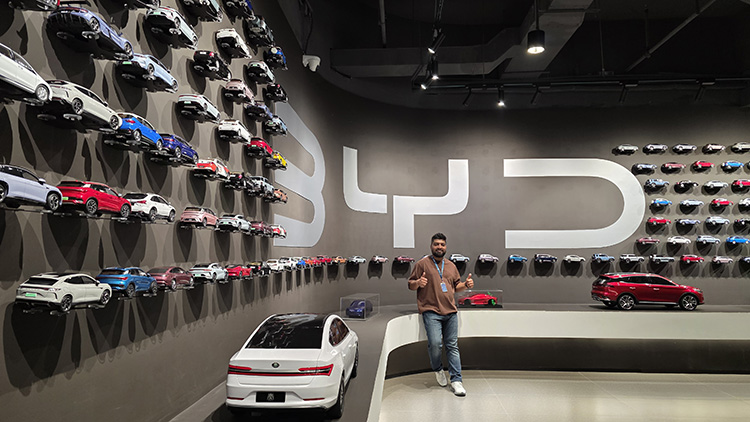
Dreams seen on the riverbank: the BYD story
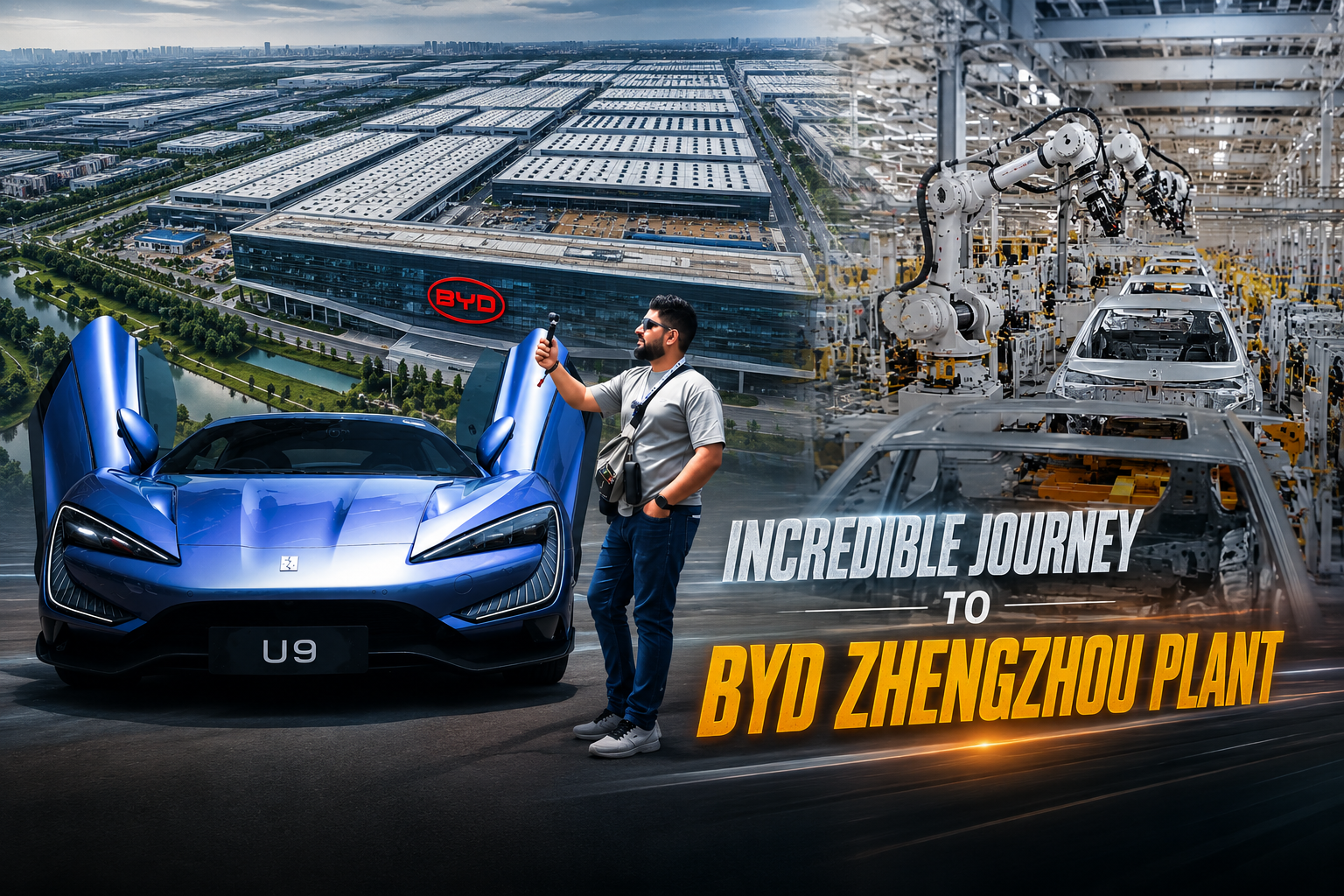
Last May, a visit was made to BYD’s headquarters, the Zhengzhou Plant, and the All Terrain Circuit in China. The visit covered BYD’s early challenges, founder Wang Chuanfu’s journey, and the company’s latest EV technologies, including fast-charging systems.
To understand BYD’s success in global markets and Nepal, the journey of founder Wang Chuanfu remains important. BYD stands for “Build Your Dream.” Wang started this dream in 1995 on the banks of China’s Pearl River.
BYD did not start as an automobile company. It started with rechargeable battery production when China was still dependent on imported batteries. BYD’s batteries later supplied major global brands, including Nokia and Motorola, and were also used in laptops and cordless devices.
After becoming successful in battery manufacturing, Wang entered the automobile sector in 2003. He acquired the struggling Chinese automaker Qinchuan Auto and established BYD Auto. Many people criticized the decision at that time, questioning his lack of automotive experience. However, Wang continued his plan.
From ICE vehicles to electric supercars
BYD launched its first self-developed petrol vehicle, the F3, in 2005. The company introduced the plug-in hybrid F3 DM in 2008. In 2009, it launched the pure electric e6, marking its entry into the New Energy Vehicle sector.
In 2022, BYD stopped producing internal combustion engine vehicles and shifted completely towards NEVs. Within 17 years of entering EV production, BYD became one of the world’s largest NEV manufacturers. The company sold more than 4 million NEVs in the last year.
BYD currently operates four brands; BYD, Denza, Fangchengbao, and Yangwang.
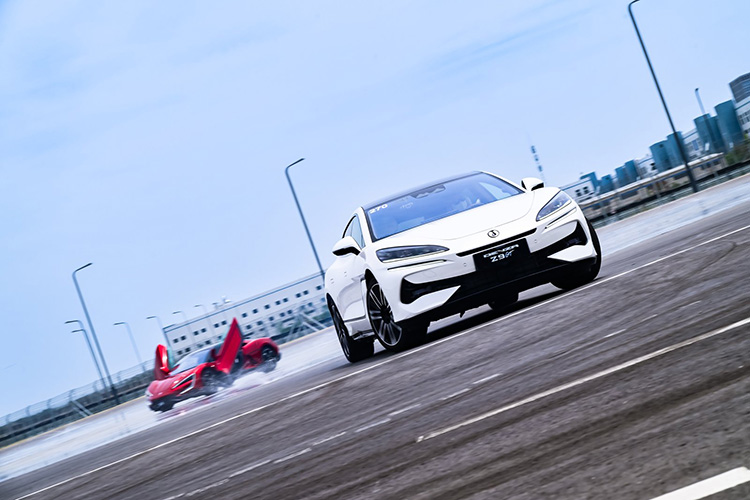
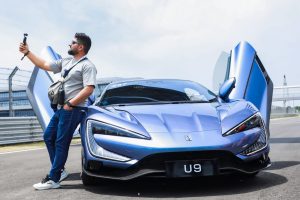
The company’s journey has now expanded from regular passenger vehicles to sports cars. The recently launched Yangwang U9 has attracted attention from global automobile markets. The electric supercar can accelerate from 0 to 100 km/h in around 2.3 seconds.
The Yangwang U9 is capable of high-speed performance as well as advanced movements such as dancing and jumping. During a test drive, the vehicle delivered a driving experience similar to a high-performance racing car.
Zhengzhou plant: world’s largest EV production facility
BYD established a new manufacturing plant in Henan Province, China, in 2023. The facility now covers around 10.6 square kilometers, making it one of the world’s largest EV production plants.
The plant has an annual production capacity of around 2 million vehicles. Around 98 percent of production work is carried out through automation. A vehicle rolls off the production line every 58 seconds.
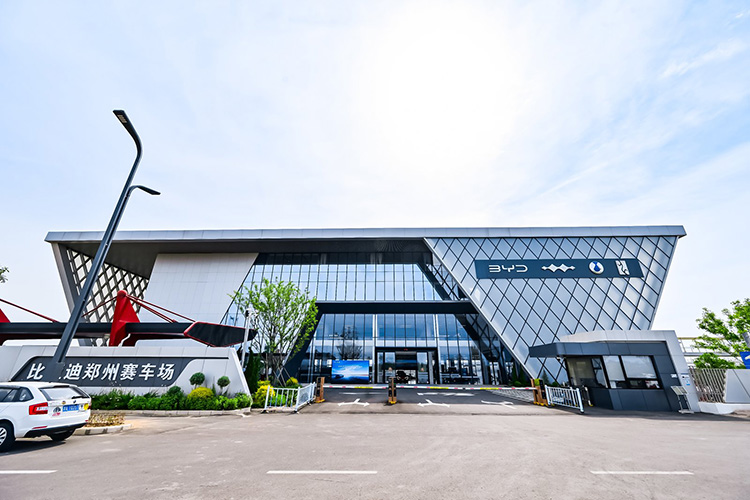
BYD plans further expansion of the facility, with the future size expected to exceed the total area of Bhaktapur district of Nepal.
The Zhengzhou Plant produces major EV components, including second-generation Blade Batteries, electric motors, power electronics, vehicle paint, and other necessary parts.
BYD has also built an All Terrain Circuit inside the plant compound for vehicle testing. During the visit, vehicles from all four BYD brands; BYD, Fangchengbao, Denza, and Yangwang, were tested, ranging from the BYD Seal to the Yangwang U9.
The Fangchengbao and Denza models showed strong capability for off-road conditions. Denza has recently entered Nepal and is positioned as a premium option suitable for Nepal’s road conditions.
Research and development drives BYD growth
BYD is not only focused on vehicle production and sales but also on research and development. The company has invested heavily in technology development.
BYD’s R&D division employs more than 120,000 people working on batteries, vehicles, intelligent systems, and new technologies. The company has filed around 70,000 patents, with approximately 30,000 already approved.
BYD files around 40 to 45 patent applications every day, with around 20 receiving approval.
The company has developed its own advanced driver assistance system called God’s Eye (DiPilot). The system is being introduced in different versions, including DiPilot 100, DiPilot 300, and DiPilot 600, across BYD’s brands.
BYD believes ADAS technology will become a standard feature in vehicles in the coming years, similar to airbags and seatbelts.
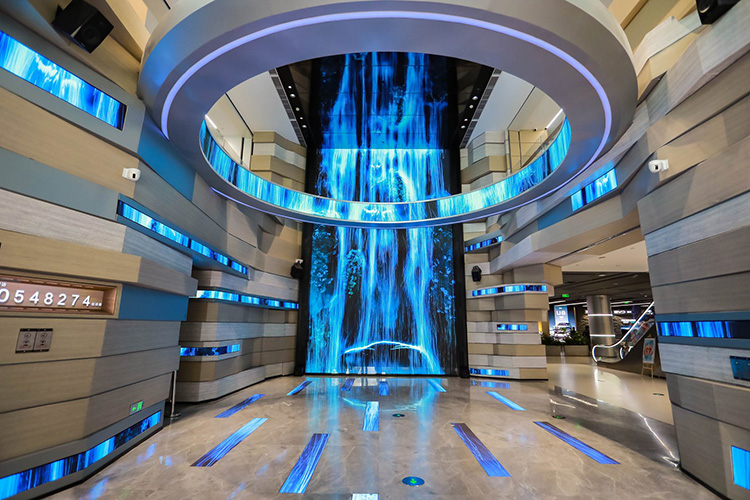
Finally, after visiting BYD’s headquarters and production facilities, it is clear that BYD is not just another automobile brand. It has become one of the major pioneers of the global NEV movement.
The company’s growth is the result of Wang Chuanfu’s vision, continuous research, and long-term investment.
The journey that started with ICE vehicles has now reached electric sports cars. With ongoing research and development, BYD is expected to introduce more advanced products in the future.
In Nepal, Cimex Inc. has played a major role in making BYD synonymous with EVs. The brand remains one of the top-selling EV companies in Nepal and continues to expand its lineup with new models, including the premium Denza brand.
In a market previously dominated by traditional automobile brands such as Suzuki, Hyundai, and Toyota, BYD has established itself as a strong competitor.