KATHMANDU: Chinese automaker BYD has filed a lawsuit against the United States government, challenging tariffs that have effectively blocked its entry into the American passenger vehicle market.
Despite becoming one of the world’s largest car manufacturers and expanding rapidly across Europe, Asia and Latin America, BYD has so far been unable to sell passenger cars in the US due to high import tariffs, according to global media reports.
Four US-based BYD subsidiaries, BYD America LLC, BYD Coach & Bus LLC, BYD Energy LLC and BYD Motors LLC, have filed the case at the US Court of International Trade.

The lawsuit challenges tariffs imposed under the International Emergency Economic Powers Act (IEEPA). It names multiple federal bodies, including the Department of Homeland Security, Customs and Border Protection, the Office of the US Trade Representative and the Treasury Department.
BYD argues that the agencies exceeded their authority under IEEPA and claims the tariff orders are legally invalid.
The legal action specifically targets nine executive orders and amendments issued since February 2025. These include tariffs related to China, as well as measures applied at the US borders with Mexico and Canada.
The company is seeking a permanent injunction against the tariffs. It is also demanding refunds for IEEPA-related duties already collected, along with interest and litigation costs.
The lawsuit references a previous case involving New York-based wine importer V.O.S. Selections, which successfully challenged the tariff authority under the same legal framework.
Although BYD does not sell passenger cars in the US, it already operates a manufacturing facility in Lancaster, California. The 550,000-square-foot plant produces electric buses and employs around 500 workers.

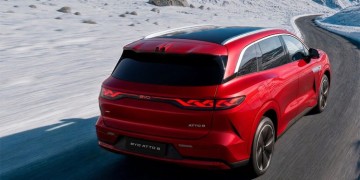
If the tariffs are overturned, it could allow BYD to expand into the US passenger vehicle market, potentially importing models from its factories in Mexico and Canada.
Industry observers suggest the case could set a precedent for other Chinese companies seeking to challenge trade restrictions through legal channels.
If successful, the move could increase competition in the US EV market by introducing more affordable electric vehicle options for American buyers.
The case remains under judicial review, and its outcome could have wider implications for global automakers and US trade policy.