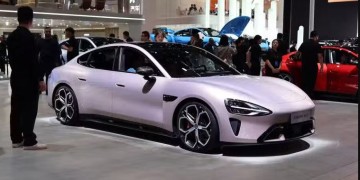
KATHMANDU: China has introduced a new national standard for vehicle steering systems that removes the requirement for a mechanical steering linkage, clearing the way for full steer-by-wire technology. The regulation will take effect on July 1, 2026.
The standard was developed with input from major automakers and tech companies, including Nio, BYD, Geely, Xpeng, BAIC, Xiaomi, Huawei, and joint ventures such as Toyota’s China EV centre and Mercedes-Benz China.
Its broad participation signals that the rule applies to a wide range of vehicles and steering technologies.
Steer-by-wire systems are already used in models like the Infiniti Q50, IM L6, Nio ET9, and Tesla Cybertruck. The Nio ET9 is China’s first mass-produced vehicle to use a full steer-by-wire setup without mechanical backup.
The new standard sets clear safety and performance requirements for both electronic and electric power-assisted steering systems.
It aligns with UN R79 and ISO 26262 functional safety levels, mandates system redundancy, and defines performance rules for scenarios such as power loss or control faults.
The standard also introduces real-time monitoring of energy management and battery performance, along with updated testing procedures and steering-effort measurements during faults.
Manufacturers must also provide documentation proving the safety of their electronic steering systems, which will undergo review and random verification tests.
By dropping the mechanical-linkage requirement and enforcing stricter safety rules, China’s updated standard sets a regulatory foundation for the wider adoption of advanced electronic steering technology in both domestic and imported vehicles, according to Chinese media reports.