KATHMANDU: China’s electric vehicle industry has entered a new phase of fast charging, where charging time is now being measured in seconds instead of minutes. Automakers and battery manufacturers are rapidly pushing the limits of charging technology, making EV charging almost as quick as a fuel stop, according to recent reports.
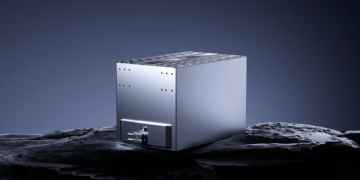
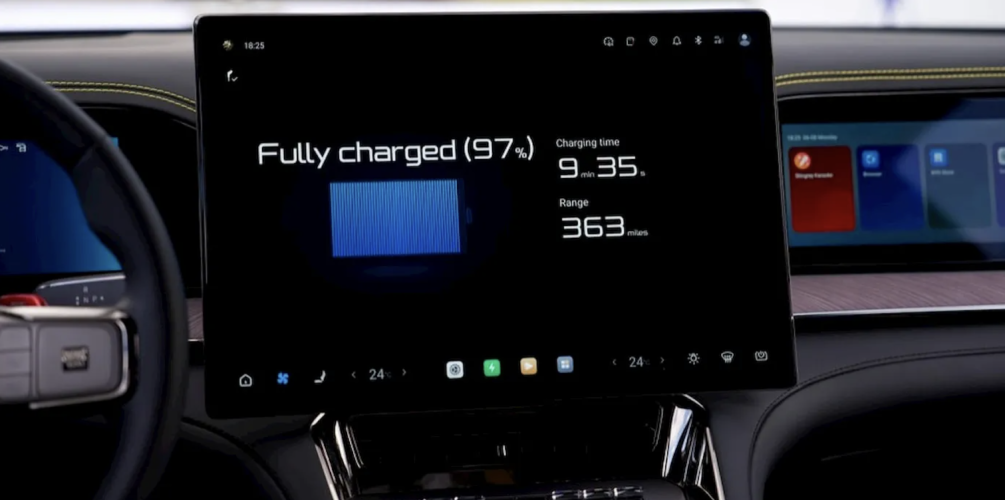
Geely-owned Lynk & Co. recently introduced its new 10 Series EVs with the company’s new Golden Brick battery. The battery can charge from 10% to 70% in just 4 minutes and 22 seconds.
BYD’s latest Blade 2.0 battery is also among the fastest in the industry. It charges from 10% to 70% in around 5 minutes and is already being used in several production models.
Battery giant CATL has also showcased next-generation charging technology. Its upcoming consumer EV battery can charge from 10% to 80% in just 3 minutes and 44 seconds, while another commercial battery supports a 20% to 80% charge in 6 minutes and 48 seconds.
Although these batteries are still under testing, they demonstrate how quickly charging technology is advancing.
China’s state-owned FAW Group has also joined the race with a battery capable of charging from 10% to 70% in 3 minutes and 41 seconds, making charging time a matter of seconds rather than minutes.
Charging infrastructure expanding rapidly
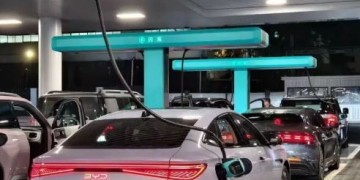
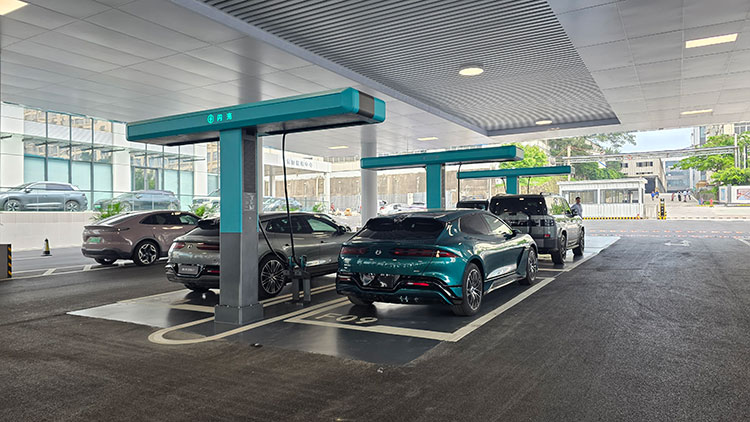
Such charging speeds are possible because China is also deploying ultra-fast charging infrastructure at a rapid pace.
Earlier this year, BYD introduced 1,500 kW flash chargers and plans to install 20,000 units by the end of 2026, with several thousand already operational. Geely and Dongfeng have also launched 1,500 kW charging systems, while Dongfeng says even more powerful chargers are under development.
Outside China, charging speeds remain slower.
In the US, Hyundai and Kia’s E-GMP-based EVs are among the fastest charging models, taking around 18 minutes to charge from 10% to 80% using compatible high-power chargers.
Europe has made better progress than the US, with several 400 kW chargers already in operation and 600 kW stations beginning to roll out. BYD has also started installing its flash chargers in Europe and plans to expand the network further.
Do ultra-fast charging times really matter?
Although most EV owners charge at home and rarely need ultra-fast charging, shorter charging times can still make a big difference. Faster charging allows more vehicles to use the same charging station each day, reducing waiting times and improving convenience, especially in cities where many people rely on public chargers.
While charging an EV in just 3 or 4 minutes may not be essential for every driver, the technology shows how quickly battery and charging infrastructure are advancing. China is now leading this race, with automakers competing to cut charging time by seconds instead of minutes.