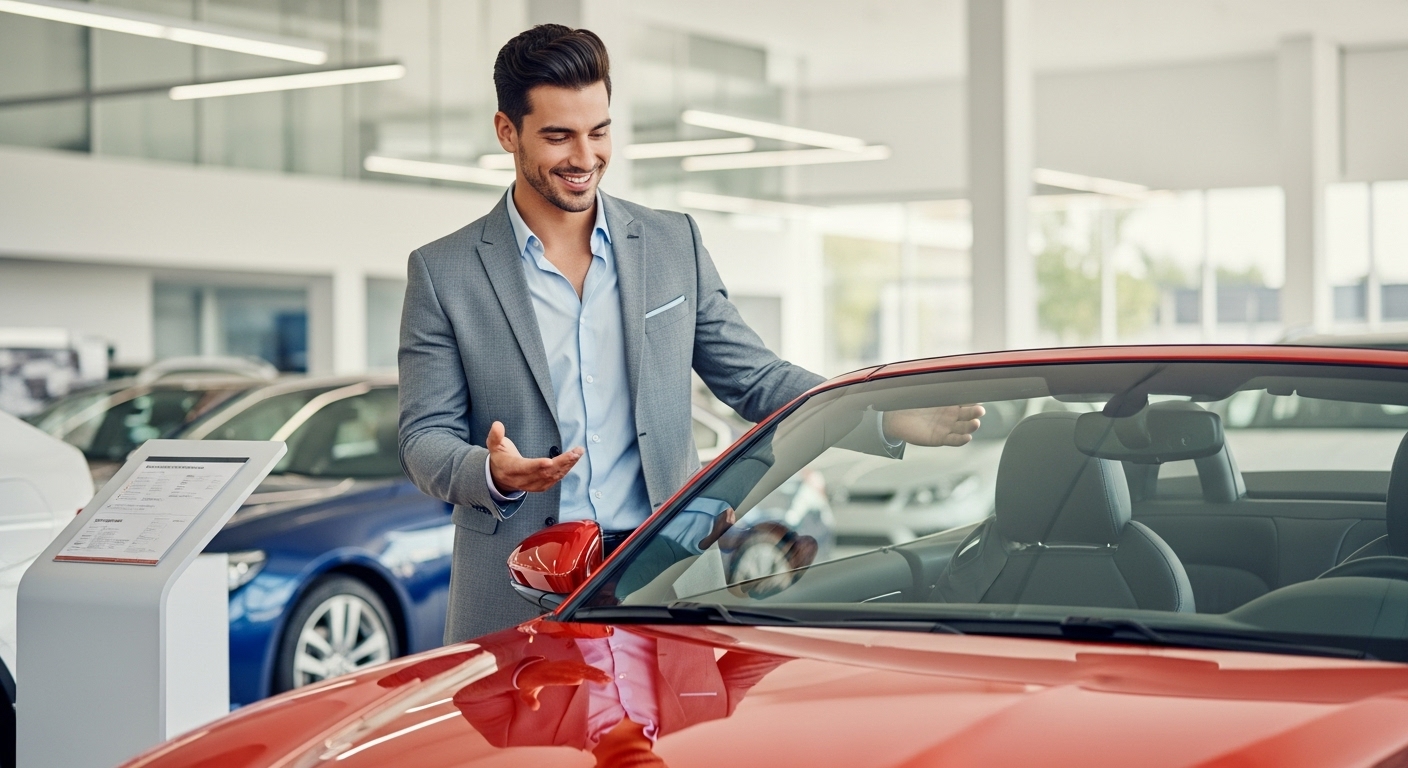
Two decades ago, a car in Nepal was more than just a vehicle — it was a statement. It reflected affluence, aspiration and achievement. For most families, owning a car was a once-in-a-lifetime event, carefully planned, emotionally driven and often financially stretched. Fast forward to today, Nepali roads have witnessed a seismic transformation — in not just the type of cars we drive, but also in how we think about mobility.
The Early 2000s: The Age of Aspiration and Taxation
In the early 2000s, Japanese imports like Toyota, Mitsubishi and Suzuki dominated the country’s automobile market. While these brands were highly regarded for their reliability and longevity, their high cost made them inaccessible to most people. Due to a cumulative tax burden that often exceeded 250% of the initial value, a car was not seen as a practical means of transportation, but rather as a status symbol.
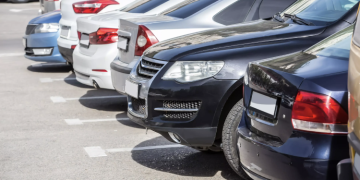
Since new cars were so expensive, only the wealthiest could afford them. This led to a thriving market for used, reconditioned vehicles. A used Prado or Pajero was often seen as more prestigious than a new hatchback. Essentially, mobility was not democratized; it was a luxury limited to a specific class, valued more for its perceived status than for its practicality.
Hyundai and Kia entered the scene with cars that actually made sense. They offered good design, better pricing and growing service networks.
Mid-2000s to 2020: Korean Inroads and Indian Evolution
Then came the Koreans. Hyundai and Kia entered the scene with cars that actually made sense. They offered good design, better pricing and growing service networks.
At the same time, Indian brands, once dismissed as cheap and basic, began their own silent revolution. Tata, Mahindra and Maruti Suzuki improved quality, added features and focused on after-sales. Nepali buyers, especially the middle class, began comparing not just badge value but also ground clearance, fuel efficiency, maintenance cost and resale value.
In this period, car buying evolved from “what others would think” to “what suits my family”. But this was still a gradual shift, mostly limited to internal combustion engine (ICE) vehicles.
Post-2020: The EV Revolution
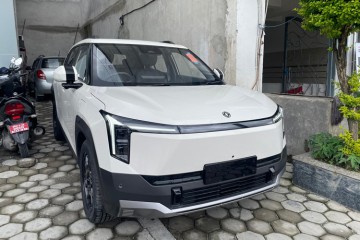
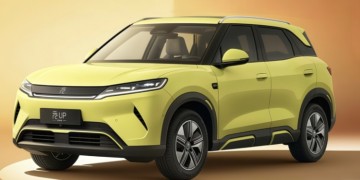
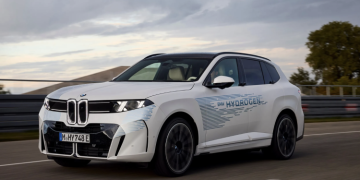
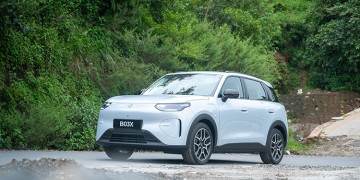
The real turning point came after 2020. The government slashed duties on electric vehicles. This brought models that once cost triple their global price within reach of everyday buyers. EVs like the Hyundai Kona, BYD e6, MG ZS and Neta started appearing everywhere.
This was not just a tax story; it was a dream fulfilled for thousands who had long desired modern, feature-rich vehicles but couldn’t justify the exorbitant price. Overnight, the government effectively democratized automotive features. Suddenly, sunroofs, advanced driver-assistance systems (ADAS), infotainment screens and digital dashboards were no longer luxuries; they were attainable.

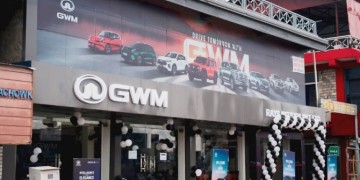
This shift in policy completely changed the consumer mindset. Brand loyalty diminished as the product became king. Consumers began to prioritize value, and lesser-known brands, which offered more features for the same price, quickly gained traction.
The decision to slash duties on electric vehicles brought models that once cost triple their global price within reach of everyday buyers.
The Rise of Feature-Centric Marketing
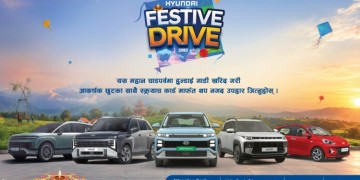
The change in consumer behavior was mirrored by a shift in marketing strategies. The focus moved away from brand reputation and toward specific product features like one-touch start, wireless AndroidAuto or CarPlay, driving range and battery warranties. Likewise, marketing became more tactical, relying heavily on limited-time offers, discounts, exchange bonuses and easy monthly installment (EMI) plans.

This new sales playbook became reactive and seasonal for nearly every brand. The entire passenger vehicle (PV) industry, which sold between 12,000 and 14,000 units annually, became dependent on these promotional schemes. Without these offers, it was nearly impossible to drive sales. This, however, is a worrying pattern for long-term brand equity.
Future Again: A Wind of Change and a Realization
Yet as we enter the mid-2020s, a small but growing wave of rationality is re-emerging. Consumers, particularly in the Kathmandu Valley and other major cities, are starting to ask deeper questions. They are no longer just focused on the initial price or features. Instead, they are asking: Who will service this car? Will spare parts be available five years from now? How will this EV perform in the winter? Can I trust the brand to honor warranty claims?
The conversation is slowly shifting beyond discounts. Important factors like rugged terrain, extreme weather, load capacity and real-world driving range are now taking center stage. This is a clear sign that the market is maturing.
As professionals, we must not ignore this evolution. Investing in your brand—not just through ads, but through product education, service infrastructure and building consumer trust—will yield better dividends than a hundred promotional schemes. Brands that only chase the price-sensitive segment will struggle when the market becomes saturated. But those that invest in value perception, after-sales confidence and long-term loyalty will build sustainable ecosystems for the future.
The car may still be a symbol, but it will no longer represent just wealth; instead, it will symbolize wisdom, planning and purpose.
What Lies Ahead: Rationalism Meets Realism
The global landscape of mobility is rapidly changing due to urbanization, digitization and a growing focus on sustainability. Nepal cannot remain an exception to this trend. As technology, information and consumer awareness make the world feel smaller, the difference between a market like Kathmandu and Frankfurt is less about the product itself and more about how companies manage customer expectations.
In a market full of sellers, the winners will be those who sell a promise—and keep it. The car may still be a symbol, but it will no longer represent just wealth; instead, it will symbolize wisdom, planning and purpose. This shift will fundamentally change how we build brands in this market.
Conclusion
Nepal’s automobile sector has undergone a significant transformation, even with its rugged roads. The next phase will not be decided in dealerships, but in boardrooms and behind the scenes, where brand builders must learn to value long-term loyalty over short-term sales volume. Simultaneously, consumers will begin to see mobility as a choice, not just a necessary cost.
Let’s stop selling cars and start building trust.