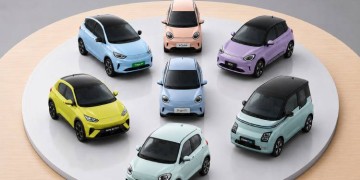
KATHMANDU: The production of low-cost electric cars is declining gradually. Until a few years ago, electric vehicles (EVs) were largely synonymous with compact, city-focused cars. However, that trend is changing with manufacturers now scaling down production of small EVs.
When Nissan introduced the electric Leaf hatchback in 2010, Tesla was preparing to launch its own premium electric model. The arrival of Nissan Leaf and Tesla cars marked the beginning of both small and large EV segments in the global market.
In Nepal, the EV movement also began with small vehicles such as the Reva and Mahindra e2o. Later, dozens of small and large electric hatchbacks as well as SUVs were made available for sale. However, sales of small EVs have been gradually declining.
Several lesser-known Chinese manufacturers also entered Nepal’s small EV market. However, most of those brands have now disappeared. Many buyers of those early models are now regretting buying them. Among the mini EVs still available, only a few, such as the MG Comet, have managed to maintain a presence in the market.
Electric hatchbacks positioned above the mini car segment were initially expected to perform well. But their market share has not gone above 10%.
Decline in production in China
Production of small EVs has weakened in China itself. The Chinese government’s new rule requiring mandatory approval for EV exports is expected to further slow down production of small EVs.
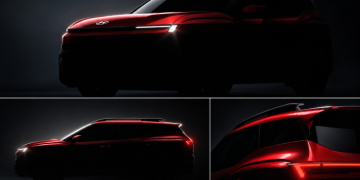
Chinese companies are increasingly focusing on larger vehicles. The average range of EVs produced in China has now reached around 538 kilometers. This suggests that manufacturers are gradually moving away from the small EV segment.
Weak demand for small hatchbacks
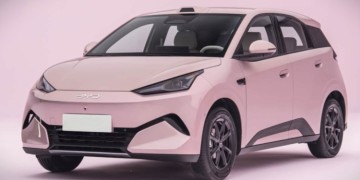
Since small EVs produced outside China are generally more expensive, they are less viable for markets like Nepal. With sales of hatchback models such as Tata Tiago EV, BYD Dolphin and Wuling Binguo already slowing down, smaller EVs have little chance of success.
Rising consumer preference for SUVs coupled with competitive pricing has made SUVs the top choice among Nepali EV buyers. Since a range of attractive SUVs priced between Rs 3.5 million and Rs 5 million has entered the market in recent months, customers are shifting away from smaller cars.
New buyers turning to used car market
Most mini or family hatchback EVs are priced between Rs 2 million and Rs 3 million. Since these cars offer small motors, limited battery capacity and a range of under 200 kilometers, they do not attract first-time buyers.
Given Nepal’s geography, which often requires long-distance travel, many buyers still prefer used petrol cars over small EVs. As a result, the used car market is emerging as the more practical option for many consumers.