The NAIMA Nepal Mobility Expo 2025 at Bhrikuti Mandap is drawing record crowds. Visitors are getting a rare opportunity to explore the latest in electric vehicle (EV) technology. But amid the gleaming bodywork and bold exterior designs, one trend has caught the attention of many visitors — many EV interiors look almost the same.
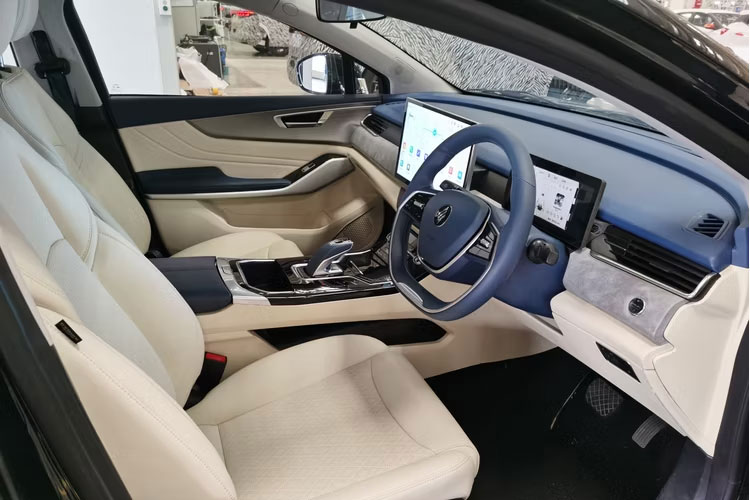
From BYD’s versatile Sealion 7 to MG’s stylish IM 6, Leapmotor’s sleek B10 to Jaecoo’s compact J5, each has a unique exterior design. But if you step inside any of these vehicles, the similarities stand out: a large central touchscreen, minimalist dashboard, soft ambient lighting and a spacious flat floor layout.
“When you look from the outside, they are all unique. But inside, it feels like I am stepping into the same car over and over again,” one visitor, who had tried several models, told this scribe.
Minimalism as the New Luxury
Industry analysts say this uniformity comes from both technological trends and changing market tastes. Around the world, EV makers are embracing a “tech luxury” formula that emphasizes clean lines, fewer buttons and seamless integration of digital controls.
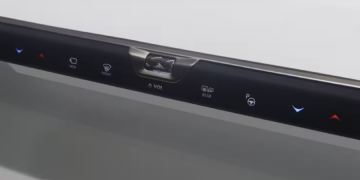
Across the models showcased at the expo by BYD, Zeekr, Proton and Leapmotor, the similarities are hard to miss. Oversized infotainment screens dominate the center console, while fully digital instrument clusters have replaced traditional dials. Touch and voice controls are reducing the need for mechanical switches. Similarly, flat-floor platforms, made possible by batteries mounted beneath the vehicle, create more cabin space. Even the materials are converging, with sustainable premium finishes promoting an eco-conscious image.
Shared Components and Platforms
This uniformity is also because of shared supply chains. Many manufacturers use the same global suppliers for displays, software systems, steering wheels and even seat materials. In some cases, platform-sharing by brands shapes the cabin architecture itself. Even if the exterior panels differ, the chassis, floor height and control layout often stay the same.
Hyundai and Kia, for example, use an identical infotainment system with matching software and infrastructure. The only differences in cars made by these corporate siblings are branding and minor visual tweaks.
Balancing Familiarity and Brand Identity
Cost efficiency plays a big role in these decisions. Designing a unique interior for every model is expensive. Further, a certain level of familiarity also helps customers feel comfortable when switching models or upgrading within the same brand.
“The goal is to deliver a modern, premium experience without confusing the driver,” said an automotive design consultant. “This often means following industry-wide design standards, even if it reduces uniqueness.”
A Talking Point at the Expo
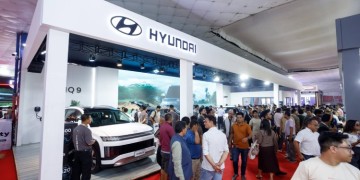
With more than 50 national and international brands, the NAIMA Nepal Mobility Expo 2025 has made this design trend impossible to miss. Side-by-side display of multiple EV models let visitors to compare interiors directly, sparking lively debates about the industry’s move toward a common cabin style.
As EV adoption grows globally, automakers may face pressure to break this pattern. The challenge will be to keep the functional benefits of the minimalist, tech-driven approach that has become the signature of the electric age.