KATHMANDU: About a year ago, I was talking to the CEO of an electric vehicle company about service, customer expectations, and rising complaints. During the conversation, he said, “Many EV customers consider themselves a slightly different class of consumers.”
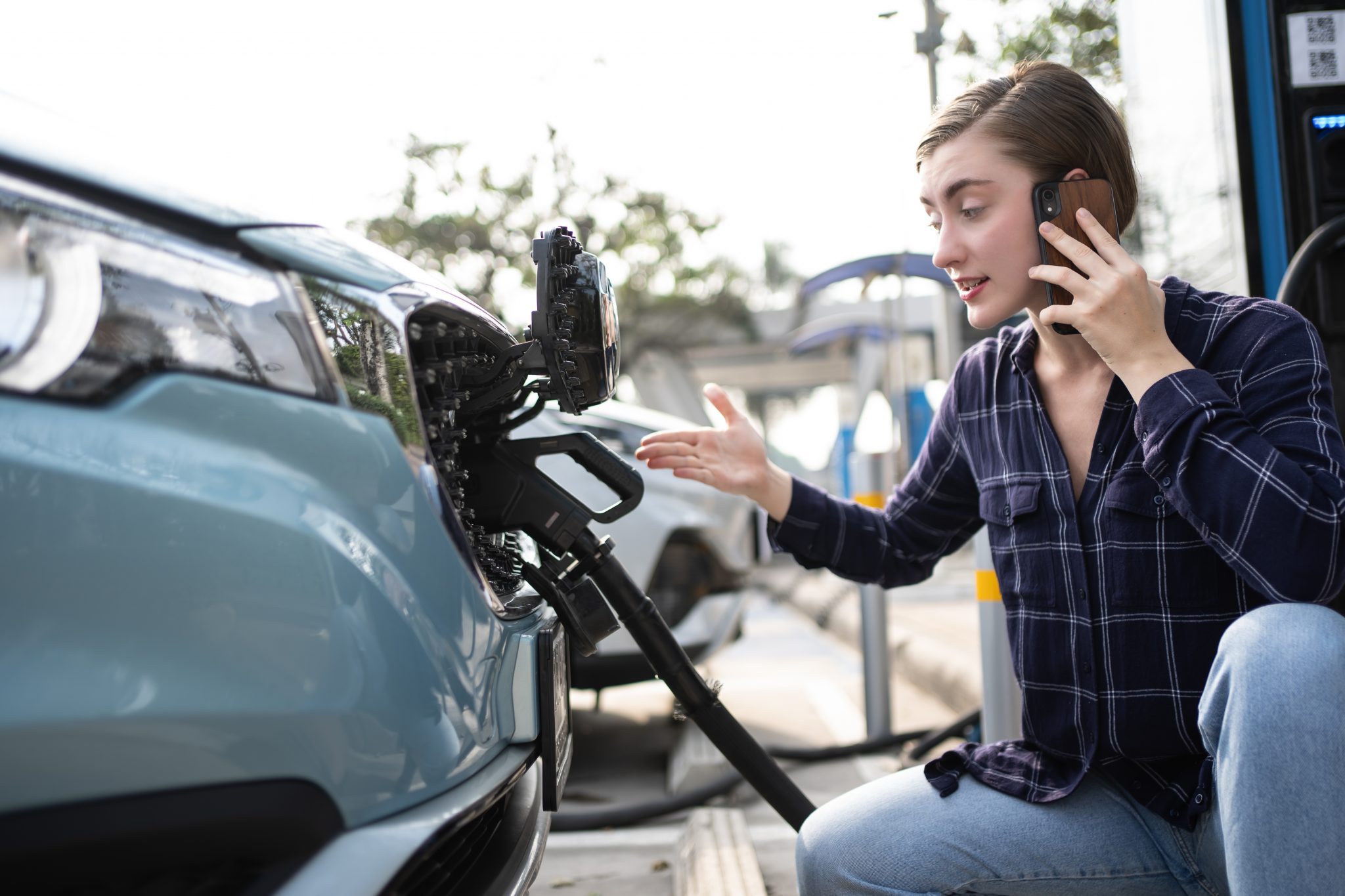
He shared an example, saying some customers expect the company to come and repair their vehicle’s flat tire on the road. Some even expect the company to visit their home for such issues. Otherwise, they threaten to post about it on social media and make it public.
At that time, I felt he might have exaggerated the situation. However, some incidents that came to light later made me realize that his statement was not just an exaggeration.
One day, a doctor called me in an angry tone. His complaint was, “You only write about the positive side of companies and hide their weaknesses. I was cheated after buying a car, and you are also responsible for this.”
After listening carefully, I asked, “What exactly is the problem? Is the vehicle not running? Which parts are damaged?”
He replied, “There is no motor. How can it run?”
Later, I found that his vehicle had been submerged during the previous rainy season, which damaged the motor. His main complaint was that the vehicle was not returned immediately after the motor replacement.
This raises an important question. Can such a situation be considered the company’s fault? Or does it take time to repair a vehicle damaged by external factors such as flooding? This incident showed that there is still a gap between expectations, information, and reality among EV users and sellers in Nepal.
High hopes, hard realities: the gap nobody’s talking about
The EV market is not new in Nepal, but it is still developing. Consumers are adopting new technology, but many do not fully understand the service process, spare parts availability, charging system, and maintenance requirements.
Important EV components such as the motor, battery pack, and control unit are not as easily available as traditional petrol and diesel vehicle parts. Some parts are expensive, some require regulatory procedures, and many are supplied through a “just in time” system.
Parts imported from China and other manufacturing hubs may take time to arrive.
However, from a customer’s perspective, the expectation is simple: “I bought a car, and if it breaks down, I need an immediate solution.”
This is where the conflict begins. Companies explain the process, import timelines, approvals, costs, and technical limitations. Customers expect quick solutions instead of explanations.
Both sides may have valid points, but the main issue is expectation management.
Instant justice: trend or threat?
A large number of people now discuss EVs, share reviews, and raise complaints on social media as experts. Some complain about charging costs, some question spare part prices, and some publicly criticize companies for service delays.
Consumers raising concerns is necessary. However, problems arise when emotions dominate facts.
Some common complaints seen on social media include:
– Subsidized EVs are being sold with high dealer margins.
– Spare parts are unusually expensive.
– Charging stations charge up to Rs 20 per unit.
– Some stations charge per unit while others use percentage-based systems.
– Service centers have not expanded according to the number of vehicles sold.
These questions are valid. However, answers should be based on economic and political realities rather than emotional conclusions.
Subsidy vs. profit: know the difference
EVs in Nepal have lower taxes compared to petrol and diesel vehicles. This has supported EV adoption in the market.
However, the argument that dealers should not make profits because EVs receive tax benefits does not match business reality.
Vehicles are still considered high-value consumer products under government policy. Businesses investing in this sector have to manage showroom costs, charging infrastructure, inventory, service facilities, financial expenses, and market risks.
Making a profit is a normal part of business. The key question is whether the profit structure is transparent, fair, and competitive.
Charging fees: fair or foul?
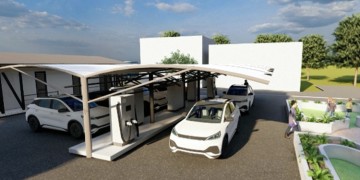
Another common complaint is that private charging stations are expensive. This concern may be valid to some extent. However, government-backed charging stations and private charging networks operate differently.
Public charging stations often have government investment and infrastructure support. Private charging stations have different costs, including land rent, charger investment, billing systems, employees, security, maintenance, loan interest, and return on investment.
A charging station built with significant investment cannot operate only as a service facility. It is also a business.
However, this does not mean private operators can charge without limits. The government should ensure transparent pricing, encourage per-unit billing, and separate service charges clearly.
More EVs, but is infrastructure keeping up?
This is one of the most important criticisms. EV sales in Nepal have grown rapidly since 2021. The number of EVs on Nepal’s roads has crossed 70,000 units in around five years.
But have service centers, skilled technicians, diagnostic tools, spare parts networks, and customer support systems expanded at the same pace?
This is where many companies appear to be struggling.
Selling EVs is not the biggest challenge. The biggest challenge is creating a system that can provide reliable service for customers over five to seven years after purchase.
Many importers have faced criticism for not investing enough in after-sales support. However, all companies cannot be viewed the same way. Many are now expanding service centers, training technicians, improving spare part supply chains, and developing charging networks.
Conclusion
Nepal’s EV market is currently in a transition phase. Consumers are adopting new technology, but expectations sometimes go beyond the current level of service infrastructure.
On the other hand, dealers are actively selling EVs but still need improvement in after-sales service, spare parts availability, and complaint handling.
The issue cannot be viewed from only one side. Not every complaining customer is unreasonable, and not every business is irresponsible.
The main challenges are excessive expectations and limited infrastructure.
Consumers should understand that EVs are machines with their own limitations, risks, and service processes. Businesses should also understand that selling EVs is not only about delivering vehicles but also building customer trust.
A balanced approach from both sides will help create a market where EV users do not see themselves as a different category of consumers but choose electric vehicles with confidence.