KATHMANDU: Madhesh Province has adopted a value-based annual tax system for electric vehicles, following the federal government’s recent policy. The new provision has been introduced through the Economic Act 2083 and came into effect from today.
Under the new system, annual vehicle tax for both electric two-wheelers and four-wheelers will now be calculated based on the vehicle’s value instead of its motor power.
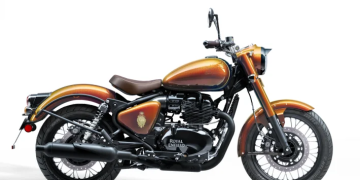
For private electric motorcycles, scooters and mopeds, vehicles priced up to Rs. 250,000 will attract an annual tax of Rs. 2,000. Those priced between Rs. 250,000 and Rs. 300,000 will pay Rs. 3,000, while vehicles priced above Rs. 350,000 will be charged Rs. 5,000 annually.
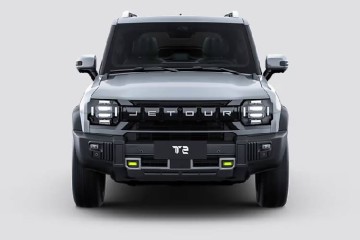
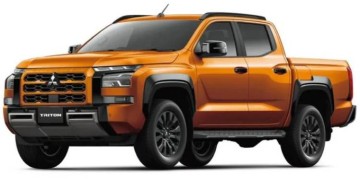
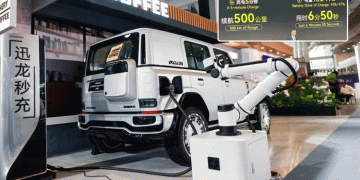
Private electric four-wheelers will be subject to annual tax ranging from Rs. 11,000 to Rs. 40,000. EVs priced up to Rs. 3 million will pay Rs. 11,000, those priced between Rs. 3 million and Rs. 5 million will pay Rs. 15,000, vehicles costing Rs. 5 million to Rs. 10 million will pay Rs. 25,000, and EVs priced above Rs. 10 million will attract an annual tax of Rs. 40,000.
The Act also sets an annual tax of Rs. 3,000 for electric auto-rickshaws and e-rickshaws.
According to the Act, the vehicle’s value will be based on the customs-assessed value plus all applicable duties for imported vehicles. For locally sold vehicles, the value mentioned in the VAT invoice, including VAT, will be considered.
Public and commercial electric vehicles will receive a 50 percent discount on the annual tax applicable to private vehicles.
The federal government introduced a similar value-based taxation system for imported EVs through the current fiscal year’s budget, replacing the previous motor power-based structure. Madhesh Province has now adopted the same approach for annual vehicle taxation.
With this change, Madhesh has become the only province to levy annual EV tax based on vehicle value. All other provinces continue to calculate annual EV tax based on motor output (kW).