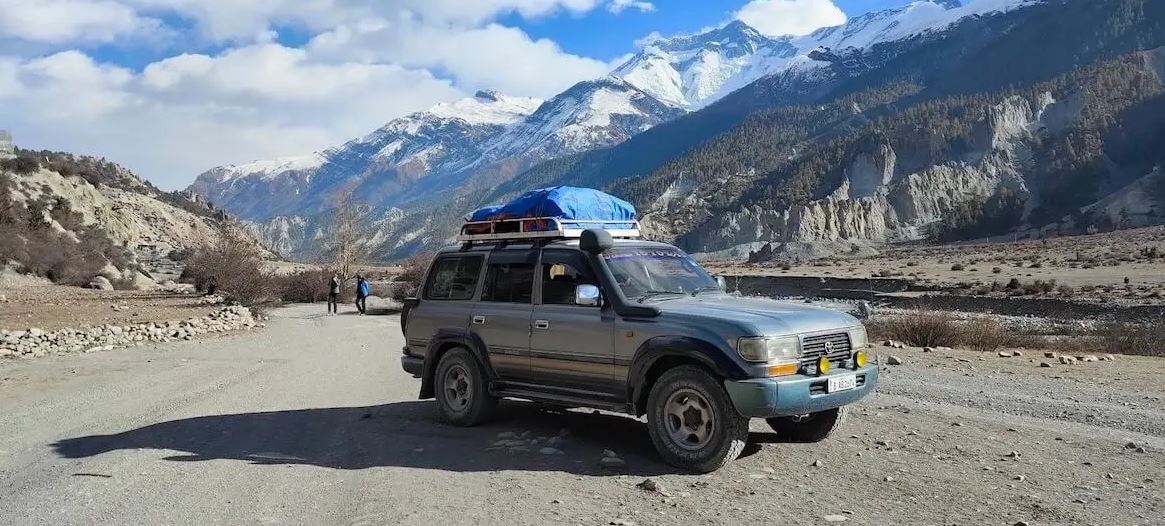
Car culture is more than just buying vehicles; it is a passion, lifestyle, and in may places, a major source of tourism income. Think of rally cars kicking roaring through the deserts of Dubai, vintage parades rolling through London, neon-lit night meets in Tokyo or scenic EV tours in Norway.
Nepal has something even more special: the mountains, winding roads, breathtaking landscapes and rich culture. Imagine inviting car clubs from across the globe — the BMW Owners Club and the Land Rover Heritage Group — to take exclusive drives along our scenic routes. Picture them cruising from Kathmandu to Pokhara, powering through Mustang’s rugged passes, or rolling in EV convoy to Rara Lake.
Such journeys would do more than thrill the drivers; they would put Nepal on the world map of road-trip tourism. Hotels, restaurants, roadside cafés and local communities would all feel the ripple effect.
What The World Is Doing
Other countries have shown what is possible. Dubai draws thousands of visitors every year with off-road desert safaris. In Norway, EV road trips are so popular that tourists renting electric cars just for the fjord routes. Similarly, in Japan, car enthusiasts travel across the country for rare auto shows, spending freely on hospitality, shopping and dining. Nepal can match all these and even outshine with our own twist. From Himalayan rally routes to annual luxury car tours, every trip in Nepal could become both an adventure an cultural immersion for visitors.

One day, the gentle hum of electric motors and the deep rumble of sports cars on the highway to Pokhara could join the flutter of prayer flags in the Himalayan wind.
The government needs to take bold, creative steps to make this vision real. Here is what the government can do to add value:
1. Allow Custom Number Plates: Many countries sell unique number plates with special numbers, words or symbols for high fees. One number plate sold for over a million dollars in the UK. Premium custom number plates could become both a revenue stream for the government and an opportunity for owners to show personality. Imagine a plate reading EVEREST on a Land Cruiser or HIMALAYA on a BMW X5.
2. Reduce Extreme Taxes: Fairer taxes for clean-tech vehicles, adventure SUVs and sport models like BMW Motorsports would attract more enthusiasts to Nepal, encourage events and boost tourism spending.
3. Support Car Tourism Events: We can organize signature tourism events such as a “Himalayan Auto Week” featuring luxury drives to Mustang, vintage rallies in Kathmandu and EV convoys to scenic destinations. We can invite foreign car clubs and create office rally routes that double as tourist attractions.
4. Build Driving Parks & Test Tracks: Driving parks and test tracks in places like Pokhara or Chitwan would allow safe racing events, off-road challenges and public test drives, turning motorsport into a tourist attraction while keeping dangerous driving off public roads.
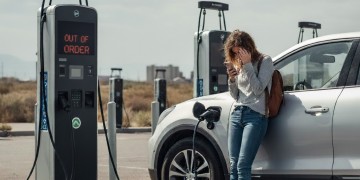
5. Develop Reliable Charging Network: Charging networks along highways and tourist routes using our clean hydropower would make it a bucket-list destination for electric road trippers from India, China and beyond.
6. Legalize & Guide Vehicle Modifications: Regulating vehicle modifications through certified workshops could ensure safety while opening new business opportunities and creating jobs.
7. Encourage Vehicle Assembly & Training: Allowing assembling of cars within the country
would lower prices, create skilled jobs and train a new generation in automotive engineering and design.
The Road Ahead
Nepal’s car culture is like a powerful engine waiting for the signal to ignite. For too long, it has been dismissed as a luxury pastime. But with the right vision, it could be a powerful driver of tourism, employment and global recognition. If policymakers pair fair regulations with smart infrastructure and creative ideas — from premium plates to EV corridors and international club invitations, Nepal could become South Asia’s ultimate road-trip destination.
One day, the gentle hum of electric motors and the deep rumble of sports cars on the highway to Pokhara could join the flutter of prayer flags in the Himalayan wind. The wheels are ready. The only question is — will we start the journey?