In Nepal, buying a car is more than just a purchase. It is an achievement, a family dream and for many, a symbol of progress. But since it involves such a large investment, one wrong decision can leave long-term impacts on your finances, comfort and even peace of mind.
One of the major challenges is that many people get confused between what they need and what they want when buying a car.
Why Confusion Happens
Marketing is a powerful tool. Brands know how to create desire. They show their products on smooth highways, open fields, or luxury lifestyles. They make every model look like the perfect match for your life. Slowly, without even realizing it, many of us begin to believe that we “need” a bigger, more advanced, or more luxurious car than what suits our daily life.
But the truth is, not all cars are right for everyone. The dream vehicle in an advertisement might not fit your family size, your parking space, your road conditions, or your income level.
There is nothing wrong with wanting more. But when want overtakes need, you might have to regret in the future.
The Difference Between Need and Want
A need is something that serves your everyday life. It is about daily use, affordability and fitting into your lifestyle. It is about choosing a car that is fuel-efficient, easy to park and within your budget.
A want, on the other hand, is driven by emotion. It is about looks, brand, social status or features you rarely use. There is nothing wrong with wanting more. But when want overtakes need, you might have to regret in the future.
Why This Mistake Hurts More in Nepal
The consequences of choosing the wrong car are amplified in Nepal:
High Cost: Due to heavy taxes, cars here are far more expensive than in most countries. A slight difference in choice will cost hundreds of thousands of rupees extra.
Loan Burden: Most buyers depend on bank loans to finance their purchase. Stretching beyond your needs can put continuous pressure on your family income due to high EMIs.
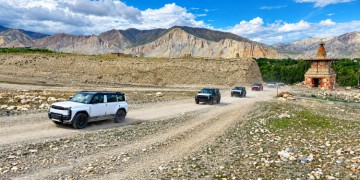
Road Conditions: Our roads, parking spaces and traffic patterns are not always suited for every type of vehicle.
Running and Resale Costs: A car that is not suited to common Nepali needs often has poor resale value, and costs more in service and maintenance.
Making the Right Choice
First, take your time. Don’t let discounts, showroom excitement, or advertisement rush your buying decision.
Second, think practically. Consider your commute, family size, road conditions and parking situation before making a decision.

In a country where most people work hard for every rupee, a car should bring peace, not pressure.
Third, calculate the real cost. The showroom price is just the beginning; what really matters is the total cost that follows. Before making a decision, consider fuel or electricity costs, regular servicing charges, availability of spare parts, strength of service network across the country, the dealer’s commitment to after-sales service, and the rate of depreciation over time.
Fourth, talk to your family, not just the salesperson. This is because they understand your routine better than anyone else.
Final Thought
In a country where most people work hard for every rupee, a car should bring peace, not pressure. A vehicle chosen with a clear sense of need becomes a faithful companion. On the other hand, one chosen just to impress others may give a few days of pride but years of regret.
So before you sign the papers, ask yourself the most important question: “Am I buying this because it truly fits my life—or because I was made to believe I need it?”
That one honest answer can save you money as well as years of regret—and help you drive home not just a car, but the comfort, freedom and satisfaction you deserve.