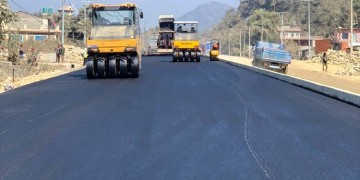
KATHMANDU: Nepal is set to use Full Depth Reclamation (FDR) and Superpave asphalt technology in road construction for the first time. The technology is being introduced as a pilot project on the 40-kilometer Dhankhola–Lamahi road section in Dang.
The project is being built with a grant from the Millennium Challenge Corporation (MCC) of the United States.
Under the MCC program, a total of 77 kilometers of road is being upgraded from Bhalubang in Dang to Shivakhola in Banke. The Dhankhola–Lamahi section has been selected for the first phase.
The construction contract has been awarded to Sharma–Kumar JV, a Nepali company, at a cost of USD 20 million (around Rs 2.9 billion), excluding VAT. The contract was signed in December 2024 and must be completed within two years.
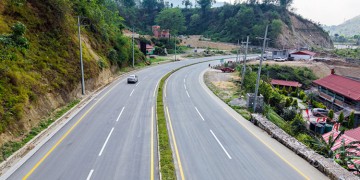
The road will be widened to 12 meters, including a 7-meter carriageway and 2.5-meter shoulders on both sides.
What is FDR and Superpave?
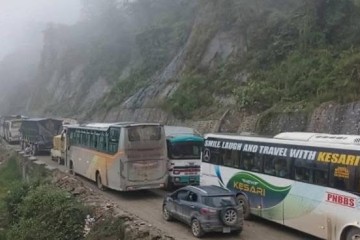
At present, most roads in Nepal are built using DBM (Dense Bituminous Macadam) technology. This method uses new construction materials and adds new layers over old blacktop during upgrades, often making the road uneven. VG-grade bitumen is commonly used.
FDR and Superpave are modern road construction technologies that started in the 1980s in the US and Europe and are now used in several Asian and African countries. This is their first use in Nepal.
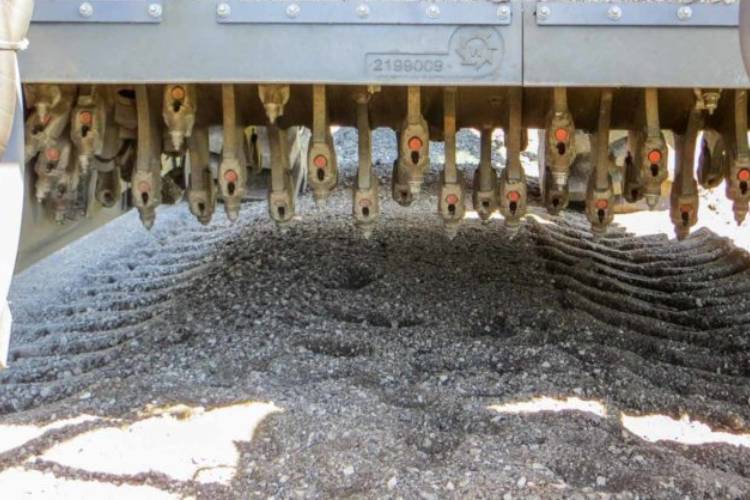
According to Rohit Sharma, RMP Manager at MCA Nepal, FDR and Superpave work as two complementary layers. FDR forms the lower layer, with a thickness of 250 to 300 mm, depending on road design.
It is made by grinding old road materials and mixing them with cement, lime, and bitumen. This layer has a high load-bearing capacity.
The Superpave layer is placed above FDR. It is asphalt-based like DBM but uses Performance Grade (PG) bitumen, which is more durable and suitable for varying weather conditions. This improves road strength, safety, and lifespan.
Reuse of old road materials
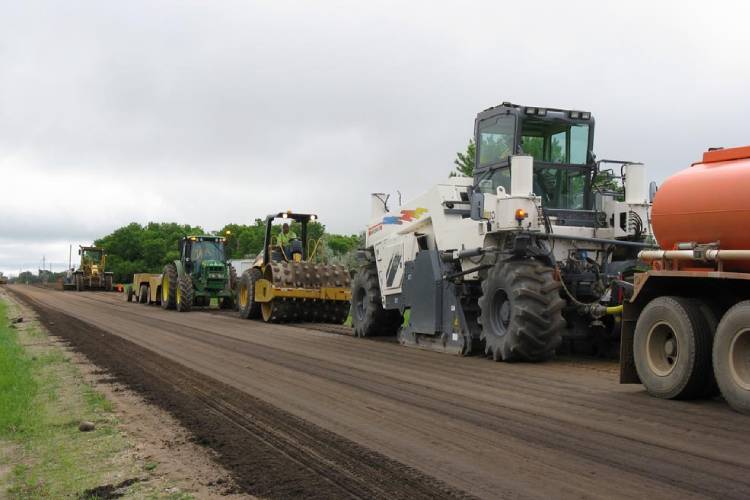
A key feature of FDR and Superpave technology is material reuse. Gravel and old blacktop from damaged roads are recycled on-site using a pulverizing machine. The materials are crushed, mixed with cement, and reused as the base layer.
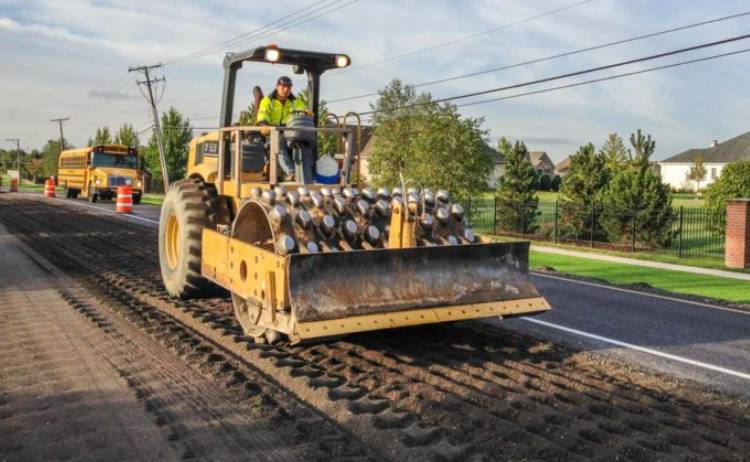
This process helps reduce construction time and cost. According to MCA Nepal, upgrading roads using FDR can cut costs by up to 30 percent compared to DBM. It also reduces the need to transport new materials and lowers construction waste, making it more environmentally friendly.
Longer road lifespan
FDR and Superpave roads are expected to be more durable than DBM roads. DBM roads usually need resurfacing after about five years, while FDR and Superpave roads can last 10 to 15 years if properly designed and maintained. They also perform better under heavy traffic and changing weather conditions.
Officials say this technology will be especially useful for old highway upgrades, industrial corridors, and roads that are frequently damaged. If the pilot project proves successful, the government plans to use FDR and Superpave technology on other roads across Nepal in the future.