KATHMANDU: Despite a slowdown in the overall automobile market following the Gen Z movement, Chinese cars continue to attract strong consumer interest in Nepal. Economic activity has weakened, and economic growth is projected to decline by around 3 percent, affecting the broader business cycle.
Currently, nearly five dozen vehicle brands are available in the Nepali market. Most are imported from China, while Indian, Japanese, European, and American brands also maintain a presence.
With the rapid growth of electric vehicle sales, several new brands have entered the market. The number of Chinese brands has increased significantly, shifting consumer focus from brand loyalty to vehicle model, design, and value.
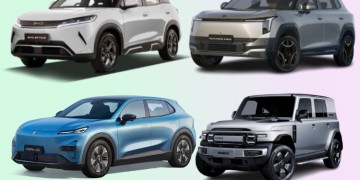
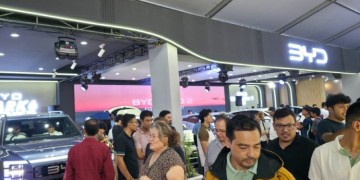
Brands such as BYD, MG, Omoda, Jaecoo, iCaur, Deepal, Dongfeng, and Leapmotor are currently performing strongly. Most of these brands are operating with a limited product lineup, often focusing on one core model.

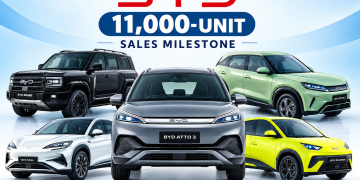
Among them, BYD leads the market in overall sales volume. The brand has also been successful in launching multiple models simultaneously. Distributor Cimex Inc. introduced three BYD models; Atto 1, Atto 2, and Sealion 7, within a single month of August. Each model has established a strong position in its respective segment.
MG, represented by Paramount Motors in Nepal, has stabilized its sales through the launch of the S5 SUV. The model has now become the preferred choice among MG buyers.
SPG Automobiles, which represents the Omoda, Jaecoo, and iCaur brands, has seen strong attention towards the newly launched iCaur models. The Jaecoo J5 is also new to the market, while the iCaur V23 is drawing the highest level of consumer attention.

Deepal is gradually being positioned as a premium brand in Nepal. After gaining attention with the S07, the brand has further strengthened its presence with the introduction of the S05.
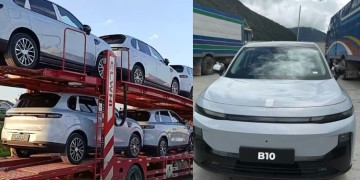
Other models such as the Dongfeng Nami and Leapmotor B10 are also helping to establish their respective brands in the market. Overall, consumers appear to be looking for vehicles with distinctive design and a different market identity.

Alongside design, pricing has become a decisive factor. Rising competition among Chinese brands has led to more aggressive pricing, offering better value to buyers.
At present, consumers are making electric vehicle purchase decisions mainly based on design, features, and price rather than long-established brand names.