KATHMANDU : Electric vehicles (EVs) have dominated Nepal’s passenger car market over the past four years. Now, the arrival of new plug-in hybrid (PHEV) and extended-range electric vehicle (EREV) models is adding a new dimension to the market.
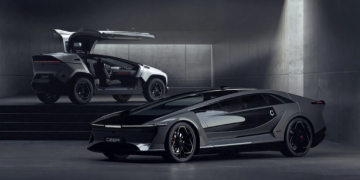
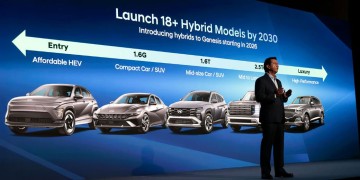
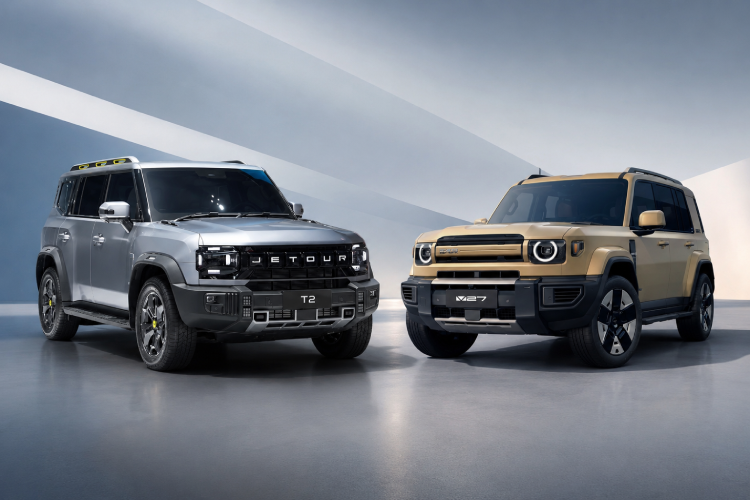
Plug-in hybrid vehicles are not new to Nepal. Brands such as Mitsubishi and BMW introduced the technology years ago. More recently, Chinese automakers including Denza and Jetour have entered the segment with new models.
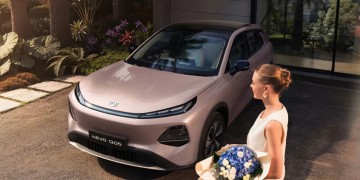
The EREV segment, however, is making its debut in Nepal with the launch of the iCAR V27. Unlike a conventional hybrid, an EREV is driven entirely by its electric motor, while a petrol engine works only as a generator to recharge the battery. The introduction of this technology has sparked discussions about which electrified powertrain is better suited for Nepal.
Which is more suitable for Nepal?
For buyers looking to reduce emissions while using Nepal’s abundant hydropower, a plug-in hybrid is the more practical choice.
A PHEV can be charged directly from the electricity grid for daily commuting. When traveling long distances, its petrol engine provides additional driving range, eliminating concerns about charging availability. The combined output from the electric motor and engine also delivers strong performance.
Although a plug-in hybrid still burns petrol during highway trips, most daily journeys can be completed in electric mode. This helps reduce fuel consumption and carbon emissions. In many cases, the price of a PHEV is also comparable to that of a similarly sized petrol SUV.
An EREV operates differently. Its petrol engine does not drive the wheels. Instead, it generates electricity to recharge the battery, allowing the electric motor to power the vehicle at all times.
This setup offers impressive driving range and can deliver an average fuel efficiency of around 30 to 35 km per liter of petrol. While the technology provides significant savings on long-distance travel, the generator engine runs more frequently, resulting in higher emissions than a plug-in hybrid operating mostly in EV mode.
Both technologies are well suited to Nepal, particularly for buyers who frequently travel in remote or mountainous regions where charging infrastructure is limited. However, battery electric vehicles remain more affordable, which continues to make them the preferred choice for many Nepali consumers.
Which technology does the government favor?
Nepal’s tax policy currently appears to favor plug-in hybrids.
Plug-in hybrid vehicles are subject to a fixed 60 percent Clean Infrastructure Investment Fee. EREVs, on the other hand, are taxed based on the engine size of their generator unit, resulting in different tax rates for different models.
Both technologies attract an 80 percent customs duty and the same road construction fee. In practice, the pricing advantage for plug-in hybrids is relatively small, estimated at around five percent.
Demand for EREVs is increasing in international markets as manufacturers introduce more models with longer driving ranges and improved efficiency.
From a technical, economic and environmental perspective, both PHEVs and EREVs offer practical solutions for Nepal. However, Nepal’s current tax structure continues to treat hybrid vehicles similarly to conventional petrol and diesel models, making them significantly more expensive.
Industry observers believe that if the government introduces incentives or tax reductions for hybrid vehicles, they could become one of the most practical mobility options for Nepal, particularly for buyers seeking long-range capability without relying entirely on public charging infrastructure.