KATHMANDU: The upcoming fiscal year 2026/27 budget is bringing major changes to how electric vehicles are taxed in Nepal. The shift will push prices up across the board but premium SUVs will feel it the most.
The government has moved away from taxing EVs based on motor power. Now, tax is calculated based on the vehicle’s price. Excise duty has been removed, but a new “Clean Infrastructure Investment Fee” has taken its place.
Current customs duty on EVs stands at 20 percent, with a 5 percent road construction fee and 13 percent VAT. The new infrastructure fee is layered by price starting at just 2.5 percent for vehicles under Rs 2 million, and climbing all the way to 130 percent for vehicles above Rs 5 million.
Entry-level EVs will see a modest increase of around 3 percent. Mid-range models may go up by about 8 percent. Premium EVs, however, face a steep climb.
Cars that previously sold for Rs 6 to 7 million could now cost close to Rs 10 million. Total tax in the top bracket can reach as high as 230 percent.
A closer look at the numbers
For vehicles priced between Rs 4 and 5 million, the difference is significant.
Under the old system, a 100-200 kW EV faced 30 percent customs duty, 20 percent excise duty, a 5 percent road fee, and 13 percent VAT; totaling around 85 percent in tax.
A vehicle with a CIF value of Rs 4.9 million would reach roughly Rs 7.5 million after taxes.
Under the new system, the same price range attracts 20 percent customs duty, a 90 percent infrastructure fee, 5 percent road fee, and 13 percent VAT; pushing total tax to around 171 percent.
A vehicle valued at Rs 4.1 million now costs approximately Rs 11.1 million after taxes. That is an increase of around Rs 3.5 million.
Overall, the tax burden in this segment has grown by 20 to 40 percent.
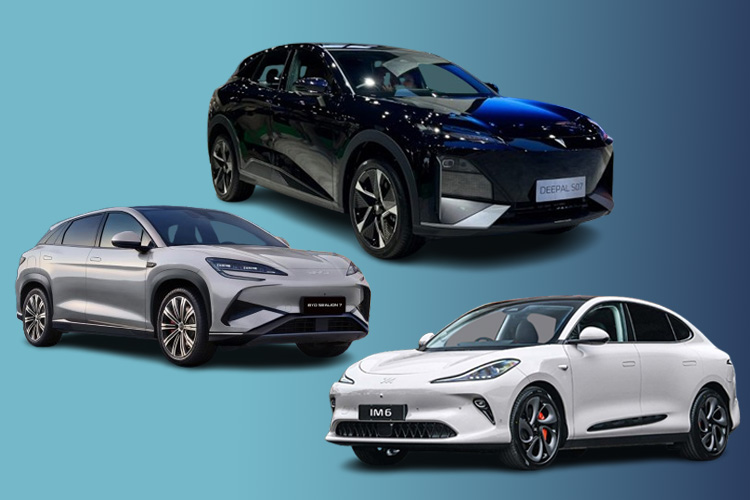
Popular models in this price range include the BYD Sealion 7, MG IM6, Deepal S07, Zeekr X, and Avatr 11. Buyers eyeing these vehicles should expect noticeably higher price tags once the new budget takes effect.